



Adrian Rawlins is an English actor whose career has stretched across film, television and theatre for more than four decades. Born in Stoke-on-Trent in 1958, he made his feature-film debut in the Australian drama Palm Beach before building a varied career in British and international productions. Rawlins is perhaps best known internationally for playing James Potter, Harry Potter’s father, throughout several films in the Harry Potter series. Away from the Wizarding World, his movie work has included acclaimed dramas such as Breaking the Waves, independent productions such as Wilbur Wants to Kill Himself, and major historical films including Darkest Hour and One Life. His filmography also covers horror, science fiction, psychological drama, action and period stories, making Adrian Rawlins movies by year a particularly varied collection of performances.
1980 — Palm Beach
Adrian Rawlins made his feature-film debut in Palm Beach, an Australian drama directed by Albie Thoms. He played David Litvinoff in the film, which follows several interconnected stories unfolding over 48 hours around Sydney’s Palm Beach. The experimental narrative feature was notable for its use of sound and its unconventional approach to storytelling. Although Palm Beach is sometimes dated to 1979 because of its production history, its Australian release was on March 6, 1980, making 1980 the appropriate release year for this chronology.
1985 — Revolution
Rawlins appeared as Bill in Hugh Hudson’s 1985 historical epic Revolution. Starring Al Pacino, Donald Sutherland and Nastassja Kinski, the film follows a New York trapper who becomes unwillingly involved in the American Revolutionary War. Rawlins had a supporting role in the large-scale period drama, which was filmed as an ambitious recreation of the American Revolution. Despite its major cast and production scale, the film was a commercial failure on release and later received a revised director’s cut titled Revolution Revisited.
1987 — With Love to the Person Next to Me
In 1987, Rawlins appeared in the Australian independent film With Love to the Person Next to Me, directed by Brian McKenzie. He is credited as the Man in Bed in the film, a small appearance within a story focused on Wallace, a lonely Melbourne taxi driver who becomes increasingly fascinated by the lives of his passengers. The low-budget feature was shot on 16mm and received festival and critical attention despite its limited commercial success. Its rediscovery and restoration have since helped preserve it as an unusual example of Australian independent cinema from the 1980s.
1988 — Georgia
Rawlins had an early Australian film appearance in Georgia, a 1988 mystery thriller directed by Ben Lewin. The movie stars Judy Davis in dual roles as Nina, a young woman investigating the mysterious death of her mother, and Georgia, the mother herself. Rawlins has a supporting appearance in the production, which uses flashbacks to gradually reveal the circumstances surrounding the death. The film was notable as Lewin’s theatrical feature-directing debut and for its psychological mystery structure.
1990 — Mountains of the Moon
In 1990, Rawlins played Edward in Bob Rafelson’s historical adventure drama Mountains of the Moon. The film dramatizes the 19th-century expeditions of Richard Francis Burton and John Hanning Speke as they search for the source of the Nile River. Patrick Bergin and Iain Glen lead the cast, with Richard E. Grant, Fiona Shaw, Bernard Hill and Omar Sharif also appearing. Rawlins’ supporting role placed him in an expansive period production inspired by real exploration and colonial-era history.
1993 — Flynn
Rawlins appeared as the Tailor in the 1993 Australian biographical drama Flynn. Directed by Frank Howson, the film focuses on the early life of Australian adventurer and writer Errol Flynn. The movie combines biographical drama with a portrait of Flynn’s youth and the experiences that shaped his later public life. Rawlins’ role is comparatively small, but Flynn remains part of his early feature-film work before his major international breakthrough later in the decade.
1996 — Different for Girls
Rawlins played Mike Rendell in Richard Spence’s 1996 British-French comedy-drama Different for Girls. The film stars Steven Mackintosh and Rupert Graves as former school friends whose lives intersect again years later after one of them has transitioned. Rawlins appears in the supporting ensemble alongside Miriam Margolyes, Saskia Reeves and Charlotte Coleman. The film was notable for tackling gender identity, relationships and social attitudes in a way that was relatively unusual for mainstream British cinema of the period.
1996 — Breaking the Waves
Also in 1996, Rawlins appeared as Dr. Richardson in Lars von Trier’s acclaimed drama Breaking the Waves. Emily Watson stars as Bess McNeill, a deeply religious young woman whose life changes dramatically after her husband Jan suffers a catastrophic accident. Stellan Skarsgård, Katrin Cartlidge and Stellan Skarsgård lead the ensemble in the emotionally intense film, which became one of von Trier’s most influential works. Rawlins’ supporting role came during an important early stage of his film career and placed him in an internationally acclaimed production.
1996 — The Inner Sanctuary
Rawlins also appeared as Owen in the Australian drama The Inner Sanctuary. Directed by Chris Clarke, the film centres on accountant Andrew Gordon, whose professional success becomes entangled with a crisis involving ambition, morality and personal consequences. Brett Climo, Gerard Kennedy, Samuel Johnson and Kym Wilson headline the cast. Rawlins’ supporting performance added another Australian feature to a period of his career when he was regularly working across international productions.
2000 — Blood
Rawlins took the leading role of Carl Dyson in Charly Cantor’s 2000 horror film Blood. The story follows a scientist who was involved in genetically engineering a girl whose blood contains a powerful narcotic, creating a disturbing relationship between scientific experimentation, addiction and obsession. Lee Blakemore and Phil Cornwell co-star alongside Rawlins. The dark independent production gave him one of his most substantial film roles before his association with the Harry Potter franchise began.
2001 — My Brother Tom
In My Brother Tom, Rawlins played Jack, a schoolteacher who is connected to the traumatic experiences of the teenage characters at the centre of the story. Directed by Dom Rotheroe, the drama stars Ben Whishaw as Tom and Jenna Harrison as Jessica, two troubled teenagers who create their own private world away from the adults around them. Rawlins’ character is a deeply problematic figure whose actions form an important part of Jessica’s backstory. The film is remembered as an early screen appearance by Whishaw and as a challenging British drama about abuse, isolation and adolescence.
2001 — Harry Potter and the Philosopher’s Stone
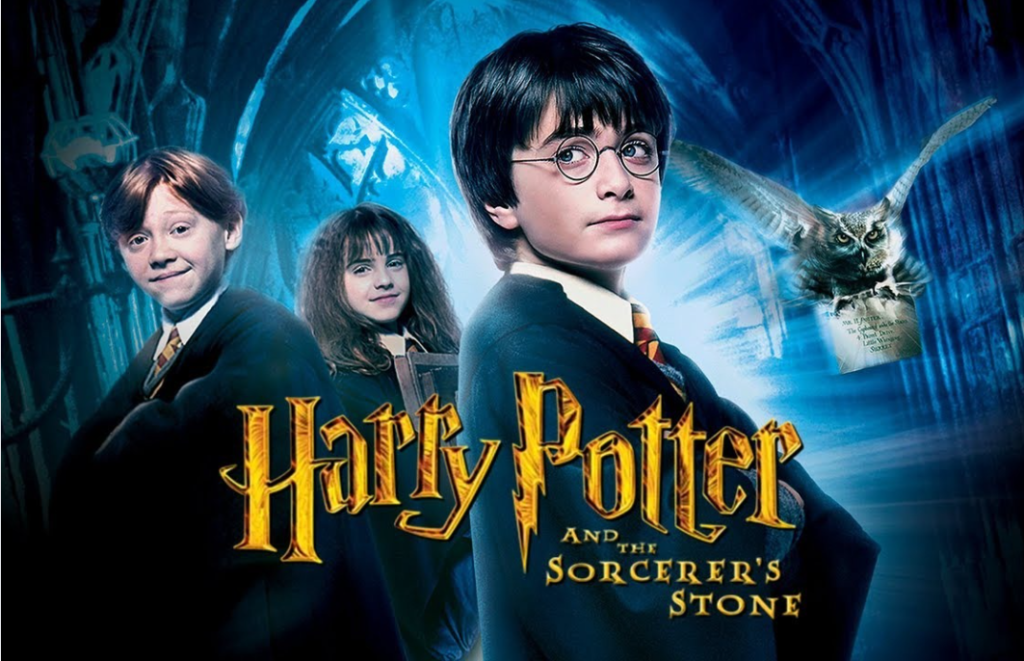
Rawlins entered one of cinema’s most successful fantasy franchises in Harry Potter and the Philosopher’s Stone, playing James Potter, Harry’s late father. Although James appears only briefly, the character is central to Harry’s family history and to the story’s mythology. Daniel Radcliffe leads the film alongside Emma Watson and Rupert Grint, with Chris Columbus directing the first movie in the series. Rawlins’ performance established his connection with James Potter, a role he would reprise across several subsequent Harry Potter films.
2002 — Harry Potter and the Chamber of Secrets
Rawlins was credited again as James Potter in Harry Potter and the Chamber of Secrets. His appearance is a non-standard/reused-footage role, rather than a substantial new performance, as James is seen through material connected to the first film. Directed by Chris Columbus, the fantasy sequel follows Harry’s second year at Hogwarts and introduces the mystery of the Chamber of Secrets. Rawlins’ continued credit reflects the importance of James Potter to Harry’s family history even though the character does not have a major new scene in this installment.
2002 — Wilbur Wants to Kill Himself
Rawlins played Harbour in Lone Scherfig’s Danish-Scottish drama Wilbur Wants to Kill Himself. Harbour is the older brother of the suicidal Wilbur, played by Jamie Sives, and takes responsibility for looking after him after their father’s death. Shirley Henderson, Mads Mikkelsen and Lisa McKinlay also star in the film, which combines dark comedy and drama with an unusually compassionate treatment of depression, grief and family relationships. The movie became one of Rawlins’ best-regarded independent-film performances.
2004 — Harry Potter and the Prisoner of Azkaban
Rawlins was credited as James Potter in Harry Potter and the Prisoner of Azkaban, the third film in the franchise. His involvement is again a non-standard appearance using existing material, rather than a new extended performance as James. Directed by Alfonso Cuarón, the film introduces the escaped prisoner Sirius Black and explores more of Harry’s parents and their connections to Hogwarts. James Potter’s presence remains important to the expanding backstory even though Rawlins does not play the character in a newly filmed central sequence.
2005 — Harry Potter and the Goblet of Fire
Rawlins returned to newly filmed material as James Potter in Harry Potter and the Goblet of Fire. The film, directed by Mike Newell, centres on the Triwizard Tournament and Harry’s increasingly dangerous confrontation with Lord Voldemort. James appears in the story through the Priori Incantatem sequence, where Harry encounters an apparition of his father among Voldemort’s victims. The appearance is brief but significant, making Rawlins’ role an emotional part of one of the franchise’s darker turning points.
2007 — Harry Potter and the Order of the Phoenix
Rawlins was credited as James Potter in Harry Potter and the Order of the Phoenix. The film is directed by David Yates and follows Harry’s struggle against the Ministry of Magic’s refusal to acknowledge Voldemort’s return. James appears primarily through earlier material and memories, while the younger version of the character is portrayed by Robbie Jarvis. Rawlins’ association with the character nevertheless continued, reinforcing James Potter’s importance to Harry’s understanding of his parents and his own past.
2009 — Tales of the Fourth Dimension
Rawlins played William Shakespeare in Tales of the Fourth Dimension, a British anthology production directed by Arif Hussein. The feature blends horror, comedy, drama, fantasy and science-fiction elements across several interconnected or standalone stories. Rawlins is part of an ensemble cast that also includes Richard O’Brien, Caroline Catz and Abigail Thaw. The film was released directly to video in 2009, so it is best identified as a direct-to-video feature rather than a conventional theatrical release.
2010 — Harry Potter and the Deathly Hallows: Part 1
Rawlins reprised James Potter in Harry Potter and the Deathly Hallows: Part 1. The character appears during the film’s opening and later in the sequence involving the Resurrection Stone-related memories, connecting Harry’s final journey with his parents and their sacrifice. Directed by David Yates, the film follows Harry, Ron and Hermione as they leave Hogwarts and attempt to destroy Voldemort’s Horcruxes. Rawlins’ appearance is small but directly tied to the emotional foundations of the series.
2011 — Harry Potter and the Deathly Hallows: Part 2
Rawlins returned for the final Harry Potter film as James Potter. His most notable appearance comes when Harry uses the Resurrection Stone and encounters the spirits of his parents, Sirius Black and Remus Lupin before entering the Forbidden Forest. David Yates directed the conclusion, which brings the Battle of Hogwarts and Harry’s conflict with Voldemort to its climax. The appearance gives Rawlins a particularly memorable moment in the series, as James encourages Harry during his final confrontation with Voldemort.
2011 — Intruders
Rawlins played a Police Inspector in the 2011 psychological horror film Intruders. Directed by Juan Carlos Fresnadillo, the film follows two children in different countries who begin experiencing terrifying encounters with a mysterious faceless figure. Clive Owen, Carice van Houten and Daniel Brühl lead the cast, with the story moving between supernatural horror and psychological mystery. Rawlins’ supporting police role places him within the investigation surrounding the disturbing events.
2012 — The Raven
In The Raven, Rawlins played Doc Clements, a supporting character in James McTeigue’s 2012 mystery thriller. John Cusack stars as Edgar Allan Poe, who becomes involved in an investigation when murders begin taking place that appear to imitate the writer’s own stories. Luke Evans, Alice Eve and Brendan Gleeson also feature in the period crime drama. Rawlins’ role contributes to the film’s atmospheric recreation of 19th-century Baltimore and its fictionalised version of Poe’s final days.
2015 — The Woman in Black: Angel of Death
Rawlins played Dr. Rhodes in The Woman in Black: Angel of Death, the supernatural horror sequel directed by Tom Harper. Set during the Second World War, the story follows a group of children evacuated from London who are taken to the isolated Eel Marsh House, where a sinister supernatural presence awaits them. Phoebe Fox, Jeremy Irvine and Helen McCrory lead the cast alongside Rawlins. The film is especially notable in Rawlins’ career because he had previously played Arthur Kidd in the 1989 television adaptation of The Woman in Black, while this production placed him in a completely different role.
2015 — Bridgend
Rawlins appeared as the Vicar in Jeppe Rønde’s 2015 drama Bridgend. The film stars Hannah Murray and Josh O’Connor as teenagers living in a Welsh community affected by a disturbing series of suicides. Rawlins’ character is part of the community surrounding the young people as the film explores grief, isolation and the effect of collective trauma. Bridgend premiered at the International Film Festival Rotterdam and received recognition at the Tribeca Film Festival, including awards connected to its performances and filmmaking.
2017 — Darkest Hour
Rawlins played Air Chief Marshal Hugh Dowding in Joe Wright’s historical drama Darkest Hour. Gary Oldman stars as Winston Churchill during the crucial early period of the Second World War, with Kristin Scott Thomas, Ben Mendelsohn, Lily James and Stephen Dillane also appearing. Rawlins’ Dowding represents an important military figure during the debate over Britain’s response to the German advance. The film received extensive awards attention, particularly for Oldman’s performance, and provided Rawlins with another role based on a real historical figure.
2020 — Undergods
Rawlins played Dominic in Chino Moya’s dystopian science-fiction drama Undergods. The film weaves together several bleak stories set in a deteriorating European environment, with Rawlins appearing in the final storyline alongside Kate Dickie as a married couple whose lives are disrupted by the return of her former partner. The surreal feature blends science fiction, fantasy and dark drama, and was Moya’s debut feature as a writer-director. Rawlins received attention for the emotionally volatile performance, particularly in the film’s disturbing final chapter.
2021 — Without Remorse
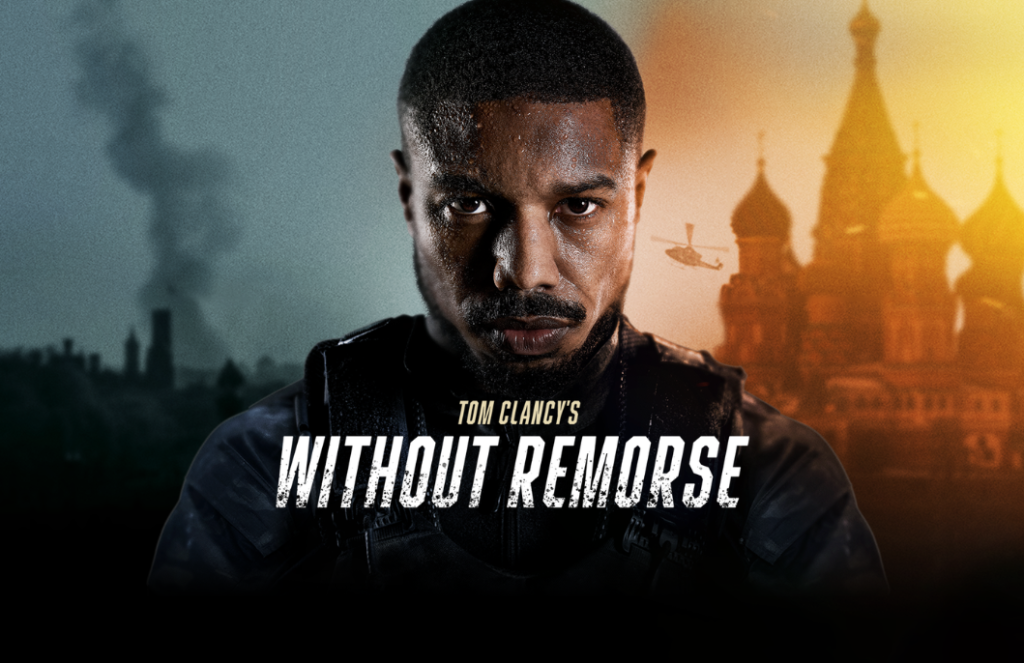
Rawlins appeared as the Chief of Staff in Stefano Sollima’s action thriller Without Remorse. Michael B. Jordan stars as John Kelly, a Navy SEAL seeking revenge after the murder of his pregnant wife while uncovering a wider international conspiracy. Jamie Bell, Jodie Turner-Smith and Guy Pearce also feature in the Tom Clancy adaptation. Rawlins’ appearance is a brief supporting/uncredited role, making it a smaller contribution than his more substantial dramatic performances.
2021 — The Colour Room
Rawlins played John in The Colour Room, a British period drama directed by Claire McCarthy. The film stars Phoebe Dynevor as Clarice Cliff, the pioneering ceramic artist who challenged conventions in the pottery industry during the 20th century. Rawlins appears in the ensemble alongside David Morrissey and other performers portraying figures connected with the ceramics industry. The film was released through Sky Cinema and marked another period piece in Rawlins’ later career.
2022 — Living
Rawlins played Mr. Middleton in Living, Oliver Hermanus’ acclaimed British drama inspired by Akira Kurosawa’s 1952 film Ikiru. Bill Nighy stars as a reserved civil servant who reassesses his life after receiving a terminal medical diagnosis, while Aimee Lou Wood and Alex Sharp play younger colleagues who influence his final months. Rawlins’ Middleton is part of the civil-service world surrounding Nighy’s character. The film received strong critical attention and earned Nighy an Academy Award nomination for Best Actor.
2023 — One Life
Rawlins played Geoff in One Life, the 2023 biographical drama directed by James Hawes. Anthony Hopkins stars as Nicholas Winton, the British humanitarian who helped rescue hundreds of Jewish children from Nazi-occupied Czechoslovakia before the Second World War. The film moves between Winton’s later life and the events surrounding his extraordinary rescue operation, with Helena Bonham Carter and Johnny Flynn also appearing. Rawlins’ supporting performance contributes to a historical drama focused on courage, memory and humanitarian action.
Conclusion
Adrian Rawlins’ movie career spans more than four decades, beginning with the Australian feature Palm Beach and continuing through acclaimed dramas, independent films, horror productions, historical stories and major franchise movies. His portrayal of James Potter made him internationally recognizable through the Harry Potter series, while films such as Breaking the Waves, Wilbur Wants to Kill Himself, Bridgend, Darkest Hour, Undergods, Living and One Life demonstrate the wider range of his work. Looking at Adrian Rawlins movies by year shows a performer who has consistently moved between intimate character dramas and large-scale productions. His filmography remains defined by versatility, strong supporting performances and a long-running presence across British and international cinema.
