


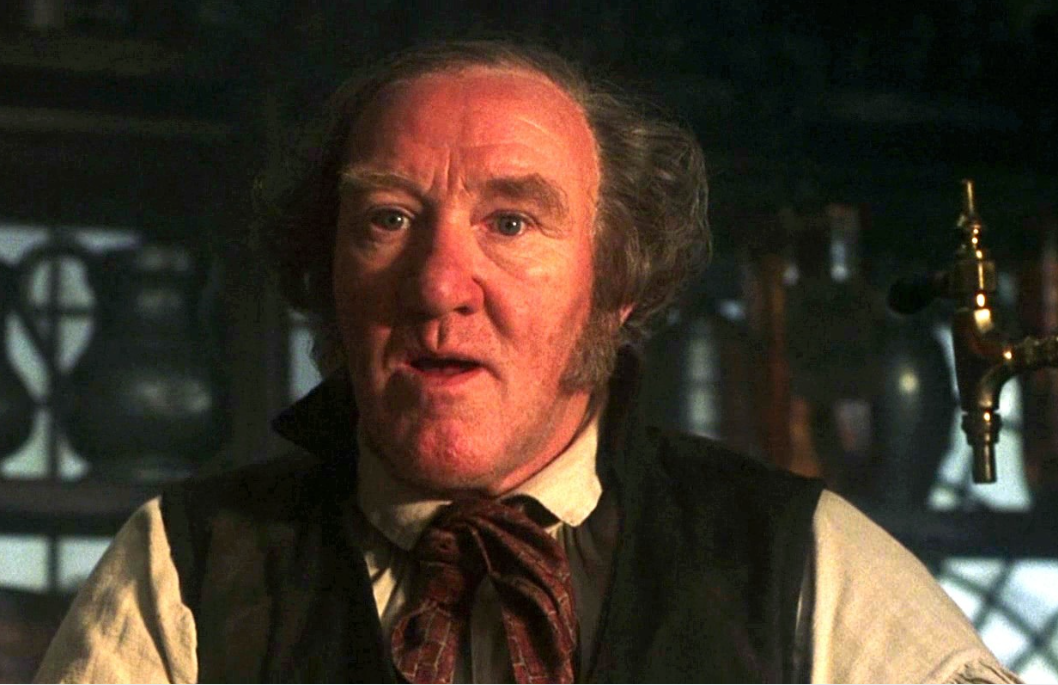
Derek Deadman was an English character actor known for his memorable supporting performances in British films, television comedies and internationally recognised productions. Born in Fulham, London, on 11 March 1940, he built a career playing distinctive characters, often bringing humour and personality to relatively small roles. His film appearances ranged from medieval fantasy and science-fiction comedy to crime dramas, action adventures and family entertainment. Among his best-known screen credits are Time Bandits, Brazil, Robin Hood: Prince of Thieves and Harry Potter and the Philosopher’s Stone. Although he rarely occupied the leading role, his work connected him with several influential filmmakers and popular film franchises. This chronological guide to Derek Deadman movies by year covers his documented released film appearances, including lesser-known productions and roles that received limited screen credit.
1972 — The Canterbury Tales
Derek Deadman played the Pardoner in The Canterbury Tales, Pier Paolo Pasolini’s 1972 adaptation of Geoffrey Chaucer’s medieval stories. The Italian film combines historical drama, comedy and provocative storytelling as it brings several of Chaucer’s tales to the screen. Deadman’s appearance belongs to an early stage of his film career, when he was establishing himself as a character actor. The production became part of Pasolini’s celebrated Trilogy of Life.
1972 — The Darwin Adventure
In The Darwin Adventure, Deadman appeared as Man #2 in a biographical adventure drama centred on Charles Darwin and the experiences that influenced his scientific thinking. The film explores Darwin’s travels and the observations that contributed to his groundbreaking ideas about evolution. Although Deadman’s part was small, the production represents another early feature-film credit in his career. It helped establish the pattern of supporting roles that would continue throughout his filmography.
1974 — Dr. Watson and the Darkwater Hall Mystery
Deadman played Haddocks in Dr. Watson and the Darkwater Hall Mystery, a British television mystery production rather than a conventional theatrical feature. The story draws on the tradition of Sherlock Holmes-inspired detective fiction, with Dr. Watson connected to an investigation involving a country-house mystery. This early screen credit is worth noting for completeness, although it should be distinguished from his cinema releases. Its television format makes it a non-standard entry in a movie-by-year filmography.
1976 — Queen Kong
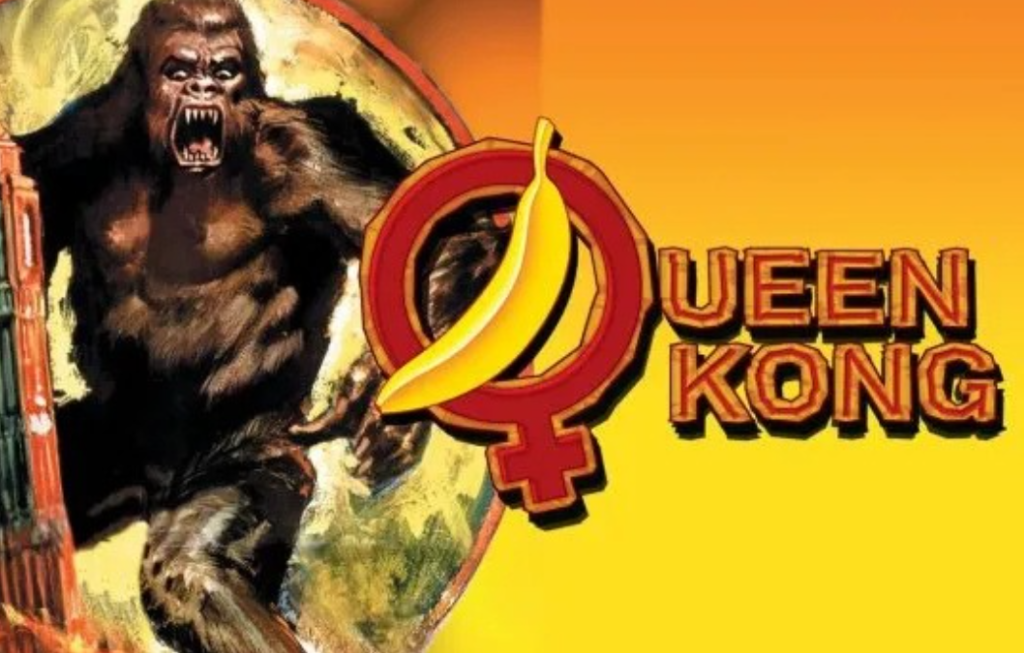
Deadman appeared as a Cockney in Queen Kong, a British comedy that parodies the giant-ape adventure tradition associated with King Kong. Directed by Frank Agrama, the film reverses elements of the familiar monster-movie premise by featuring a female giant ape. Deadman’s contribution was uncredited, so his appearance is less prominent in the film’s official cast listings. The production is nevertheless a documented part of his early film work.
1977 — Jabberwocky
In Terry Gilliam’s Jabberwocky, Deadman played an apprentice armourer. Released in 1977, this dark fantasy comedy follows Dennis Cooper, played by Michael Palin, as he becomes caught up in a dangerous world of superstition, political ambition and a monstrous creature. The film also features Harry H. Corbett, John Le Mesurier and other familiar British performers. Its deliberately grim medieval setting and absurd humour made it an early example of Gilliam’s distinctive filmmaking style.
1977 — The Glitterball
Deadman appeared as an ice-cream man in The Glitterball, a British science-fiction adventure made for younger audiences. The story follows two schoolboys who encounter a small extraterrestrial object that can move and respond to its surroundings. The production blends everyday British settings with imaginative science-fiction elements. Deadman’s role was uncredited, but the film remains a relevant entry in his early screen career.
1978 — The Big Sleep
Deadman played a customer in a bookshop in The Big Sleep, the 1978 film directed by Michael Winner and based on Raymond Chandler’s celebrated detective novel. Robert Mitchum stars as private investigator Philip Marlowe, who becomes involved in a complicated case involving blackmail, family secrets and murder. The supporting cast includes Sarah Miles, Richard Boone and Candy Clark. Deadman’s small appearance places him within a British-produced adaptation of one of crime fiction’s best-known stories.
1979 — Porridge
Deadman played Cooper in the film version of Porridge, released in 1979 and adapted from the popular British prison sitcom. Directed by Dick Clement, the comedy stars Ronnie Barker as Norman Stanley Fletcher, a habitual offender serving time in a British prison. Richard Beckinsale also appears as his cellmate, Lennie Godber, while the story expands the characters and humour familiar to television audiences. This film is also commonly known by its production title, Doing Time, and should not be confused with the television series.
1979 — The Knowledge
Deadman appeared as a man in a dole queue in The Knowledge, a British comedy-drama about people training to become London taxi drivers. Directed by Bob Brooks, the film centres on the demanding process of memorising London’s streets and navigating the city’s complicated geography. The story offers a grounded portrait of working-class ambition and urban life. Deadman’s brief appearance fits the film’s broader picture of the people and places surrounding its aspiring cab drivers.
1979 — A Nightingale Sang in Berkeley Square
In A Nightingale Sang in Berkeley Square, Deadman played Nobby Flowers. This British crime comedy follows a group of criminals involved in a plan that becomes complicated by personal relationships and competing interests. The film features a mix of humour, criminal schemes and character-driven situations, reflecting the British comedy-crime style of the period. Deadman’s supporting role added another credit to his growing collection of appearances in British productions.
1980 — The Taming of the Shrew
Deadman played Nicholas in the 1980 television adaptation of William Shakespeare’s The Taming of the Shrew. Directed by Jonathan Miller for the BBC Television Shakespeare project, the production presents Shakespeare’s comedy about courtship, marriage and the relationship between Katherine and Petruchio. The cast includes John Cleese as Petruchio and Sarah Badel as Katherine. Although this was a television production rather than a theatrical film, it is a notable example of Deadman appearing in a major literary adaptation.
1980 — The Apple
Deadman played Bulldog in The Apple, a musical science-fiction film directed by Menahem Golan. Set in a futuristic entertainment industry, the film follows two young musicians who become involved with a powerful organisation controlling the music business. Its mixture of pop music, fantasy, satire and elaborate visual sequences gives it a distinctive place among early-1980s musical films. Deadman’s role was a supporting appearance in a production that later attracted a cult following.
1981 — Timon of Athens
Deadman played the Second Bandit in the television film Timon of Athens, based on Shakespeare’s tragedy about a wealthy Athenian whose generosity is repaid with betrayal. The production adapts the play’s themes of friendship, wealth, hypocrisy and disillusionment for the screen. As a supporting performer, Deadman was part of an ensemble bringing Shakespeare’s dramatic world to television. This entry is included for filmography completeness, but it should be classified as a television adaptation rather than a conventional cinema release.
1981 — Time Bandits
Deadman played Robert in Time Bandits, Terry Gilliam’s imaginative fantasy adventure released in 1981. The story follows a young boy who travels through history with a group of diminutive thieves after they steal a map showing holes in the fabric of time. The film features Sean Connery, John Cleese, Ian Holm, David Warner and Michael Palin, combining historical settings with surreal comedy. It remains one of Deadman’s most recognisable film credits and a standout title in Gilliam’s fantasy work.
1982 — Funny Money
Deadman appeared as a taxi driver in Funny Money, a British comedy-crime production also associated with the title Funny Money – Deadly Credit Cards in some listings. The story revolves around money, deception and the complications that arise when people become caught up in questionable financial schemes. Deadman’s role is small, but the credit is part of his documented screen work during the early 1980s. Release-year listings vary across databases, so 1982 is used here in line with filmography records that identify the production with that year.
1982 — The Scarlet Pimpernel
Deadman played a handler in The Scarlet Pimpernel, a television adaptation of Baroness Orczy’s adventure story. The story follows an English aristocrat who secretly rescues people from the guillotine during the French Revolution while hiding his identity behind an apparently frivolous public persona. The adaptation draws on the novel’s combination of historical drama, disguise and daring rescues. As with several of Deadman’s period-drama credits, this production belongs to television rather than the standard theatrical-feature category.
1983 — The Beggar’s Opera
In The Beggar’s Opera, Deadman played the Drawer. The production adapts John Gay’s satirical stage work, which uses criminals, corruption and social hypocrisy to poke fun at the politics and manners of its time. Its theatrical origins give the story a different character from Deadman’s fantasy and mainstream comedy appearances. The credit is included as a screen adaptation, although listings generally classify it as a television production rather than a regular cinema feature.
1983 — Never Say Never Again
Deadman played a porter at Shrublands in Never Say Never Again, the 1983 spy film starring Sean Connery as James Bond. Directed by Irvin Kershner, the story follows Bond as he investigates the theft of nuclear weapons and confronts the criminal organisation SPECTRE. The cast also includes Klaus Maria Brandauer, Barbara Carrera, Max von Sydow and Kim Basinger. Although Deadman appears only briefly, the film is a significant credit because of its connection to the internationally famous James Bond character.
1983 — Bullshot
Deadman played Reg Erskine in Bullshot, a British comedy adventure based on the stage play Bullshot Crummond. The film parodies the heroic detective and adventure stories popular in the early twentieth century, following an exaggeratedly confident English hero through a series of dangerous and ridiculous situations. Alan Shearman stars in the title role, bringing the production’s theatrical origins to the screen. Deadman’s supporting performance contributes to the broad comic style of this spoof.
1984 — Amy
Deadman appeared as a man in a cinema in Amy, a television drama directed by Nadia Tass. The production is associated with a story of personal relationships and emotional challenges, rather than the large-scale fantasy and adventure films that would become some of Deadman’s best-known credits. His role was a brief supporting appearance. The title is included here as a screen-filmography entry, but its television classification should be kept in mind when distinguishing cinema releases from made-for-television productions.
1985 — Brazil
Deadman played Bill, an employee of the Department of Works, in Terry Gilliam’s Brazil. The film follows Sam Lowry, played by Jonathan Pryce, a government worker trapped in a bureaucratic society where administrative mistakes can have devastating consequences. Robert De Niro, Katherine Helmond, Ian Holm and Michael Palin also appear in this darkly satirical vision of a surveillance-driven world. Widely regarded as one of Gilliam’s major films, Brazil is among the most notable productions in Deadman’s career.
1985 — Morons from Outer Space
Deadman appeared as a man in a car in Morons from Outer Space, a British science-fiction comedy directed by Mike Hodges. The film follows four aliens who accidentally arrive on Earth and become celebrities despite their limited understanding of human life. The cast includes Mel Smith, Griff Rhys Jones, Joanne Pearce and Jimmy Nail. Its satire of media culture and public fascination with celebrity gives Deadman’s appearance a place within an offbeat comedy from the decade.
1985 — National Lampoon’s European Vacation
Deadman played a taxi driver in National Lampoon’s European Vacation, the comedy sequel starring Chevy Chase and Beverly D’Angelo as Clark and Ellen Griswold. Directed by Amy Heckerling, the film follows the Griswold family on a European holiday that quickly becomes a succession of mishaps. Its humour comes from cultural misunderstandings, travel disasters and Clark’s increasingly desperate attempts to keep the trip under control. Deadman’s brief role connects his British screen work with a major American comedy franchise.
1985 — Lost in London
In Lost in London, Deadman played a deli stall owner. This British television comedy-drama is set against the backdrop of London and follows characters navigating the complications of city life. The production is sometimes listed alongside theatrical films in actor databases, but it is generally identified as a television film. It remains relevant to a comprehensive account of Deadman’s released screen work, even though it does not belong to the conventional cinema-feature category.
1987 — The Sign of Four
Deadman played Williams in The Sign of Four, an adaptation of Arthur Conan Doyle’s Sherlock Holmes mystery. The story centres on Holmes and Dr. Watson as they investigate a complicated case involving a missing treasure, a mysterious legacy and a series of crimes. This screen version belongs to the long tradition of adaptations featuring the famous detective. Deadman’s supporting appearance adds a literary mystery to his filmography, although the production is also catalogued as a television film in some databases.
1991 — Benny Hill’s World Tour: New York!
Deadman appeared in various roles in Benny Hill’s World Tour: New York!, a comedy special associated with British entertainer Benny Hill. Rather than being a conventional narrative feature, the production presents sketch-based comedy and performances built around Hill’s familiar screen persona. Deadman’s involvement reflects his experience in British television comedy and ensemble performance. Because its format differs from a standard theatrical film, this title is best treated as a comedy-special appearance.
1991 — Robin Hood: Prince of Thieves
Deadman played Kneelock in Robin Hood: Prince of Thieves, the 1991 historical adventure directed by Kevin Reynolds. Kevin Costner stars as Robin Hood, an English nobleman who returns from the Crusades and becomes an outlaw fighting the oppressive Sheriff of Nottingham. Morgan Freeman, Mary Elizabeth Mastrantonio, Christian Slater and Alan Rickman appear in supporting roles, with Rickman’s performance as the Sheriff among the film’s most memorable elements. The film became a major international hit and remains one of Deadman’s best-known large-scale adventure credits.
2000 — Honest
Deadman played a night watchman in Honest, a British crime comedy released in 2000. Set in the late 1960s, the film follows three sisters who become involved in a series of robberies and criminal escapades in London. The cast includes Nicole and Natalie Appleton, Melanie Blatt, Christopher Eccleston and David A. Stewart. Although the film received a mixed response, it marks Deadman’s return to feature-film credits after a lengthy gap in his documented cinema appearances.
2001 — Crush
Deadman appeared as the Little Crematorium Man in Crush, a British romantic comedy directed by John McKay. The film centres on a group of friends whose relationships, romantic interests and personal decisions become increasingly complicated. Andie MacDowell, Imelda Staunton, Anna Chancellor and Kenny Doughty lead the ensemble cast. Deadman’s supporting role is brief, but the film is part of his final period of widely documented British feature-film work.
2001 — Harry Potter and the Philosopher’s Stone
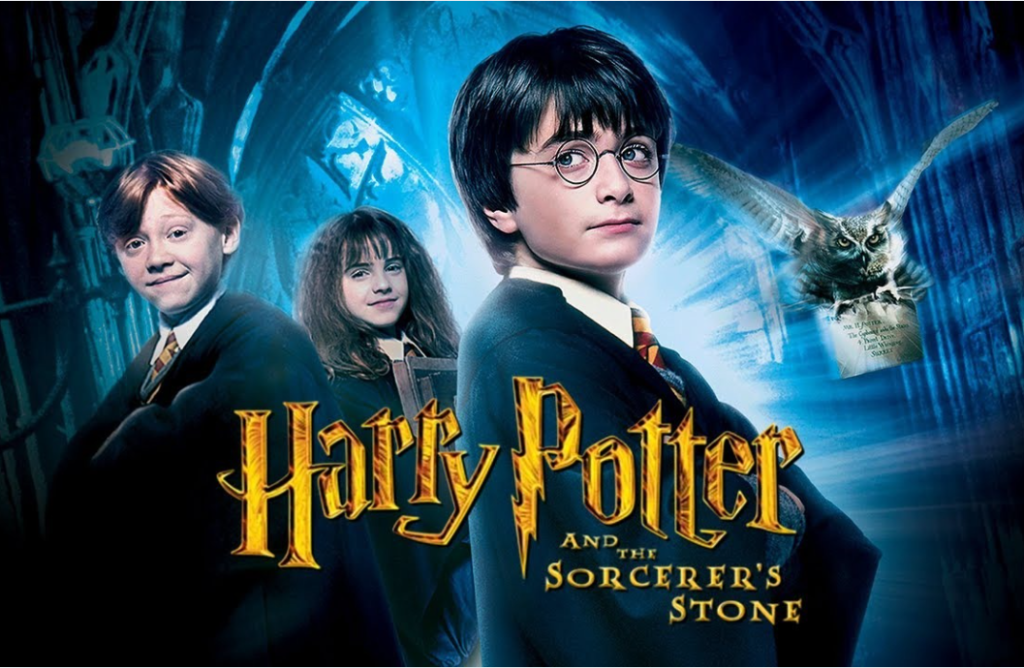
Deadman played Tom, the bartender at the Leaky Cauldron, in Harry Potter and the Philosopher’s Stone, released in 2001. Directed by Chris Columbus and adapted from J. K. Rowling’s novel, the film introduces Harry Potter as he discovers his magical heritage and begins studying at Hogwarts School of Witchcraft and Wizardry. Daniel Radcliffe, Rupert Grint, Emma Watson, Richard Harris and Robbie Coltrane feature in the principal cast. Tom’s brief appearance is memorable because the Leaky Cauldron serves as an important gateway between the ordinary world and the magical community.
2010 — A Goldfish of the Flame
Deadman is credited as CIA Agent Flynn in A Goldfish of the Flame, an action-drama film released in 2010. Written and directed by Arthur J. Mangano, the story follows a former CIA agent who comes out of retirement to protect his country from a dangerous political threat. The production combines espionage themes with action and dramatic conflict. It is generally listed as Deadman’s final film role, making it the latest known released feature-film credit in his career.
Conclusion
Derek Deadman’s film career spanned nearly four decades, from early appearances in British and European productions to supporting roles in major international films. His work in Time Bandits, Brazil, Never Say Never Again, Robin Hood: Prince of Thieves and Harry Potter and the Philosopher’s Stone demonstrates the range of productions in which he appeared. Although he was primarily a character actor rather than a leading star, his performances formed part of many recognisable screen stories. This chronological overview of Derek Deadman movies by year also highlights the smaller credits and television films that help provide a fuller picture of his screen career.
