


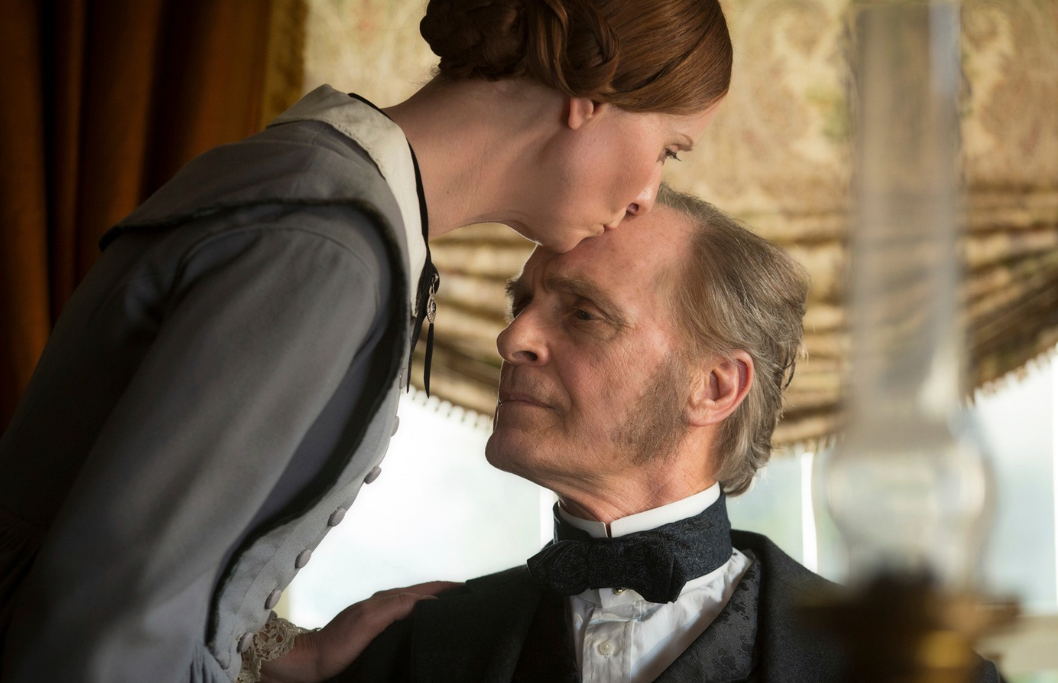
Terence Bayler was a New Zealand actor whose career spanned several decades across film, television, and theatre. Known for his distinctive screen presence and understated performances, he appeared in a variety of British and international productions, including historical dramas, comedies, and fantasy films. Although he was not always the leading actor, Bayler built a memorable body of work through supporting roles that contributed to the stories around him. He is particularly familiar to many modern audiences for his appearance in the Harry Potter film series, as well as his earlier work in British cinema. His career included collaborations with notable filmmakers and appearances in productions that ranged from classic adventure stories to contemporary comedies. Looking at Terence Bayler movies by year offers a chronological view of his development as a screen performer and the films that shaped his career.
1952 — Broken Barrier
Broken Barrier is a New Zealand drama film featuring Terence Bayler as Tom Sullivan. Directed by John O’Shea, the film explores social divisions and relationships in New Zealand, particularly the tensions surrounding Māori and European communities. It is an important early entry in Bayler’s filmography and reflects the development of New Zealand filmmaking during the early 1950s. The production helped establish his screen career before he moved on to more extensive work in British film and television.
1956 — The Battle of the River Plate
Terence Bayler appeared in the British war film The Battle of the River Plate, also known as Pursuit of the Graf Spee. Directed by Michael Powell and Emeric Pressburger, the film dramatizes the naval pursuit of the German pocket battleship Admiral Graf Spee during the Second World War. Bayler played a stoker aboard HMS Achilles in an uncredited role. The film is notable for its naval action sequences and its portrayal of a significant early wartime engagement.
1963 — The Hi-Jackers
In The Hi-Jackers, Bayler played a constable in a British crime thriller directed by Jim O’Connolly. The story centres on criminal activity involving hijacked goods and the efforts to investigate the people behind the operation. The film combines crime drama with suspense, reflecting the British thriller productions popular during the early 1960s. Although Bayler had a supporting role, the film represents one of his early appearances in British feature cinema.
1971 — Macbeth
Macbeth, directed by Roman Polanski, features Terence Bayler as Macduff in a film adaptation of William Shakespeare’s tragedy. The story follows Macbeth, a Scottish nobleman whose ambition for power leads him into murder, political violence and eventual downfall. Jon Finch plays Macbeth, while Francesca Annis portrays Lady Macbeth. Bayler’s role as Macduff places him within the central conflict of the film, which is remembered for its dark atmosphere, graphic violence and uncompromising interpretation of Shakespeare’s play.
1979 — Monty Python’s Life of Brian
In Monty Python’s Life of Brian, Bayler plays Gregory in the British satirical comedy directed by Terry Jones. The film follows Brian Cohen, a man born near the time of Jesus who is repeatedly mistaken for a religious figure by people seeking a messiah. Featuring members of the Monty Python comedy troupe, including Graham Chapman, John Cleese, Terry Gilliam, Eric Idle, Michael Palin and Terry Jones, the production satirises religious dogma, political movements and mass conformity. It became one of the troupe’s best-known films and remains a significant work in British comedy.
1981 — Time Bandits
Terence Bayler appeared as Lucien in Time Bandits, a fantasy adventure film directed by Terry Gilliam. The story follows Kevin, a young boy who travels through different periods of history with a group of time-travelling dwarfs after they acquire a map showing holes in the fabric of time. The film features an ensemble cast that includes Sean Connery, John Cleese, Shelley Duvall and David Warner. Its combination of imaginative fantasy, historical figures and dark humour made it a distinctive entry in Gilliam’s filmmaking career.
1981 — Pictures
Bayler also appeared in Pictures, a New Zealand film in which he played John Rochfort. This production is a less widely known entry in his screen career, especially compared with his later international projects. Its inclusion is important when examining the range of his film appearances beyond the better-known British productions. Bayler’s participation also reflects his continuing connection to New Zealand screen work despite spending much of his professional career in the United Kingdom.
1985 — Brazil
In Terry Gilliam’s Brazil, Terence Bayler appears as the television commercial presenter. This dystopian science-fiction film follows Sam Lowry, a low-level bureaucrat living in a nightmarish society dominated by inefficient administration, surveillance and oppressive bureaucracy. Jonathan Pryce leads the cast, alongside Robert De Niro, Kim Greist, Katherine Helmond and Ian Holm. Bayler’s supporting appearance forms part of the film’s satirical portrayal of a society consumed by advertising, official propaganda and technological absurdity. The film later earned a strong reputation as an influential work of dystopian cinema.
1987 — Crystalstone
Crystalstone, also associated with the title The Magic Crystal, is a fantasy adventure film featuring Bayler as a policeman. The story centres on a young boy and a mysterious crystal, bringing elements of adventure and fantasy into a family-oriented narrative. Although the film is less prominent in discussions of Bayler’s career, it demonstrates his participation in productions aimed at younger audiences. His role is a supporting one within a story driven by its central characters and supernatural elements.
1993 — The Remains of the Day
Terence Bayler played Trimmer in The Remains of the Day, the acclaimed period drama directed by James Ivory. Adapted from Kazuo Ishiguro’s novel, the film follows Stevens, a devoted English butler whose loyalty to his employer causes him to reflect on missed opportunities and unresolved personal feelings. Anthony Hopkins stars as Stevens, with Emma Thompson, James Fox and Christopher Reeve among the principal cast. The film received widespread critical acclaim and multiple Academy Award nominations, making it one of the most distinguished productions in Bayler’s filmography.
2001 — Harry Potter and the Philosopher’s Stone
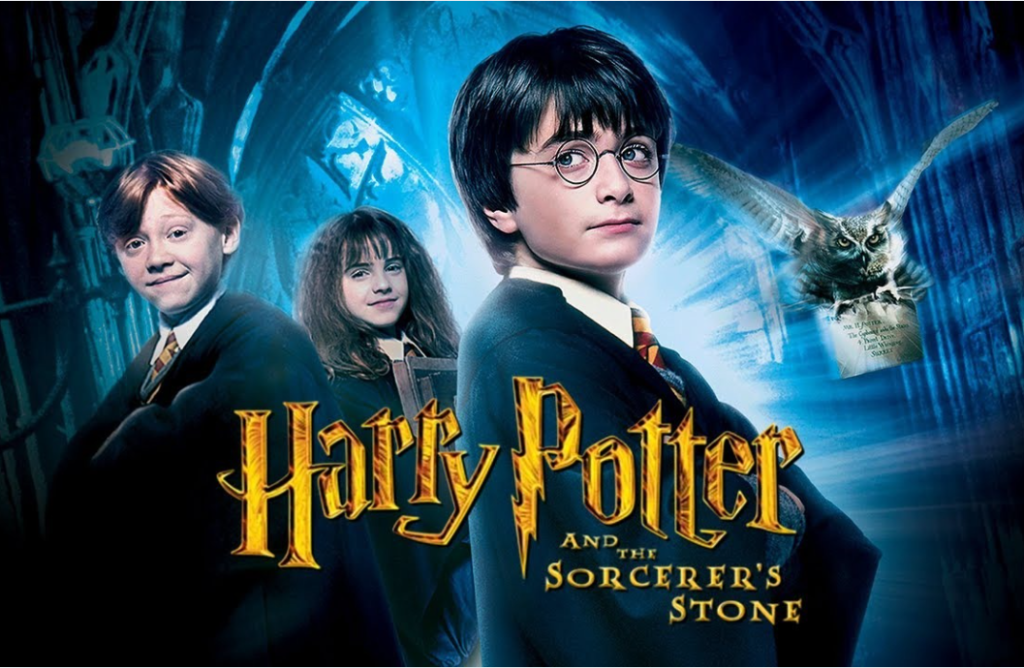
One of Terence Bayler’s most recognisable later screen appearances came in Harry Potter and the Philosopher’s Stone, released in the United States as Harry Potter and the Sorcerer’s Stone. Directed by Chris Columbus, the fantasy film introduces Harry Potter as he discovers his magical heritage and begins attending Hogwarts School of Witchcraft and Wizardry. Bayler plays the Bloody Baron, the ghost associated with Slytherin House, in a brief supporting appearance. Starring Daniel Radcliffe, Rupert Grint and Emma Watson, the film launched a hugely successful cinematic franchise and introduced Bayler’s performance to a new generation of viewers.
2008 — Chemical Wedding
Terence Bayler’s later feature-film credits include Chemical Wedding, a British horror film directed by Julian Doyle and written by Bruce Dickinson and Julian Doyle. The story follows a university professor whose experiment leads to the apparent reincarnation of the occultist Aleister Crowley through a virtual-reality project. Simon Callow stars as Professor Oliver Haddo, with Bayler appearing as Professor Brent. The film blends supernatural horror with occult themes, marking one of the final feature-film appearances in Bayler’s career.
Conclusion
Terence Bayler’s film career covered more than five decades, beginning with the New Zealand drama Broken Barrier in 1952 and continuing through British cinema, fantasy adventures, science-fiction satire and period drama. His performances in Macbeth, Monty Python’s Life of Brian, Time Bandits and The Remains of the Day demonstrate his versatility as a supporting actor. His appearance as the Bloody Baron in Harry Potter and the Philosopher’s Stone remains particularly memorable for modern audiences. Reviewing Terence Bayler movies by year reveals a career built on varied roles, collaborations with distinctive filmmakers and contributions to several enduring films.
