


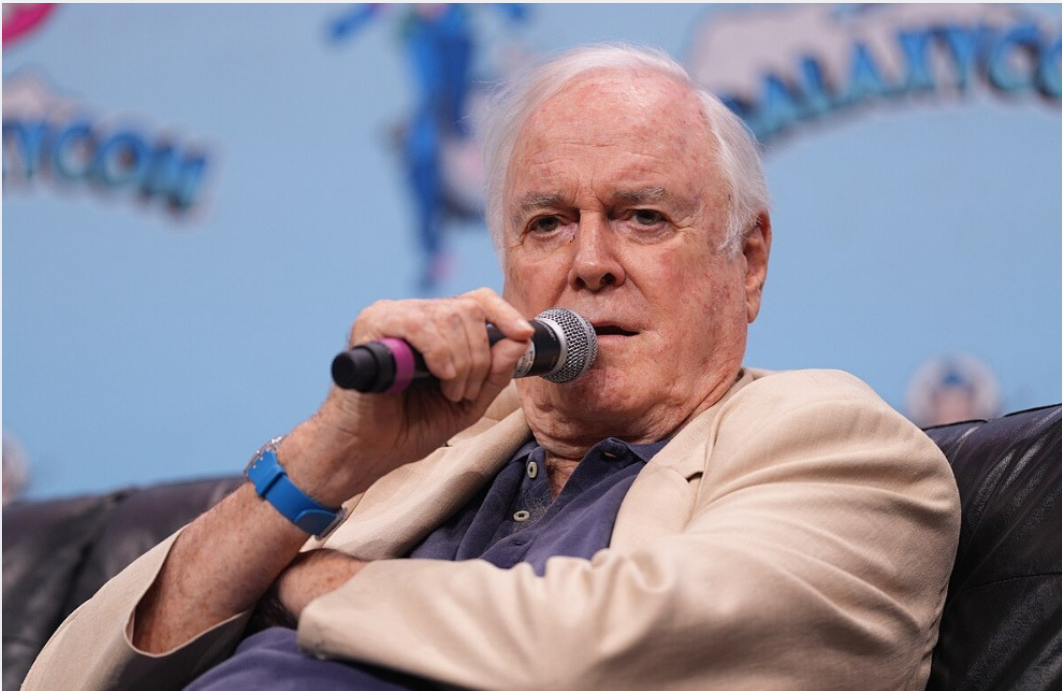
John Cleese is one of Britain’s most recognizable comedy actors, writers, and performers, best known for his work with Monty Python and for creating the classic sitcom Fawlty Towers. His film career began in the late 1960s, initially with small appearances in British comedies before expanding into leading roles, ensemble films, animation, fantasy, and major Hollywood productions. Cleese became particularly associated with sharp, eccentric characters, while his screen work also demonstrated a strong ability to move between broad comedy and supporting dramatic roles. His credits include Monty Python and the Holy Grail, A Fish Called Wanda, Fierce Creatures, the Harry Potter films, James Bond movies, and the Shrek franchise. Over the decades, he has also provided voices for numerous animated features and continued appearing in films well into his eighties. This chronological guide to John Cleese movies by year covers his released feature-film appearances, including notable voice roles and other non-standard film appearances where relevant.
1968 — Interlude
Interlude was one of John Cleese’s earliest film appearances, directed by Kevin Billington and released in 1968. Cleese appears as a television publicist in this British romantic drama starring Oskar Werner, June Ritchie, and Robert Stephens. The film centers on a complicated romantic relationship between a young British woman and a married German conductor. Although Cleese’s part is small, the film marks an important starting point in his professional movie career.
1968 — The Bliss of Mrs. Blossom
Joseph McGrath’s The Bliss of Mrs. Blossom is a British comedy starring Shirley MacLaine, James Booth, and Richard Attenborough. Cleese has a small role as a post office clerk in the story about a bored housewife whose life changes after she discovers an unusual secret involving her husband. The film reflects the type of British comedy environment in which Cleese developed his early screen style. It was one of his first credited feature-film appearances.
1969 — The Magic Christian
In The Magic Christian, Cleese plays a director at Sotheby’s in a satirical comedy directed by Joseph McGrath. The film stars Peter Sellers and Ringo Starr and adapts Terry Southern’s novel about a wealthy man who adopts an eccentric young man and exposes society’s obsession with money. Cleese’s appearance is brief but fits the film’s deliberately absurd approach to British institutions and social behavior. The movie also connected him with several performers and writers who were part of Britain’s emerging comedy scene.
1969 — The Best House in London
Philip Saville’s The Best House in London is a period comedy set around the development of a luxurious Victorian brothel. Cleese appears as Jones in an uncredited role alongside David Hemmings, Joanna Pettet, George Sanders, and Warren Mitchell. His appearance is minor, but the film is part of his earliest feature-film work before Monty Python became his defining screen association. The performance also demonstrates how frequently Cleese took small supporting parts during the beginning of his career.
1970 — The Rise and Rise of Michael Rimmer
Kevin Billington’s political satire The Rise and Rise of Michael Rimmer stars Peter Cook as an ambitious man who manipulates his way through British politics. Cleese plays Pumer and also contributed to the screenplay. The film uses dark comedy to satirize advertising, politics, elections, and the pursuit of power. It is notable because Cleese was already working as both an actor and writer, a combination that would become central to his later career.
1971 — And Now for Something Completely Different
And Now for Something Completely Different transferred many classic Monty Python’s Flying Circus sketches to the big screen. Cleese plays numerous characters, including Mr. Praline, the Hungarian, a policeman, and the Defence Against Fresh Fruit instructor. Directed by Ian MacNaughton, the film also features Graham Chapman, Terry Gilliam, Eric Idle, Terry Jones, and Michael Palin. It was Cleese’s first major film collaboration with the full Monty Python team and helped establish the troupe’s cinematic identity.
1971 — The Statue
Rod Amateau’s comedy The Statue stars Cleese as Harry, with the story built around a mysterious statue and the comic consequences surrounding it. The film was written and directed in a broad satirical style and gave Cleese a more conventional individual character compared with his many sketch-based roles. It arrived during the early period of his rising profile in British comedy. The movie remains one of his lesser-known early feature credits.
1973 — The Love Ban
The Love Ban, also known as Anyone for Sex?, is a British comedy in which Cleese plays a contraceptives lecturer. The film belongs to the risqué comedy tradition of the period and was made before Cleese became an international movie star. His role is supporting rather than central, but it forms part of the relatively small group of feature films he made between the early Monty Python productions. It is therefore an important entry in a complete John Cleese film chronology.
1975 — Monty Python and the Holy Grail
Terry Jones and Terry Gilliam’s Monty Python and the Holy Grail became one of the most influential British comedy films of the 1970s. Cleese plays several characters, most famously the Black Knight, Tim the Enchanter, Sir Lancelot, and the French Taunter. The medieval parody combines surreal sketches, deliberately low-budget filmmaking, and absurdist humor with a loose quest narrative involving King Arthur. Its enduring popularity made it one of the defining films of Cleese’s career and of Monty Python’s legacy.
1979 — Monty Python’s Life of Brian
Monty Python’s Life of Brian was directed by Terry Jones and follows Brian, a reluctant figure repeatedly mistaken for a religious leader in ancient Judea. Cleese plays multiple parts, including Reg, a Jewish official, the First Centurion, Deadly Dirk, and a wise man. The film’s religious satire generated controversy but became one of Monty Python’s most acclaimed and influential productions. Cleese was also part of the writing team, reinforcing his dual role as performer and comedy writer.
1981 — The Great Muppet Caper
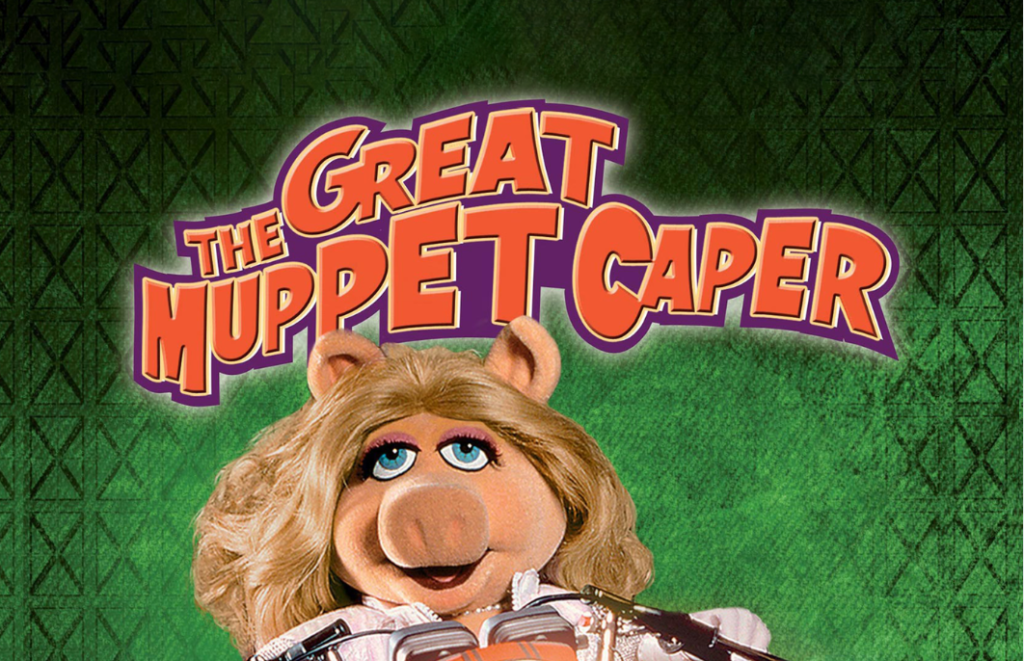
In The Great Muppet Caper, Cleese makes a cameo as Neville in the Jim Henson comedy adventure. The film stars the Muppets alongside Charles Grodin, Diana Rigg, and John Cleese’s fellow British comedy performers. Directed by Jim Henson, it follows Kermit, Fozzie, and Gonzo as they investigate a jewel theft in London. Cleese’s appearance is a cameo rather than a conventional leading role, making it a notable crossover between British comedy and the Muppet world.
1981 — Time Bandits
Terry Gilliam’s Time Bandits is a fantasy adventure about a young boy who joins a group of miniature thieves traveling through different periods of history. Cleese appears as a comically inept version of Robin Hood, surrounded by an ensemble that includes Craig Warnock, David Warner, and several Monty Python performers. The film mixes fantasy, historical parody, and surreal humor, making Cleese’s brief appearance especially memorable. It became one of Gilliam’s best-known early fantasy films.
1982 — Privates on Parade
Privates on Parade is a British comedy-drama adapted from Peter Nichols’ stage play. Cleese plays Major Giles Flack, an officer involved with a theatrical military entertainment unit stationed in Southeast Asia. The film combines military satire with drama and features Denis Quilley and John Grillo among its cast. It gave Cleese an opportunity to play a more substantial character outside the Monty Python format.
1982 — Monty Python Live at the Hollywood Bowl
Concert film: Monty Python Live at the Hollywood Bowl captures the comedy troupe performing before a live audience in Los Angeles. Cleese appears as himself in a collection of sketches alongside Chapman, Gilliam, Idle, Jones, and Palin. Directed from the group’s live performance material, the film preserves routines that had previously been performed on stage. Because it is a filmed concert rather than a conventional narrative feature, it is best regarded as a non-standard film appearance.
1983 — Yellowbeard
Yellowbeard is a pirate comedy starring Graham Chapman as the notorious pirate Yellowbeard. Cleese plays Harvey “Blind Pew,” joining a cast that also includes Marty Feldman, Eric Idle, Peter Boyle, and Madeline Kahn. The film uses traditional pirate-adventure elements as the basis for broad British and American comedy. Cleese’s performance is a supporting comic role during the period when the Monty Python members were increasingly pursuing individual film projects.
1983 — Monty Python’s The Meaning of Life
The final original Monty Python feature, Monty Python’s The Meaning of Life, uses a series of interconnected sketches to explore birth, death, religion, education, war, and human existence. Cleese portrays numerous characters and was also one of the film’s writers. Terry Jones directed much of the film, while the ensemble included all six principal Python performers. Its episodic structure and provocative humor made it a distinctive closing chapter to the group’s original feature-film trilogy.
1985 — Silverado
Lawrence Kasdan’s Silverado was a Western starring Kevin Kline, Scott Glenn, Danny Glover, and Kevin Costner. Cleese plays Sheriff John Langston, a supporting role that allowed him to move away from pure sketch comedy into a traditional Hollywood genre. The story follows four men whose paths converge in the American West as they confront corrupt lawmen and criminals. Cleese’s understated comic presence adds a distinctive British touch to the large-scale Western.
1986 — Clockwise
Clockwise stars Cleese as Brian Stimpson, an obsessive school headmaster whose commitment to punctuality turns a professional trip into a disastrous journey. Directed by Christopher Morahan and written by Michael Frayn, the British comedy depends heavily on Cleese’s increasingly frantic performance. The film became an important showcase for his ability to carry a comedy almost entirely through one central character. It remains one of his most notable solo British comedies.
1988 — A Fish Called Wanda
Charles Crichton’s A Fish Called Wanda became one of John Cleese’s most celebrated films. Cleese plays barrister Archie Leach, a respectable English lawyer caught in a chaotic diamond-heist scheme involving Jamie Lee Curtis, Kevin Kline, and Michael Palin. The film combines sophisticated British comedy with physical humor and criminal farce, while Cleese also wrote the screenplay and served as executive producer. His performance earned major award recognition, including an Academy Award nomination for his screenplay and a BAFTA win for acting.
1989 — Erik the Viking
Directed by Terry Jones, Erik the Viking is a fantasy comedy about a Viking leader who sets out on an unusual quest to bring an end to the Age of Ragnarok. Cleese plays Halfdan the Black, a supporting character within the film’s deliberately exaggerated Viking world. The cast includes Tim Robbins, John Cleese, Terry Jones, and Eartha Kitt. The movie combines adventure, mythology, and Python-style absurdity.
1989 — The Big Picture
The Big Picture is a Hollywood satire directed by Christopher Guest and starring Kevin Bacon, Jennifer Jason Leigh, and Emily Longstreth. Cleese makes a cameo as a bartender in the story about a young filmmaker trying to navigate the studio system. His appearance is brief and should be considered a cameo rather than a major supporting role. The film is notable for its behind-the-scenes parody of filmmaking and Hollywood ambition.
1990 — Bullseye!
Bullseye! is a British comedy directed by Michael Winner and starring Roger Moore and Michael Caine. Cleese appears as a man on a beach in Barbados who resembles John Cleese, making the role deliberately self-referential. The movie follows two men who become involved in an increasingly complicated scheme involving stolen diamonds and international intrigue. Cleese’s appearance is a comic cameo rather than a conventional character performance.
1991 — An American Tail: Fievel Goes West
In the animated Western adventure An American Tail: Fievel Goes West, Cleese provides the voice of Cat R. Waul. Directed by Phil Nibbelink and Simon Wells, the sequel follows Fievel and his family as they travel west and encounter a group of scheming cats. Cleese’s vocal performance gives Cat R. Waul a polished but sinister personality. The film was an early example of Cleese becoming increasingly active in animated movies.
1993 — Splitting Heirs
Splitting Heirs is a British comedy directed by Robert M. Young and written by Eric Idle, with Cleese playing Raoul P. Shadgrind. The story revolves around an aristocratic inheritance dispute involving mistaken identity, wealth, and family rivalry. The ensemble includes Eric Idle, Rick Moranis, Barbara Hershey, and Cleese. It reunited Cleese with a fellow Python performer while giving him another opportunity to play a conventional comic character.
1994 — Mary Shelley’s Frankenstein
Kenneth Branagh’s Mary Shelley’s Frankenstein is a dramatic adaptation of Mary Shelley’s classic Gothic novel. Cleese plays Professor Waldman, a scientist who influences Victor Frankenstein and helps establish the film’s scientific and moral themes. Branagh stars as Victor alongside Robert De Niro as the Creature and Helena Bonham Carter as Elizabeth. The role was a significant departure from Cleese’s usual comedy work and demonstrated his ability to contribute to a serious period drama.
1994 — The Jungle Book
Stephen Sommers’ live-action The Jungle Book adapts Rudyard Kipling’s stories into an adventure featuring Jason Scott Lee as Mowgli. Cleese plays Dr. Julius Plumford, an eccentric scientist and friend of Mowgli’s world. The film combines adventure, romance, comedy, and jungle spectacle, with Sam Neill and Lena Headey also among the cast. Cleese’s performance provides comic relief within a more traditional adventure setting.
1994 — The Swan Princess
The Swan Princess is an animated fantasy musical directed by Richard Rich. Cleese provides the voice of Jean-Bob, one of the comic animal companions in the story of Princess Odette and Prince Derek. The film combines fairy-tale romance, fantasy, comedy, and musical elements. Cleese’s voice performance helped make Jean-Bob one of the film’s more recognizable comic characters.
1996 — The Wind in the Willows
Terry Jones directed The Wind in the Willows, a British fantasy comedy based on Kenneth Grahame’s classic children’s novel. Cleese makes a cameo as Mr. Toad’s lawyer, joining a cast that includes Jones, Steve Coogan, and Eric Idle. The film satirizes the eccentric adventures of Toad, Mole, Rat, and Badger while retaining the basic framework of Grahame’s story. Cleese’s role is relatively brief and is best described as a cameo.
1997 — Fierce Creatures
Fierce Creatures reunited Cleese with Jamie Lee Curtis, Kevin Kline, and Michael Palin following A Fish Called Wanda. Cleese plays Rollo Lee, the manager of a struggling zoo who attempts to increase its profitability by changing the animals and its business strategy. The farcical comedy was written by Cleese and produced by him, with Robert Young and Fred Schepisi sharing directing duties. Although not a direct sequel, it is widely regarded as a spiritual successor to Wanda.
1997 — George of the Jungle
In Disney’s animated/live-action comedy George of the Jungle, Cleese provides the voice of Ape, an articulate and sophisticated gorilla who becomes George’s friend. Brendan Fraser stars as the jungle hero alongside Leslie Mann and Thomas Haden Church. The film mixes live-action slapstick with a deliberately cartoon-like approach to Edgar Rice Burroughs-inspired jungle adventures. Cleese’s voice work adds a dry British comic quality to the animated character.
1999 — The Out-of-Towners
Sam Weisman directed the 1999 remake of The Out-of-Towners, starring Steve Martin and Goldie Hawn as a married couple whose trip to New York goes disastrously wrong. Cleese plays Mr. Mersault, an eccentric hotel employee who becomes part of the couple’s increasingly chaotic experience. The comedy uses escalating mishaps and culture clashes as its main source of humor. Cleese’s supporting performance was one of the more prominent comic roles in the ensemble.
1999 — The World Is Not Enough
Cleese entered the James Bond series in The World Is Not Enough, directed by Michael Apted. He plays R, an assistant to Q and a character positioned as a younger successor to Desmond Llewelyn’s legendary quartermaster. Pierce Brosnan stars as James Bond, with Sophie Marceau, Robert Carlyle, and Denise Richards also featured. Cleese’s appearance introduced a lighter comic element into the technology-focused MI6 scenes.
1999 — Parting Shots
Michael Winner’s Parting Shots is a dark British comedy starring Chris Rea, Felicity Kendal, Bob Hoskins, Ben Kingsley, Diana Rigg, and John Cleese. Cleese plays Maurice Walpole in the story of a dying photographer who decides to take revenge on people who have wronged him. The film combines black comedy with revenge and thriller elements. It was notable as Winner’s final feature film and for its unusually large ensemble cast.
2000 — Isn’t She Great
Andrew Bergman’s Isn’t She Great dramatizes the life of author Jacqueline Susann, played by Bette Midler. Cleese portrays Henry Marcus, a publishing executive involved in Susann’s rise to literary fame. The film blends biographical comedy and drama while examining the relationship between celebrity, publishing, and commercial success. It gave Cleese another substantial supporting role in an American comedy-drama.
2000 — The Magic Pudding
The Magic Pudding is an Australian animated fantasy comedy based on Norman Lindsay’s classic children’s book. Cleese provides the voice of Albert, the outspoken and constantly hungry magical pudding. The story follows Albert and his companions through a series of adventures involving food, friendship, and danger. His voice performance is one of the film’s central comic elements.
2001 — Rat Race
Jerry Zucker’s Rat Race is an ensemble comedy about a group of strangers competing in a bizarre cross-country race for a large cash prize. Cleese plays Donald P. Sinclair, the eccentric billionaire who organizes the competition. The cast includes Rowan Atkinson, Whoopi Goldberg, Cuba Gooding Jr., Seth Green, and John Cleese. The film’s large ensemble and escalating physical comedy made it one of Cleese’s more prominent American comedy roles of the early 2000s.
2001 — Harry Potter and the Philosopher’s Stone
Chris Columbus directed Harry Potter and the Philosopher’s Stone, the first film in the Harry Potter series. Cleese plays Nearly Headless Nick, the ghost of Gryffindor House, alongside Daniel Radcliffe, Emma Watson, Rupert Grint, Alan Rickman, and Maggie Smith. His character is a humorous ghost whose unfortunate near-decapitation becomes part of the Hogwarts mythology. The role introduced Cleese to one of the biggest fantasy franchises in modern cinema.
2002 — Harry Potter and the Chamber of Secrets
Cleese returned as Nearly Headless Nick in Harry Potter and the Chamber of Secrets, again directed by Chris Columbus. The second film follows Harry’s investigation into the mysterious Chamber of Secrets and the attacks taking place at Hogwarts. Cleese’s ghost character again provides comic relief while interacting with Harry and other students. He would not reprise the role in the later Harry Potter films.
2002 — The Adventures of Pluto Nash
Ron Underwood’s science-fiction comedy The Adventures of Pluto Nash stars Eddie Murphy as the owner of a nightclub on the Moon. Cleese plays James, a supporting character in the futuristic comedy. The film combines science fiction, action, and broad comedy in a story involving organized crime and a battle for control of lunar real estate. It became one of the more unusual large-scale studio comedies of Cleese’s career.
2002 — Die Another Day
In Die Another Day, Cleese takes over the role of Q from Desmond Llewelyn and becomes the new head of the Q Branch. Directed by Lee Tamahori, the James Bond adventure stars Pierce Brosnan as Bond, Halle Berry as Jinx, and Toby Stephens as Gustav Graves. Cleese’s version of Q is younger and more openly comic than his predecessor. His promotion from R in The World Is Not Enough provides a direct continuation of his Bond character.
2002 — Roberto Benigni’s Pinocchio
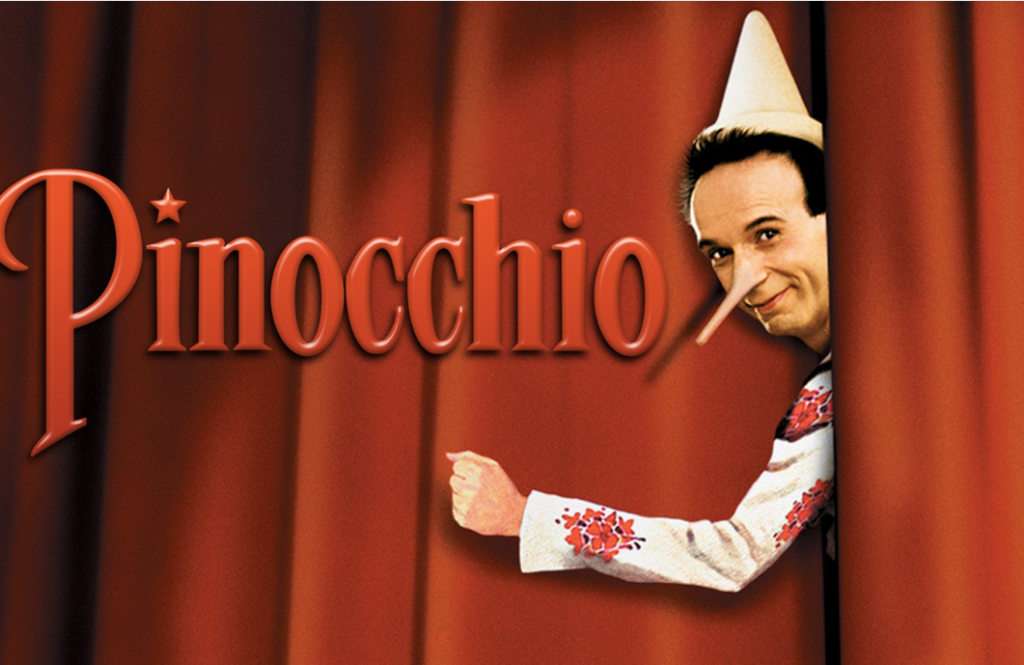
In the English-language version of Roberto Benigni’s Pinocchio, Cleese provides the voice of the Talking Cricket. The fantasy comedy is based on Carlo Collodi’s classic children’s story and was directed by and stars Benigni. Cleese’s participation was specifically associated with the English dub rather than a conventional live-action performance. This makes the film a notable voice and language-adaptation credit in his filmography.
2003 — Charlie’s Angels: Full Throttle
Cleese appears as Mr. Munday, the father of Cameron Diaz’s character Natalie, in Charlie’s Angels: Full Throttle. Directed by McG, the action comedy stars Diaz, Drew Barrymore, and Lucy Liu alongside Bernie Mac and Demi Moore. The film combines martial-arts action, comedy, elaborate stunts, and a deliberately heightened visual style. Cleese’s role is a supporting family appearance rather than a central part of the action.
2003 — Scorched
Scorched is a crime comedy centered on three bank employees who separately decide to steal money from the same bank. Cleese plays Charles Merchant, one of the figures caught up in the increasingly complicated scheme. Directed by Gavin Grazer, the film features Alicia Silverstone, Woody Harrelson, and Paulo Costanzo among its ensemble. Cleese’s role fits the movie’s blend of criminal plotting and offbeat comedy.
2003 — George of the Jungle 2
Cleese returned as the voice of Ape in George of the Jungle 2, the follow-up to the earlier jungle comedy. The film was directed by David Grossman and continued the adventures of George and his friends. Cleese again supplied the voice of the sophisticated ape, making this a recurring animated role. The sequel was released primarily as a home-video feature rather than as a major theatrical release.
2004 — Shrek 2
In Shrek 2, Cleese provides the voice of King Harold, Fiona’s father. Directed by Andrew Adamson, Kelly Asbury, and Conrad Vernon, the animated comedy reunites Shrek, Fiona, and Donkey while introducing the royal family and the Fairy Godmother. Mike Myers, Eddie Murphy, Cameron Diaz, and Julie Andrews lead the voice cast. Cleese’s King Harold became an important supporting character in the Shrek franchise.
2004 — Around the World in 80 Days
Frank Coraci’s Around the World in 80 Days is a family adventure comedy loosely inspired by Jules Verne’s novel. Cleese plays a Grizzled Sergeant in the film, which stars Jackie Chan and Steve Coogan. The story follows an eccentric inventor and his companions as they attempt to travel around the world within eighty days. Cleese’s appearance adds another comic supporting performance to the large international ensemble.
2005 — Valiant
Valiant is an animated comedy about a group of pigeons recruited to serve as messengers during the Second World War. Cleese provides the voice of Mercury, one of the military pigeons. The film features an ensemble voice cast including Ewan McGregor, Ricky Gervais, and Hugh Laurie. Cleese’s contribution continues his substantial body of animated-film voice work.
2005 — Complete Guide to Guys
Jeff Arch’s Complete Guide to Guys is a comedy inspired by Dave Barry’s observations about male behavior. Cleese appears in several comic roles, including a behavioral scientist, doctor, social scientist, and orthopedic surgeon. The film uses a mock-documentary-style approach to examine stereotypes about men through different historical periods. Cleese’s multiple characters make the appearance particularly suited to his sketch-comedy background.
2006 — Charlotte’s Web
In the live-action family film Charlotte’s Web, Cleese provides the voice of Samuel the Sheep. Directed by Gary Winick, the adaptation stars Dakota Fanning as Fern and features an extensive voice cast including Julia Roberts and Steve Buscemi. The story follows Wilbur the pig and Charlotte the spider as they form a friendship on a farm. Cleese’s performance gives Samuel a dry, comic personality within the ensemble of farm animals.
2006 — Man About Town
Mike Binder’s Man About Town stars Ben Affleck as a Hollywood talent agent whose personal and professional life begins to collapse. Cleese plays Dr. Primkin, a supporting character in the comedy-drama. The film also features Rebecca Romijn, John Cleese, and Jason Bateman. It gave Cleese another opportunity to work in an American ensemble comedy outside the large franchise productions dominating his filmography at the time.
2006 — L’Entente Cordiale
L’Entente Cordiale is a French comedy directed by Vincent de Brus. Cleese plays Lord Conrad in the film, which uses diplomatic relationships and cultural misunderstandings as the basis for its humor. The movie is one of the less internationally prominent entries in Cleese’s filmography but is important because it represents one of his French-language cinema collaborations. His performance expands his movie work beyond British and American productions.
2006 — Stranger Than Fiction
Cleese makes an uncredited appearance as a waiter in Marc Forster’s Stranger Than Fiction. The film stars Will Ferrell as an ordinary tax inspector who discovers that his life is being narrated by an unseen author. Cleese’s appearance is extremely brief and should be regarded as a cameo rather than a substantial supporting role. The film is notable for its unusual blend of comedy, drama, romance, and existential themes.
2007 — Shrek the Third
Cleese returned as King Harold in Shrek the Third, continuing his voice role from Shrek 2. The animated comedy follows Shrek as he reluctantly deals with the possibility of becoming king while searching for a suitable heir to the throne. Mike Myers, Eddie Murphy, Cameron Diaz, and Antonio Banderas lead the returning and expanded voice cast. Cleese’s character remains part of the royal storyline surrounding Fiona and Shrek.
2008 — Igor
In the animated comedy Igor, Cleese voices Dr. Glickenstein, an eccentric inventor whose assistant Igor becomes involved in a scheme to create a powerful monster. Directed by Tony Leondis, the film features John Cusack, Steve Buscemi, Molly Shannon, and Jennifer Coolidge alongside Cleese. Its visual style draws on classic Gothic and mad-scientist imagery while maintaining a family-comedy tone. Cleese’s voice performance suits the film’s exaggerated scientific humor.
2008 — The Day the Earth Stood Still
Scott Derrickson’s science-fiction remake The Day the Earth Stood Still stars Keanu Reeves as the alien Klaatu and Jennifer Connelly as scientist Helen Benson. Cleese plays Professor Barnhardt, a Nobel-winning scientist whom Klaatu approaches for help understanding humanity. The film updates the themes of the 1951 original with a stronger environmental focus. Cleese’s role is more serious than many of his contemporary comedy performances.
2009 — The Pink Panther 2
Cleese returned to the Inspector Clouseau series in The Pink Panther 2, playing Chief Inspector Charles Dreyfus. Steve Martin stars as Clouseau, with Emily Mortimer, Jean Reno, Andy García, and Alfred Molina also appearing. Directed by Harald Zwart, the film follows Clouseau and an international team attempting to stop a thief known as the Tornado. Cleese’s Dreyfus remains a comic counterpoint to Martin’s accident-prone detective.
2009 — Planet 51
In the animated science-fiction comedy Planet 51, Cleese provides the voice of Professor Kipple. The film reverses the usual alien-invasion formula by placing an astronaut on a planet populated by beings who fear humans as extraterrestrials. Dwayne Johnson voices astronaut Charles Baker, while Cleese is part of the supporting voice ensemble. The movie combines science-fiction parody with family-friendly adventure and comedy.
2010 — Spud

Spud is a South African coming-of-age comedy based on John van de Ruit’s novel. Cleese plays the eccentric teacher known as “The Guv,” while Troye Sivan stars as teenager John “Spud” Milton. Directed by Donovan Marsh, the film follows Spud through boarding-school life in early-1990s South Africa. Cleese’s character became an important comic presence throughout the series.
2010 — Legend of the Guardians: The Owls of Ga’Hoole
Zack Snyder’s animated fantasy Legend of the Guardians: The Owls of Ga’Hoole features Cleese as the voice of a character known as the Ghost. The story follows young owls caught in a conflict between rival groups as they fight to protect their kingdom. The film combines computer animation, fantasy adventure, and an unusually serious tone for a family-oriented animated movie. Cleese’s voice role forms part of an ensemble that includes Helen Mirren, Geoffrey Rush, and Hugo Weaving.
2010 — Shrek Forever After
Cleese reprised King Harold for Shrek Forever After, the fourth main installment in the Shrek film series. Directed by Mike Mitchell, the story explores an alternate reality created after Shrek makes a dangerous bargain with Rumpelstiltskin. Cleese’s character appears through the film’s established royal-family mythology. The movie marked his final feature-film appearance as King Harold.
2011 — Beethoven’s Christmas Adventure
In Beethoven’s Christmas Adventure, Cleese serves as the narrator in a family fantasy comedy centered on the oversized Saint Bernard Beethoven. Directed by John Putch, the film follows a Christmas elf whose stolen magical toy bag creates a holiday crisis. Cleese’s role is entirely vocal and provides narration rather than an on-screen character. The movie was released as a direct-to-video family feature.
2011 — The Big Year
David Frankel’s The Big Year is a comedy about three men competing to see who can record the largest number of bird species in North America. Cleese provides narration for historical-montage material rather than playing a conventional character. The cast includes Steve Martin, Jack Black, and Owen Wilson. His participation is therefore best described as a voice/narration appearance within a live-action feature.
2011 — Winnie the Pooh
In Disney’s animated Winnie the Pooh, Cleese serves as the narrator for the story of Pooh, Piglet, Tigger, Eeyore, and their friends in the Hundred Acre Wood. Directed by Stephen J. Anderson and Don Hall, the film intentionally returns to the visual and storytelling traditions of earlier Disney Pooh productions. Cleese’s narration helps connect the storybook presentation with the characters’ adventures. His role is vocal rather than a conventional on-screen performance.
2012 — God Loves Caviar
God Loves Caviar is a historical adventure-drama directed by Yannis Smaragdis and inspired by the life of Greek-Russian entrepreneur Ioannis Varvakis. Cleese plays McCormick in a supporting role alongside Sebastian Koch and Catherine Deneuve. The film moves between Russia, Greece, and other historical settings while exploring the protagonist’s rise and transformation. It represents one of the more unusual dramatic period-film appearances in Cleese’s later career.
2012 — A Liar’s Autobiography
Animated documentary: A Liar’s Autobiography: The Untrue Story of Monty Python’s Graham Chapman is an animated film based loosely on Graham Chapman’s autobiography. Cleese contributes voices, including a portrayal of David Frost and other roles, alongside fellow Python performers and archival material. The project combines animation, autobiography, comedy, and documentary storytelling. Because it is an unconventional animated memoir rather than a standard narrative feature, Cleese’s participation is best identified as a voice/documentary appearance.
2013 — The Last Impresario
Documentary: The Last Impresario profiles theatre and film producer Michael White, whose career included major stage and screen productions. Cleese appears as himself among the many performers and industry figures connected with White. The film is directed by Gracie Otto and takes a documentary approach rather than presenting a fictional narrative. Cleese’s appearance is therefore a documentary interview/self credit rather than an acting role.
2013 — Spud 2: The Madness Continues
In Spud 2: The Madness Continues, Cleese returns as The Guv, the eccentric teacher from the first Spud film. Troye Sivan again plays Spud, with the story continuing his boarding-school experiences in South Africa. Donovan Marsh directed the sequel, which blends coming-of-age comedy with the increasingly complicated lives of its teenage characters. Cleese’s recurring performance remained one of the series’ recognizable comic elements.
2013 — Planes
In Disney’s animated Planes, Cleese provides the voice of Bulldog, an experienced racing plane who participates in the international competition. Directed by Klay Hall, the film is a spin-off from the Cars universe and follows crop-duster Dusty Crophopper as he pursues an unlikely racing career. Cleese’s character contributes British-flavored humor to the international cast. The role continues his extensive work in animated family films.
2014 — Spud 3: Learning to Fly
John Barker directed Spud 3: Learning to Fly, the second sequel in the South African coming-of-age series. Cleese again plays The Guv as Spud enters another year at boarding school and faces new challenges. Troye Sivan reprises the title role, with Caspar Lee and Sven Ruygrok among the supporting cast. The film was released theatrically in South Africa in November 2014.
2014 — Monty Python Live (Mostly)
Concert film: Monty Python Live (Mostly) documents the group’s 2014 reunion performances in London. Cleese appears alongside Michael Palin, Eric Idle, Terry Jones, and Terry Gilliam as the surviving members recreated classic material for a live audience. The production celebrated the group’s first major reunion performances in many years. Because it is a filmed stage performance rather than a conventional narrative movie, it is classified as a concert film.
2015 — Absolutely Anything
In Terry Jones’s science-fiction comedy Absolutely Anything, Cleese provides the voice of one of the extraterrestrials who grant an ordinary man extraordinary powers. Simon Pegg stars as Neil Clarke, with Kate Beckinsale, Robin Williams, Terry Jones, and other performers completing the cast. The extraterrestrials use Neil as an experiment to determine whether humanity deserves to survive. Cleese’s voice performance adds another layer of absurd British comedy to the alien characters.
2016 — A.C.O.R.N.S.: Operation Crackdown
A.C.O.R.N.S.: Operation Crackdown, also known as Get Squirrely in some territories, is an animated comedy about animals fighting a corporation that is stealing their acorns. Cleese voices Mr. Bellwood in the film directed by Ross Venokur. The voice cast also includes Victoria Justice, Jason Jones, Will Forte, and Samantha Bee. It received international releases during 2016, making it a genuine released feature rather than an unreleased project.
2016 — Trolls
In DreamWorks’ animated musical comedy Trolls, Cleese voices King Gristle Sr. The film follows the colorful Trolls as they confront the larger and more dangerous Bergens, with Anna Kendrick and Justin Timberlake leading the voice cast. Directed by Mike Mitchell and Walt Dohrn, the movie combines fantasy, comedy, music, and family adventure. Cleese’s character is part of the Bergen royal family and contributes to the film’s comic tone.
2017 — Albion: The Enchanted Stallion
Albion: The Enchanted Stallion is a fantasy adventure about a young girl transported to a magical world by a mysterious horse. Cleese plays General Eeder in the film, directed by Castille Landon and featuring Jennifer Morrison, Debra Messing, Stephen Dorff, and Daniel Sharman. The story combines family adventure, fantasy, and fairy-tale elements. Although the production dates are sometimes listed as 2016, its U.S. release occurred in April 2017, so 2017 is the appropriate release year for this chronology.
2018 — Charming
In the animated musical comedy Charming, Cleese provides voices for the Fairy Godmother and the Executioner. The film puts a comedic spin on several familiar fairy-tale characters, including Prince Charming and three princesses. Cleese’s multiple voice roles fit the movie’s broad, playful approach to traditional fairy-tale conventions. The film forms part of his later period of regular animation work.
2018 — Elliot: The Littlest Reindeer
Elliot: The Littlest Reindeer is an animated family comedy about a miniature horse determined to become one of Santa’s reindeer. Cleese voices Donner, one of the established reindeer characters. The film combines Christmas fantasy, friendship, and competition, with Josh Hutcherson and Morena Baccarin among the other voices. Cleese’s performance adds another recognizable British voice to the holiday adventure.
2019 — The Naked Wanderer
The Naked Wanderer, also released under the title Crazy About You, is an Australian romantic comedy directed by Alan Lindsay. Cleese plays Brian King, a media figure who sponsors a young man’s unusual charity walk along the Western Australian coast. Angus McLaren and Natasha Liu Bordizzo lead the film’s romantic storyline. The movie combines road comedy, romance, and a deliberately unconventional long-distance journey.
2019 — Arctic Dogs
In the animated adventure comedy Arctic Dogs, Cleese voices Doc Walrus, one of the inhabitants of an Arctic community threatened by a dangerous scheme. The film follows a delivery fox who wants to become a Top Dog while uncovering a plan that could damage the Arctic environment. The voice cast includes Jeremy Renner, Heidi Klum, and Alec Baldwin. Cleese’s role continues his long-running association with animated family features.
2020 — The Very Excellent Mr. Dundee
The Very Excellent Mr. Dundee is a comedy in which Paul Hogan plays a fictionalized version of himself struggling with an attempt to restore his public reputation. Cleese appears as John, joining a cast that includes Chevy Chase, Olivia Newton-John, and other performers appearing as exaggerated versions of themselves. The film uses celebrity cameos and self-parody as major elements of its humor. It was one of Cleese’s more overtly meta-comedic screen appearances.
2021 — Father Christmas Is Back
Father Christmas Is Back is a British Christmas comedy directed by Philippe Martinez and Mick Davis. Cleese plays John Christmas, the estranged father whose unexpected arrival disrupts a family Christmas gathering. Elizabeth Hurley, Kelsey Grammer, Nathalie Cox, Kris Marshall, and Ray Fearon are among the ensemble cast. The film was released by Netflix in November 2021 and uses family conflict, holiday traditions, and misunderstandings as its central comic themes.
2021 — Clifford the Big Red Dog
In Clifford the Big Red Dog, Cleese plays Mr. Bridwell, the mysterious man associated with the giant red puppy. Directed by Walt Becker, the family adventure combines live action with computer-generated imagery and stars Darby Camp and Jack Whitehall. The story follows Emily Elizabeth as Clifford grows to enormous proportions and creates chaos across New York City. Cleese’s role connects the film to the original children’s-book mythology.
2022 — Daddy Daughter Trip
Rob Schneider’s Daddy Daughter Trip is a family comedy about a financially struggling father who promises his daughter an unforgettable spring-break vacation. Cleese plays Frank in the film, joining Schneider, Mónica Huarte, Jackie Sandler, and Miguel Ángel Muñoz. The story develops through a series of road-trip mishaps and family complications. The movie premiered in September 2022 and subsequently received wider home-media distribution.
2023 — Rally Road Racers
Rally Road Racers is an animated sports comedy featuring Cleese as the voice of Archie Vainglorious. The film follows a young mammal determined to become a rally-racing champion while competing against more experienced racers. Cleese’s vocal performance contributes to the colorful ensemble of animal characters. It is one of his later animated feature roles and was released in 2023.
2023 — The Palace
Roman Polanski’s The Palace is a dark comedy set during a chaotic New Year’s Eve celebration at a luxury Swiss hotel in 1999. Cleese plays Arthur William Dallas III, appearing alongside Oliver Masucci, Fanny Ardant, Joaquim de Almeida, and Mickey Rourke. The film explores the bizarre behavior of wealthy guests as the millennium approaches. It premiered at the Venice Film Festival in September 2023 before its Italian theatrical release later that month.
2023 — The Martini Shot
Stephen Wallis’s The Martini Shot is an existential drama about an aging filmmaker who believes he may be making his final movie. Cleese plays Dr. Auyeung alongside Matthew Modine, Stuart Townsend, Fiona Glascott, and Derek Jacobi. Rather than broad comedy, the film focuses on mortality, artistic ambition, and the relationship between filmmakers and their work. It premiered at the Galway Film Fleadh in July 2023 and received further festival and theatrical releases afterward.
2024 — How to Make Her Leave
How to Make Her Leave is a romantic comedy directed by Michael Boccalini and Ché Grant. Cleese plays Terry in the story of a man whose insecurities about his fiancée lead him into an increasingly chaotic attempt to test her fidelity. The film also stars Ellie Rose Boswell, Megan McKenna, and Steve Hodgetts. It received an official premiere in July 2024, making it the latest released feature-film acting credit in this chronology rather than an upcoming project.
John Cleese’s Non-Feature Film Appearances
Several entries in Cleese’s screen history are important but do not belong in the main feature-film chronology. Romance with a Double Bass is a 1974 short comedy film in which he plays musician Smychkov and also helped with the writing; it runs approximately 40 minutes and was later shown theatrically.
Quantum Project is another unusual case: the 2000 production was a roughly 40-minute Internet-distributed drama starring Cleese as Alexander Pentcho, and it was promoted as an early feature-length-style Internet movie despite its short runtime. Edwurd Fudwupper Fibbed Big, released in 2000, is a seven-to-nine-minute animated short in which Cleese voices the Giant Alien. These are relevant to a complete screen history but are not standard theatrical features.
Conclusion
John Cleese’s movie career spans more than five decades and demonstrates remarkable variety. From his early British comedy appearances and landmark Monty Python films to A Fish Called Wanda, Harry Potter, James Bond, Shrek, animated family movies, and later independent comedies and dramas, his filmography has continually evolved. His ability to move between live-action comedy, character acting, voice performance, satire, fantasy, and drama has made him one of Britain’s most distinctive screen performers. The chronological record of John Cleese movies by year also shows how consistently he has remained active across different generations of cinema.
