


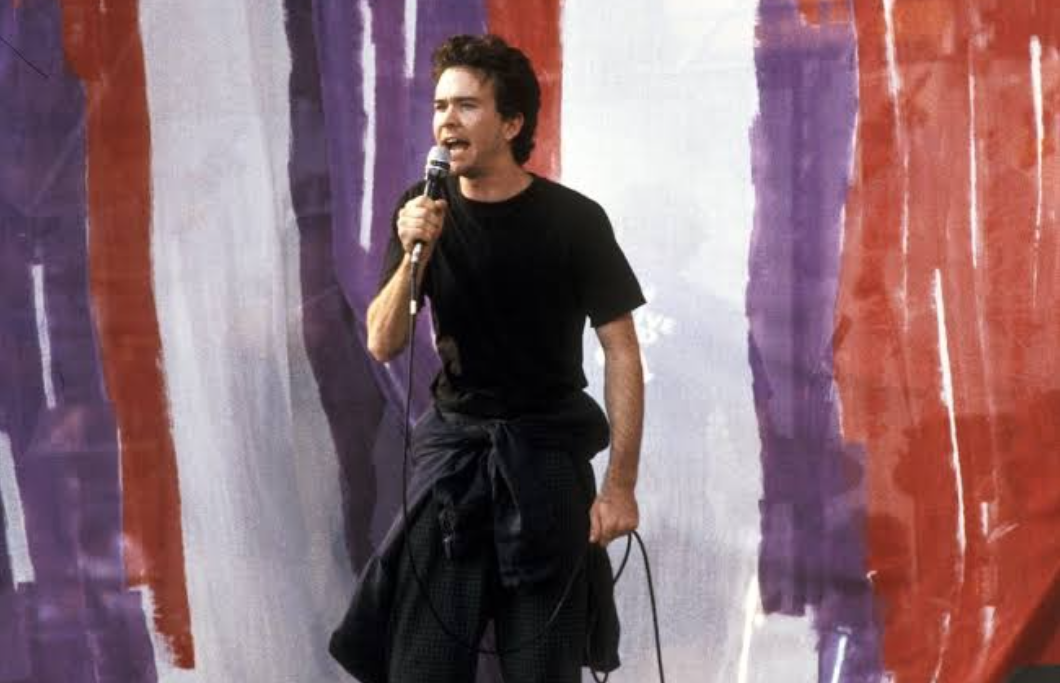
Timothy Hutton is an American actor whose film career began when he was just five years old, with an uncredited appearance in the 1965 comedy Never Too Late. He became one of Hollywood’s most acclaimed young performers after starring as Conrad Jarrett in Robert Redford’s Ordinary People (1980), a performance that earned him the Academy Award for Best Supporting Actor. Hutton followed that breakthrough with memorable roles in films such as Taps, Daniel, Iceman, and The Falcon and the Snowman, establishing a reputation for playing thoughtful and complicated characters. Across the following decades, he moved comfortably between dramas, thrillers, comedies, independent films, and major studio productions. His later movie work includes The Ghost Writer, Louder Than Words, All the Money in the World, and Beautiful Boy. This guide to Timothy Hutton movies by year covers his released feature-film appearances chronologically, while also identifying notable non-standard screen appearances separately.
1965 — Never Too Late
Never Too Late was a comedy directed by Bud Yorkin and produced by Norman Lear, starring Paul Ford, Maureen O’Sullivan, Connie Stevens, and Jim Hutton. Timothy Hutton appears very briefly as a boy running to his father, an uncredited part that marked his first screen appearance at the age of five. The story follows a married couple whose lives are disrupted when the wife discovers she is unexpectedly pregnant. Although Hutton’s appearance was tiny, the film is historically notable as the beginning of his screen career.
1979–1980 — Early Television Movie Appearances
Before becoming a feature-film star, Hutton appeared in several made-for-television productions, including Friendly Fire, The Best Place to Be, And Baby Makes Six, Young Love, First Love, The Oldest Living Graduate, and Father Figure. These productions are television films rather than theatrical features, so they are not counted among his main feature-film chronology. They nevertheless formed an important part of his early acting development and helped establish him as a young performer. His first major theatrical feature would arrive in 1980 with Ordinary People.
1980 — Ordinary People
Ordinary People, directed by Robert Redford, became the defining breakthrough of Timothy Hutton’s early career. He played Conrad Jarrett, a troubled teenager struggling with guilt and grief after the accidental death of his older brother and his own suicide attempt. Donald Sutherland, Mary Tyler Moore, and Judd Hirsch co-starred in the acclaimed family drama, which was based on Judith Guest’s novel. Hutton’s emotionally restrained performance earned him the Academy Award for Best Supporting Actor, making the film one of the most important entries in Timothy Hutton movies by year.
1981 — Taps
In Harold Becker’s military drama Taps, Hutton portrayed Cadet Major Brian Moreland, the disciplined student leader of a military academy who becomes involved in an escalating confrontation. The film featured a young Sean Penn and Tom Cruise alongside George C. Scott, giving Hutton another high-profile ensemble cast after Ordinary People. The story explores loyalty, authority, military tradition, and the dangerous consequences of youthful idealism. Hutton’s performance earned him a Golden Globe nomination for Best Actor in a Motion Picture – Drama.
1981 — Teenage Suicide: Don’t Try It!
Teenage Suicide: Don’t Try It! was a documentary-style educational production in which Hutton served as narrator rather than appearing in a conventional dramatic acting role. It addressed teenage suicide and was intended as a serious awareness-oriented project. Because it is a non-standard documentary appearance rather than a conventional feature film, it is listed separately here. Hutton’s involvement illustrates the range of screen work he undertook early in his career.
1983 — Daniel
Sidney Lumet directed Daniel, a historical drama loosely based on the lives of Julius and Ethel Rosenberg and their children. Hutton played Daniel Isaacson, the son of a couple executed for espionage, as he attempts to understand his family’s history and seek justice. The film also featured Amanda Plummer, John Rubinstein, and Lindsay Crouse and dealt with politics, family loyalty, and the consequences of Cold War-era persecution. Hutton chose the demanding project during a period when he was becoming known for serious dramatic roles.
1984 — Iceman
Iceman, directed by Fred Schepisi, is a science-fiction drama about the discovery of a Neanderthal man preserved in Arctic ice. Hutton played Dr. Stanley Shephard, a scientist who becomes increasingly sympathetic toward the revived prehistoric human and challenges the way his colleagues treat him as a scientific specimen. John Lone, Lindsay Crouse, and John Glover were among the principal cast members. The film gave Hutton an opportunity to move from contemporary dramas into speculative science fiction while retaining the character-driven approach that defined many of his early performances.
1985 — The Falcon and the Snowman
John Schlesinger’s The Falcon and the Snowman reunited Hutton with Sean Penn in a fact-based espionage drama. Hutton played Christopher Boyce, a young American defense contractor who becomes involved in selling classified information to the Soviet Union. Penn portrayed his troubled friend and courier, Daulton Lee, while the film examined political disillusionment, friendship, and the consequences of espionage. The serious subject matter and Hutton’s controlled performance made it one of the strongest dramatic films of his 1980s career.
1985 — Turk 182!
In Bob Clark’s Turk 182!, Hutton took a very different role as Jimmy Lynch, a young man who challenges city authorities after his firefighter brother is injured and denied proper compensation. The film blends comedy, drama, and social protest as Jimmy creates the mysterious “Turk 182” identity to attract public attention. Robert Urich, Kim Cattrall, and Robert Culp were also part of the cast. It was an attempt to show Hutton in a more accessible, rebellious role after several intensely serious performances.
1987 — Made in Heaven
Alan Rudolph directed Made in Heaven, a romantic fantasy starring Hutton as Mike Shea and, later, Elmo Barnett. The story follows a young couple whose relationship continues in an unusual afterlife setting before they are given another chance at earthly love. Kelly McGillis, Maureen Stapleton, and Debra Winger were among the supporting cast. The film allowed Hutton to explore a warmer romantic and fantasy-oriented character, broadening the range of his 1980s work.
1988 — A Time of Destiny
Gregory Nava’s A Time of Destiny is a family drama set against the backdrop of war and personal conflict. Hutton played Jack McKenna, a young man caught in the emotional and political tensions surrounding his family. William Hurt, Timothy Hutton, Melissa Leo, and other notable performers helped create the film’s ensemble cast. The movie continued Hutton’s run of dramatic roles while shifting his focus toward a broader family and wartime story.
1988 — Everybody’s All-American
In Everybody’s All-American, directed by Taylor Hackford, Hutton played Donnie “Cake” McCaslin, a college football star whose life develops through decades of personal and professional changes. Dennis Quaid and Jessica Lange led the cast, with Hutton positioned as part of the film’s romantic and sporting ensemble. The drama explores ambition, fame, relationships, aging, and the realities behind an athlete’s public image. It was another substantial character role during Hutton’s transition from young star to more mature leading actor.
1988 — Betrayed
Hutton made an uncredited appearance in Costa-Gavras’s political thriller Betrayed. His brief role is credited as a juggler at a fair, making this a cameo-sized appearance rather than a substantial character performance. The film starred Debra Winger and Tom Berenger and examined the discovery of extremist political activity within an apparently ordinary American community. Because Hutton is uncredited, Betrayed is best regarded as a minor supporting screen appearance in his filmography.
1989 — Torrents of Spring
Torrents of Spring was directed by Jerzy Skolimowski and adapted from Ivan Turgenev’s 1872 novel. Hutton starred as Dimitri Sanin, a young Russian aristocrat whose romantic life becomes complicated by his attraction to two very different women, played by Valeria Golino and Nastassja Kinski. The period drama was an international British-French-Italian co-production and competed at the Cannes Film Festival. Its literary source and European production gave Hutton a notably different type of role from his American contemporary dramas.
1990 — Q&A
Sidney Lumet directed the crime drama Q&A, with Hutton playing Assistant District Attorney Aloysius “Al” Reilly. Reilly becomes involved in an investigation that exposes corruption within the New York police and justice systems, placing him opposite Nick Nolte’s morally compromised detective. Amanda Plummer, Armand Assante, and Charles Dutton also appeared in the film. The movie is notable for its gritty examination of institutional corruption and marked another collaboration between Hutton and Lumet after Daniel.
1993 — The Temp
In The Temp, Hutton played Peter Derns, an employee at a food company whose workplace becomes increasingly unsettling after the arrival of a mysterious temporary worker. The psychological thriller was directed by Tom Holland and featured Lara Flynn Boyle and Faye Dunaway alongside Hutton. The story combines workplace suspense with questions about ambition, jealousy, and manipulation. It gave Hutton a chance to move into a darker contemporary thriller following his dramatic work of the early 1990s.
1993 — The Dark Half
George A. Romero directed The Dark Half, an adaptation of Stephen King’s novel, with Hutton taking the demanding dual role of Thad Beaumont and his violent literary alter ego, George Stark. The horror film follows Beaumont, a writer whose fictional persona appears to take physical form and begins committing murders. Amy Madigan, Michael Rooker, and Julie Harris were among the cast. Hutton’s two-sided performance is one of the most distinctive roles in his filmography and earned recognition at the Fantafestival.
1995 — French Kiss
French Kiss is a romantic comedy directed by Lawrence Kasdan and starring Meg Ryan and Kevin Kline. Hutton played Charlie Lytton, Kate’s fiancé, whose decision to leave her for another woman sends her on a journey to France. The film combines romance, comedy, travel, and mistaken assumptions against a European backdrop. Although Hutton’s role is smaller than those of Ryan and Kline, it represented another departure from his more intense dramatic work.
1995 — The Last Word
Tony Spiridakis directed The Last Word, a crime drama starring Hutton as Martin Ryan, a Detroit journalist with connections to organized crime. The story follows Martin as he becomes involved with a woman whose dangerous past complicates both his personal life and his plans to turn his experiences into a screenplay. Joe Pantoliano, Michelle Burke, Chazz Palminteri, Richard Dreyfuss, and Tony Goldwyn were also featured. The film was released in 1995 and later became associated with the alternate title Cosa Nostra: The Last Word.
1996 — Beautiful Girls
Ted Demme’s Beautiful Girls is an ensemble comedy-drama centered on a group of longtime friends who reunite in their hometown. Hutton starred as Willie Conway, a pianist questioning his relationships and future while reconnecting with old friends. Matt Dillon, Mira Sorvino, Uma Thurman, Michael Rapaport, and a young Natalie Portman were among the ensemble cast. The film became one of Hutton’s better-known 1990s movies and is particularly remembered for its character-driven exploration of friendship, romance, and adulthood.
1997 — City of Industry
In the crime thriller City of Industry, Hutton played Lee Egan, a member of a group of criminals whose robbery plans collapse into betrayal and violence. The film was directed by John Irvin and featured Harvey Keitel, Stephen Dorff, and Famke Janssen. Hutton’s character operates in a darker criminal environment than many of his earlier dramatic roles. The movie helped establish his continued interest in independent and character-focused crime stories during the 1990s.
1997 — Playing God
Playing God, directed by Andy Wilson, stars Hutton as Raymond Blossom, a man connected to a dangerous criminal world. David Duchovny leads the film as a disgraced surgeon who becomes involved with criminals after being introduced to an unusual opportunity. Angelina Jolie and Timothy Hutton are among the supporting cast. The crime drama combines medical ethics, criminal intrigue, and moral compromise.
1999 — The General’s Daughter
Simon West’s military crime thriller The General’s Daughter features Hutton as Colonel William Kent. John Travolta stars as a military investigator examining the mysterious death of an Army officer, while Madeleine Stowe and James Cromwell also appear. Hutton’s role places him within the military environment at the center of the investigation. The film was a major studio production and showed Hutton working in a large-scale commercial thriller.
1999 — Deterrence
Deterrence is a political thriller directed by Rod Lurie and set largely during an international crisis. Hutton played Marshall Thompson, a member of the administration involved in a rapidly escalating confrontation involving nuclear weapons. Kevin Pollak, Sheryl Lee Ralph, and Sean Astin were among the cast members. The film focuses more on political decision-making and tense dialogue than conventional action, giving Hutton another serious supporting role.
2000 — Just One Night
In the romantic comedy Just One Night, Hutton played Isaac Alder. The story follows a man whose seemingly simple romantic plans become complicated during an unexpected night of encounters and misunderstandings. The film belongs to the lighter side of Hutton’s screen work and arrived before his renewed television prominence in the early 2000s. It is an officially released feature in his filmography, although it remains less widely known than Ordinary People or Beautiful Girls.
2002 — Sunshine State
John Sayles directed Sunshine State, an ensemble drama set in a Florida community undergoing economic and social change. Hutton played Jack Meadows, a character connected to the film’s network of residents whose personal lives intersect as developers and local interests compete over the future of the area. The cast included Ed Harris, Angela Bassett, Mary Steenburgen, and others. The film is notable for its understated storytelling and detailed portrayal of community, identity, and change.
2004 — Secret Window
Secret Window, directed by David Koepp and adapted from Stephen King’s novella, stars Johnny Depp as writer Mort Rainey. Hutton played Ted Milner, a character connected to Mort’s troubled personal life and the story’s central relationship conflict. The psychological thriller gradually turns a dispute over plagiarism into a much more dangerous confrontation. Hutton’s supporting performance fits into the film’s tense atmosphere of suspicion, paranoia, and psychological instability.
2004 — Kinsey
Bill Condon’s Kinsey is a biographical drama about pioneering sex researcher Alfred Kinsey, played by Liam Neeson. Hutton portrayed Paul Gebhard, one of Kinsey’s research colleagues and collaborators. Laura Linney, Chris O’Donnell, Peter Sarsgaard, and Chris Noth were among the film’s ensemble cast. The movie examines Kinsey’s research, his influence on American discussions about sexuality, and the controversies surrounding his work.
2005 — Turning Green
Turning Green is an independent coming-of-age drama in which Hutton played Bill the Breaker. The film follows a young protagonist dealing with family circumstances and personal change while moving through an unusual period of adolescence. Hutton’s role is part of the film’s supporting ensemble rather than its central storyline. Although less prominent than his studio releases, the movie represents his continued participation in independent cinema.
2006 — Last Holiday
In the romantic comedy Last Holiday, Hutton played Matthew Kragen, a character involved in the story surrounding Georgia Byrd, portrayed by Queen Latifah. Directed by Wayne Wang, the film follows an ordinary department-store employee who believes she has only weeks to live and decides to experience the life she has postponed. LL Cool J, Gérard Depardieu, and Alicia Witt also appear. Hutton’s supporting role placed him in a much lighter and more commercially accessible film than several of his previous independent dramas.
2006 — Stephanie Daley
Stephanie Daley is a psychological drama directed by Hilary Brougher. Hutton played Paul Crane, a father whose family becomes involved in the difficult circumstances surrounding the teenage Stephanie Daley. The film stars Amber Tamblyn and Melissa Leo and explores pregnancy, trauma, guilt, and the complicated ways adults respond to a teenager’s crisis. Hutton’s performance contributes to the film’s serious and emotionally restrained tone.
2006 — The Kovak Box
In the psychological thriller The Kovak Box, Hutton played science-fiction writer David Norton. The story takes him to Mallorca, where a strange sequence of events leads him to investigate a mysterious phenomenon connected with a device capable of manipulating people’s behavior. Directed by Daniel Monzón, the film combines science fiction, mystery, and suspense. It was one of several international and independent productions that expanded Hutton’s film work during the mid-2000s.
2006 — Heavens Fall
Heavens Fall, directed by Terry Green, is a historical courtroom drama based on the 1931 Scottsboro Boys case. Hutton played Samuel Leibowitz, the defense attorney who takes on the controversial case and challenges the legal system surrounding it. The film features David Strathairn, Leelee Sobieski, and Anthony Mackie among its cast. Hutton’s role required him to portray a determined lawyer confronting racial injustice and institutional prejudice.
2006 — Off the Black
James Ponsoldt’s Off the Black is an independent drama about an aging high-school baseball umpire and a troubled teenager who form an unlikely friendship. Hutton played Tom Tibbel, the teacher and coach whose relationship with the teenager becomes central to the story. Nick Nolte and Trevor Morgan lead the film, which focuses on loneliness, regret, mentorship, and emotional reconciliation. The movie reflects Hutton’s strong presence in character-driven independent cinema during this period.
2006 — The Good Shepherd
Robert De Niro directed The Good Shepherd, an expansive historical drama about the early development of American intelligence operations. Hutton played Thomas Wilson, appearing alongside Matt Damon, Angelina Jolie, De Niro, Alec Baldwin, and other major performers. The film traces the personal sacrifices and secrecy surrounding intelligence work from the Second World War into the Cold War. Hutton’s supporting role added another established actor to the film’s large ensemble.
2006 — Falling Objects
Falling Objects was a short film rather than a standard feature, with Hutton credited as Oscar Peters. Because it falls outside the normal feature-film category, it is best identified separately from the main chronological list. The project nevertheless forms part of Hutton’s screen acting credits during an especially busy period in his career. His 2006 output overall was unusually prolific, with several feature films released around the same time.
2007 — The Last Mimzy
In the science-fiction family adventure The Last Mimzy, Hutton played David Wilder, a father whose children discover mysterious objects that appear to have come from the future. The film was directed by Robert Shaye and also starred Joely Richardson, Chris O’Neil, and Rhiannon Leigh Wryn. It combines family drama, science fiction, and adventure around the children’s unusual discovery. The movie gave Hutton a prominent role in a family-oriented studio production.
2007 — When a Man Falls in the Forest
When a Man Falls in the Forest is an independent drama examining the lives of several emotionally disconnected people. Hutton played Gary Fields, one of the characters whose personal struggles contribute to the film’s interconnected narrative. The movie focuses on loneliness, alienation, and the difficulty of forming meaningful relationships. It continued Hutton’s pattern of taking challenging supporting and ensemble roles in independent productions.
2008 — The Alphabet Killer
In The Alphabet Killer, Hutton portrayed Detective Richard Ledge, who becomes involved in an investigation into a series of murders connected by an unusual pattern. Eliza Dushku stars as a police officer whose investigation becomes increasingly personal, with Hutton serving as an important figure in the mystery. The film blends crime, psychological thriller, and horror elements. It gave Hutton another opportunity to play a seasoned investigator in a dark genre production.
2008 — Reflections
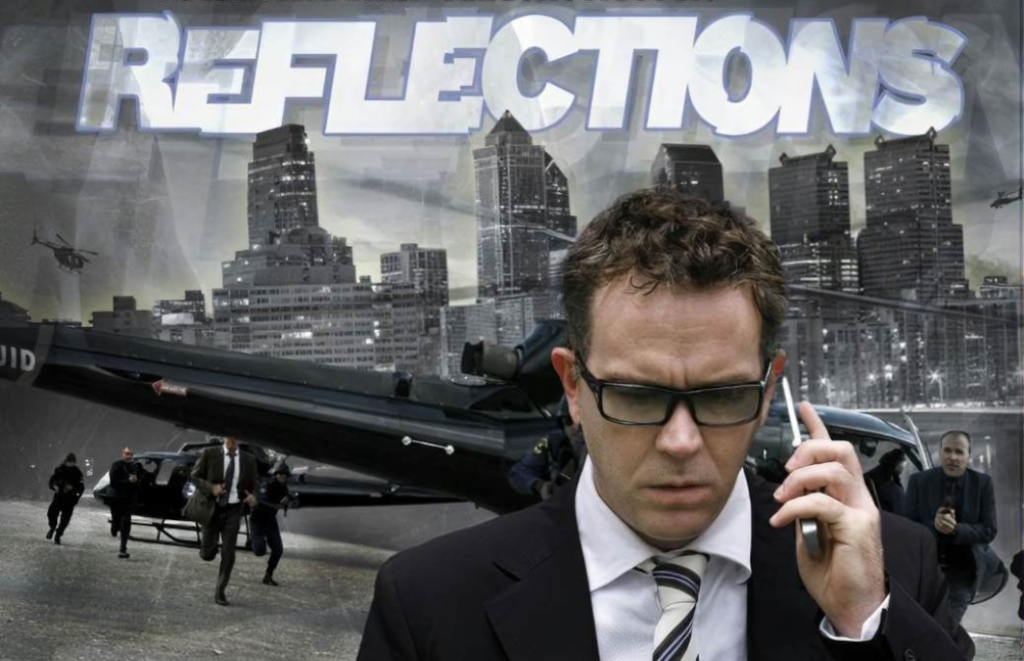
Reflections is a psychological crime thriller directed by Bryan Goeres, with Hutton playing Tom. The story centers on an American detective caught in a dangerous investigation involving murder, identity, and international intrigue. Hutton’s character contributes to the film’s suspense-driven narrative rather than serving as its sole protagonist. The project is another example of his international film work during the late 2000s.
2008 — Lymelife
In Lymelife, Hutton played Charlie Bragg, a father living in a suburban family environment increasingly affected by personal and social tensions. The coming-of-age drama features Rory Culkin, Alec Baldwin, Cynthia Nixon, Emma Roberts, and Kieran Culkin. Set during the 1970s, the movie explores family dysfunction, adolescence, infidelity, and the changing American suburb. Hutton’s performance fits the film’s ensemble approach and grounded dramatic style.
2009 — Broken Hill
Broken Hill is a musical coming-of-age drama in which Hutton played George McAlpine. The film follows a young Australian musician who dreams of taking his band to a major music competition, despite obstacles standing in his way. Hutton’s role places him within the young protagonist’s family and community environment. The film combines family themes, music, and personal ambition.
2009 — The Killing Room
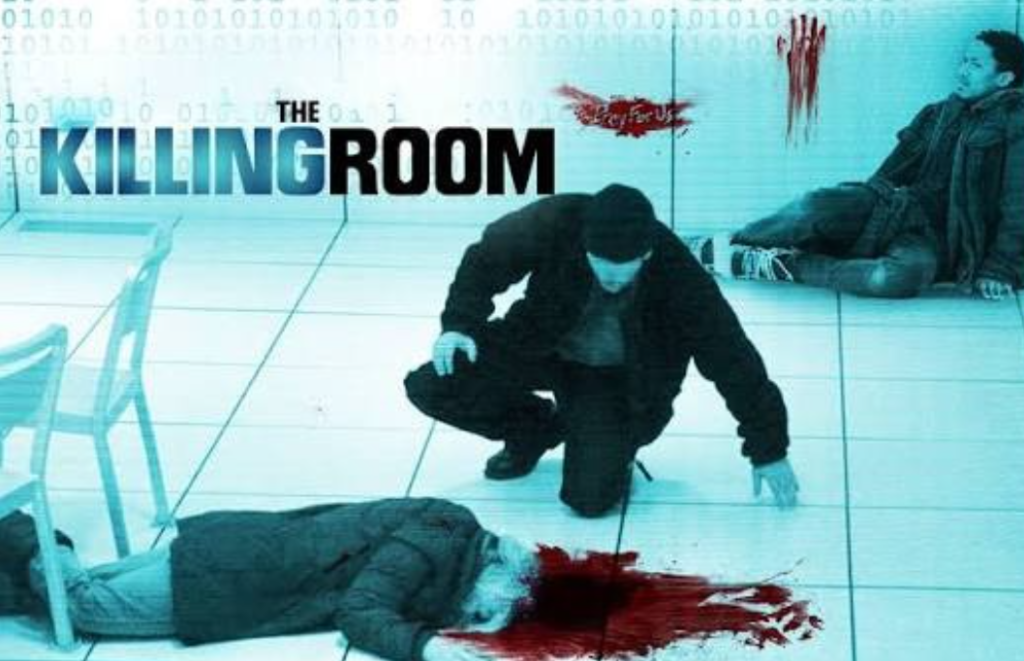
In the psychological thriller The Killing Room, Hutton played Crawford Haines, a character connected to a secret government experiment involving human subjects. The film uses a claustrophobic setting to explore manipulation, psychological pressure, and the morality of experimentation. Nick Cannon, Clea DuVall, Chloë Sevigny, and Peter Stormare also star. Hutton’s role contributes to the film’s unsettling atmosphere and mystery.
2009 — Brief Interviews with Hideous Men
John Krasinski directed Brief Interviews with Hideous Men, an adaptation of David Foster Wallace’s book. Hutton appears as Professor Adams and as Subject 30, taking part in the film’s series of interview-style encounters examining male behavior, relationships, and emotional insecurity. The movie uses an ensemble structure rather than a conventional single-protagonist narrative. Hutton’s participation is part of a large cast that includes Julianne Nicholson, Christopher Meloni, and Krasinski.
2009 — Serious Moonlight
In the dark romantic comedy Serious Moonlight, Hutton played Ian, a man whose attempt to leave his marriage triggers an increasingly chaotic situation. Meg Ryan stars as Louise, with Kristin Bell and Justin Long also appearing in the film. The movie combines relationship drama with black comedy and escalating physical confrontation. Hutton’s role allowed him to work in a more overtly comedic and relationship-focused setting.
2010 — The Ghost Writer
Roman Polanski’s political thriller The Ghost Writer features Hutton as Sidney Kroll, a supporting figure within a story involving a former British prime minister and a mysterious political manuscript. Ewan McGregor plays the unnamed ghostwriter, while Pierce Brosnan, Olivia Williams, and Kim Cattrall are among the principal cast. The film mixes political intrigue, mystery, and psychological suspense. It became one of Hutton’s most notable later-career screen appearances and was widely praised by critics.
2010 — Multiple Sarcasms
In Multiple Sarcasms, Hutton played Gabriel, a New York architect experiencing dissatisfaction with his personal and professional life. The drama examines friendship, marriage, creativity, and the consequences of pursuing an alternative life. The ensemble includes Stockard Channing, Mira Sorvino, Dana Delany, and Hutton. Although released as a smaller independent production, it continued his interest in character-focused dramatic material.
2013 — Louder Than Words
Louder Than Words is a family drama directed by Anthony Fabian, with Hutton playing Bruce Komiske. The story follows parents coping with the death of their daughter and attempting to transform their grief into something constructive for their community. David Duchovny and Hope Davis lead the film alongside Hutton. The movie focuses on grief, family resilience, and the search for meaning after tragedy.
2015 — #Horror
In the psychological horror film #Horror, Hutton played Dr. Michael White. The film follows a group of young girls whose social-media-driven world becomes increasingly disturbing during a night at a secluded house. Directed by Tara Subkoff, it examines bullying, online identity, peer pressure, and the darker side of digital culture. Hutton’s role is part of an ensemble that includes Chloë Sevigny, Natasha Lyonne, and Timothy Hutton.
2017 — All the Money in the World
Ridley Scott’s All the Money in the World dramatizes the kidnapping of John Paul Getty III and the negotiations surrounding his wealthy family. Hutton played Oswald Hinge, a character connected to the Getty family and the kidnapping crisis. Michelle Williams, Christopher Plummer, Mark Wahlberg, and Charlie Plummer lead the principal cast. The film attracted particular attention after Christopher Plummer replaced Kevin Spacey in extensive reshoots shortly before release.
2018 — Beautiful Boy
Beautiful Boy, directed by Felix van Groeningen, follows a father and son’s struggle with addiction and recovery. Hutton played Dr. Brown, appearing alongside Steve Carell, Timothée Chalamet, Maura Tierney, and Amy Ryan. Based on memoirs by David and Nic Sheff, the film focuses on the emotional impact of addiction on both the individual and the family. It became one of Hutton’s notable dramatic supporting roles in the later stage of his movie career.
2020 — The Glorias
Julie Taymor’s The Glorias is a biographical drama about feminist activist and writer Gloria Steinem. Hutton played Leo Steinem, Gloria’s father, in a story that moves through different stages of Steinem’s life and career. Julianne Moore, Alicia Vikander, Lulu Wilson, and Ryan Kiera Armstrong portray Steinem at different ages. The film combines family history with the larger story of Steinem’s development as a prominent activist and writer.
2024 — Brats
Brats is a feature-length documentary directed by Andrew McCarthy rather than a conventional narrative feature. Hutton appears as himself alongside fellow actors associated with the 1980s “Brat Pack,” including Rob Lowe, Demi Moore, Ally Sheedy, Emilio Estevez, Jon Cryer, and Lea Thompson. The documentary revisits the cultural impact of the Brat Pack label and the experiences of the actors who became associated with it. Hutton’s participation makes the film a relevant non-standard entry in a complete Timothy Hutton movies by year guide, but it should not be confused with a scripted acting role.
2025 — Park Avenue
Park Avenue is a drama directed by Gaby Dellal and starring Fiona Shaw, Katherine Waterston, and Chaske Spencer. Hutton appears as Johnny Johnson in the story of Charlotte, a rancher who leaves a controlling marriage and returns to her mother’s New York apartment, where old relationships and family secrets resurface. The film explores mother-daughter conflict, love, loss, illness, and the possibility of rebuilding one’s life. Its 2025 release makes it the latest released narrative feature currently associated with Hutton’s filmography.
Conclusion
Timothy Hutton’s movie career stretches from a brief childhood appearance in Never Too Late to acclaimed dramatic work, major Hollywood productions, independent cinema, and later documentary and character roles. His breakthrough in Ordinary People established him as one of the most respected young actors of his generation, while films such as Taps, The Falcon and the Snowman, The Dark Half, and Beautiful Girls demonstrated his versatility. His particularly productive period in the 2000s included a wide variety of dramas, thrillers, comedies, and independent films. In later years, Hutton continued choosing varied supporting roles in projects including The Ghost Writer, Beautiful Boy, The Glorias, and All the Money in the World. Taken together, Timothy Hutton movies by year show a career defined less by one particular genre than by his willingness to move between challenging characters and very different kinds of films.
