
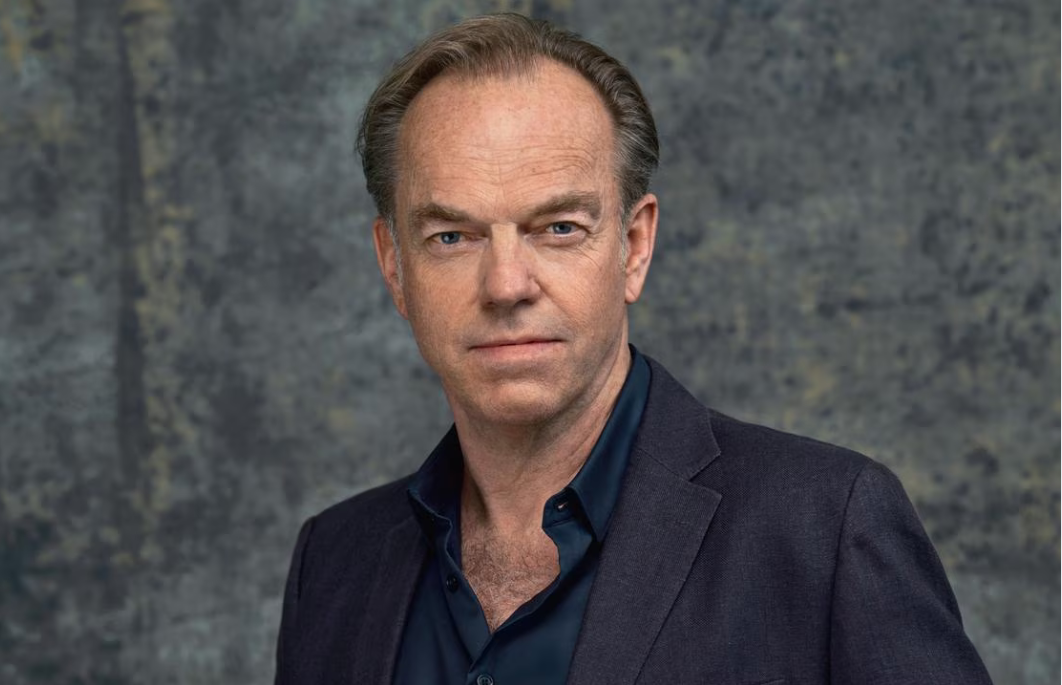
Hugo Weaving is an acclaimed Australian actor known for his remarkable versatility across independent cinema, international blockbusters, dramas and fantasy films. Born in Nigeria in 1960 and raised partly in Australia, he built his reputation through Australian productions before becoming internationally recognised for his performances in The Matrix and The Lord of the Rings trilogies. His portrayal of Agent Smith established him as one of science fiction’s most memorable screen antagonists, while his performance as Elrond introduced him to audiences around the world of Middle-earth. Beyond these celebrated franchises, Weaving has appeared in comedies, crime thrillers, historical dramas, animated films and character-driven Australian productions. His career also includes voice acting, with notable roles in Babe and the Transformers films. This chronological guide to Hugo Weaving movies by year covers his released feature films, including lesser-known early appearances and later independent projects.
1980 — …Maybe This Time
Hugo Weaving’s earliest listed screen-film credit is …Maybe This Time, an Australian drama in which he appears as Student 2. The production belongs to the beginning of his acting career, before he became widely known for major international films. It represents an early step in his progression towards more substantial screen roles.
1983 — The City’s Edge
In The City’s Edge, Weaving plays Andy White in an Australian feature exploring life and relationships in an urban setting. The film is among his early screen appearances, when he was still developing the distinctive acting style that would later define his career. It provides an example of his early work in Australian cinema.
1986 — For Love Alone
Directed by Stephen Wallace, For Love Alone is a romantic drama based on Christina Stead’s novel of the same name. Weaving plays Jonathan Crow, appearing alongside a cast led by Helen Buday and Sam Neill. The film follows a young woman’s search for independence and love, establishing an early connection between Weaving and literary adaptations.
1987 — The Right Hand Man
The Right Hand Man is an Australian period drama directed by Di Drew, featuring Weaving as Ned Devine. Set in colonial Australia, the story explores class, personal ambition and complicated relationships within a wealthy household. The production gave Weaving experience in historical storytelling well before his later fantasy and period-film performances.
1990 — …Almost
Also known as Wendy Cracked a Walnut, this Australian fantasy comedy features Weaving as Jake. Directed by Michael Pattinson, the film follows a woman whose life changes after an encounter involving a magical wish. It combines comedy and fantasy, offering an early example of Weaving’s work in a lighter, more unconventional genre.
1991 — Proof
Directed by Jocelyn Moorhouse, Proof stars Weaving as Martin, a blind photographer who relies on others to describe the world around him. His relationship with his housekeeper and a restaurant worker becomes increasingly complicated as questions of honesty, friendship and trust emerge. Weaving’s performance earned major recognition in Australian cinema and helped establish him as a compelling dramatic actor.
1992 — Road to Alice
Road to Alice is an Australian drama featuring Weaving as Louis, a character in a story centred on relationships and personal circumstances. Although less internationally recognised than his later films, it forms part of his early feature-film career. The production illustrates his continued involvement in Australian cinema during the years before his international breakthrough.
1993 — Frauds
In Frauds, directed by Stephan Elliott, Weaving plays Jonathan Wheats, a man caught up in a story involving deception and manipulation. The Australian thriller also stars Phil Collins and Josephine Byrnes, using dark humour and suspense to examine the consequences of meddling in other people’s lives. It was an important early collaboration with Elliott, who would later direct Weaving in The Adventures of Priscilla, Queen of the Desert.
1993 — Reckless Kelly
Directed by Yahoo Serious, Reckless Kelly is a satirical Australian comedy loosely inspired by the legendary outlaw Ned Kelly. Weaving plays Sir John, appearing in a story that mixes Australian cultural references with exaggerated criminal escapades. The film showcases his ability to work within broad comedy, a quality that would become especially visible in his later Australian productions.
1993 — The Custodian
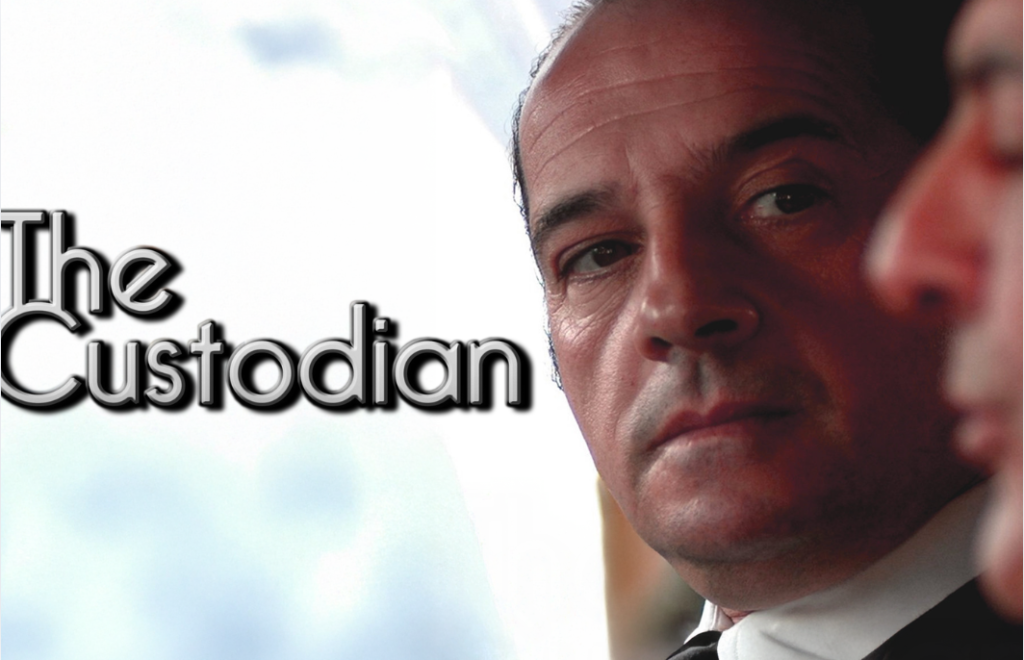
The Custodian, directed by John Dingwall, is an Australian crime drama featuring Weaving as Detective Frank Church. The story examines police corruption and the pressures surrounding an investigation into misconduct within the force. Its serious subject matter gave Weaving another opportunity to demonstrate his range in grounded, character-driven drama.
1994 — Exile
In the Australian drama Exile, Weaving plays Innes in a story concerned with separation, displacement and the effects of difficult personal circumstances. The film belongs to the period when he was establishing himself as a reliable performer in local productions. Although it attracted less international attention than his later work, it remains part of his early feature-film record.
1994 — The Adventures of Priscilla, Queen of the Desert
Director: Stephan Elliott | Genre: Comedy, road film
Weaving plays Anthony “Tick” Belrose, also known as Mitzi Del Bra, a drag performer who travels across the Australian outback with two fellow performers. Starring alongside Terence Stamp and Guy Pearce, he delivers a warm, nuanced performance in a film celebrated for its humour, music and exploration of identity and acceptance. The production became an international success and remains one of the defining works of Australian cinema, significantly raising Weaving’s profile.
1994 — What’s Going On, Frank?
This Australian production features Weaving in the small role of a strange packer in a supermarket. Unlike the larger dramatic and comedic roles that helped establish his reputation, the appearance is a minor credit in his growing filmography. It is nevertheless worth noting when tracing his early screen work comprehensively.
1995 — Babe
Director: Chris Noonan | Genre: Family, comedy
In Babe, Weaving provides the voice of Rex, the sheepdog who initially doubts the young pig’s ability to become a sheepdog. The family film follows Babe as he challenges expectations on a farm and wins the trust of the animals around him. Its international success brought Weaving’s voice acting to a much wider audience, and the film received an Academy Award nomination for Best Picture.
1997 — True Love and Chaos
Directed by Stavros Kazantzidis, True Love and Chaos features Weaving as Morris in an Australian road movie about young people navigating relationships, uncertainty and personal change. The film blends romance, drama and elements of comedy while following characters searching for direction in their lives. It represents another independent Australian production in Weaving’s pre-Hollywood career.
1998 — Babe: Pig in the City
In this sequel to Babe, Weaving returns as the voice of Rex, the sheepdog who accompanies Babe into a challenging urban environment. Directed by George Miller, the film moves away from the first movie’s farm setting and places its characters among a variety of animals in a bustling city. Although darker and more unusual in tone than its predecessor, it continues Weaving’s involvement in one of his best-known family-film roles.
1998 — Bedrooms and Hallways
Directed by Rose Troche, Bedrooms and Hallways is a British romantic comedy featuring Weaving as Jeremy. The story follows a group of friends whose relationships become complicated by questions of attraction, sexuality and emotional honesty. Its ensemble approach and contemporary themes distinguish it from the large-scale action films for which Weaving would later become famous.
1998 — The Interview
Director: Craig Monahan | Genre: Psychological thriller
Weaving plays Eddie Rodney Fleming, a man subjected to an intense police interrogation after being arrested in connection with a serious crime. The film centres on the shifting balance of power between the suspect and the detectives attempting to establish the truth. His controlled, unsettling performance earned considerable acclaim and helped demonstrate his ability to carry a psychologically demanding leading role.
1998 — The Kiss
The Kiss is an Australian feature in which Weaving plays Frank. The film explores relationships and the emotional consequences of decisions made between people who are closely connected. Though less widely seen than The Interview, it adds another dramatic performance to his late-1990s filmography.
1999 — Strange Planet
Directed by Emma-Kate Croghan, Strange Planet features Weaving as Steven in an ensemble romantic comedy set in Melbourne. The story follows several characters as they navigate relationships, personal ambitions and the unpredictable nature of modern romance. It is an example of Weaving’s continued work in Australian independent cinema just as his international career was taking off.
1999 — The Matrix
Directors: Lana Wachowski and Lilly Wachowski | Genre: Science fiction, action
Weaving plays Agent Smith, a powerful artificial intelligence who pursues Neo, played by Keanu Reeves, after Neo begins questioning the reality of his world. The film combines cyberpunk ideas, philosophical questions and groundbreaking action sequences in a story about humanity’s struggle against machine control. Its international success transformed Weaving into a global star and established Agent Smith as one of modern science fiction’s most recognisable villains.
2000 — The Magic Pudding
In this Australian animated family film, Weaving provides the voice of Bill Barnacle, a sailor who becomes involved in an adventure surrounding a remarkable pudding that continually replenishes itself. Directed by Karl Zwicky, the film adapts Norman Lindsay’s classic Australian children’s book. It highlights Weaving’s versatility in voice performance and his continuing connection to Australian literary and family entertainment.
2001 — Russian Doll
Russian Doll is an Australian drama directed by Stavros Kazantzidis, with Weaving playing Harvey. The story centres on a man whose life becomes entangled with other people’s circumstances, exploring chance encounters, relationships and the consequences of personal decisions. The film belongs to his more understated work, away from the large-scale fantasy and science-fiction productions that soon became central to his public image.
2001 — The Old Man Who Read Love Stories
Directed by Rolf de Heer, this drama is based on Luis Sepúlveda’s novel and stars Richard Dreyfuss as Antonio Bolivar. Weaving plays Rubicondo, a dentist in a remote Amazonian community, in a story that explores isolation, cultural encounters and the relationship between humans and nature. The film adds an international literary adaptation to his career and demonstrates his willingness to take on supporting roles in distinctive productions.
2001 — The Lord of the Rings: The Fellowship of the Ring
Director: Peter Jackson | Genre: Fantasy, adventure
Weaving portrays Elrond, the wise Elven lord of Rivendell, in the first instalment of Peter Jackson’s adaptation of J. R. R. Tolkien’s fantasy trilogy. Elrond helps guide the Fellowship’s mission and brings a sense of history and caution to the growing conflict surrounding the One Ring. The film’s worldwide success introduced Weaving to another enormous audience and began his enduring association with Middle-earth.
2002 — The Lord of the Rings: The Two Towers
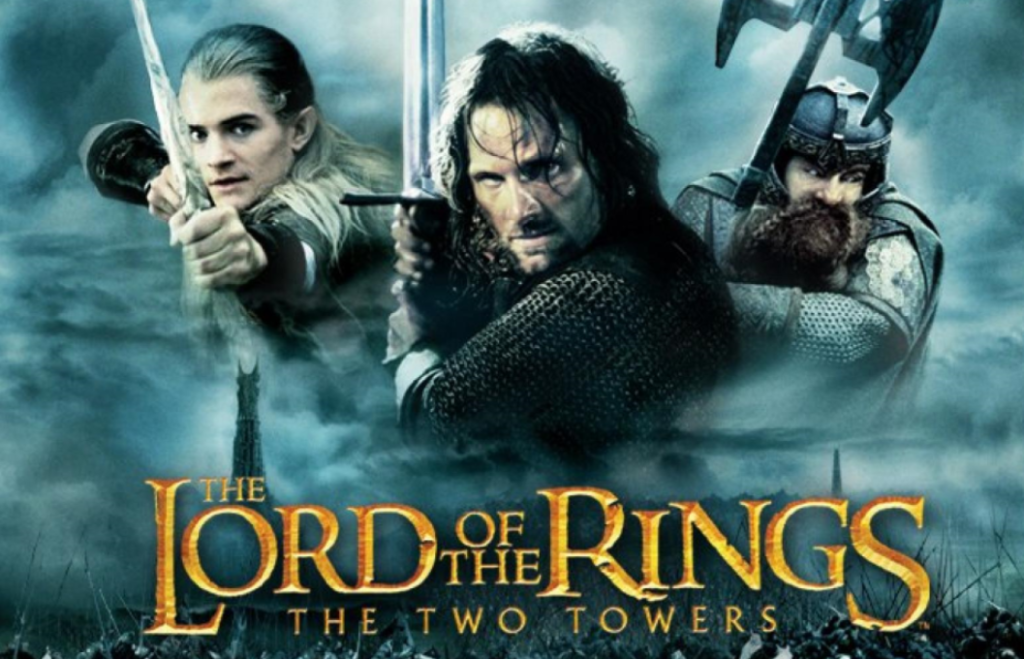
Weaving returns as Elrond in the second instalment of the fantasy trilogy, which follows the Fellowship’s fractured members as war spreads across Middle-earth. His character advises Arwen and remains deeply concerned about the danger posed by Sauron’s growing power. Although Elrond has a supporting role, his presence connects the film’s personal choices with the larger struggle between good and evil.
2003 — The Matrix Reloaded
Directors: Lana Wachowski and Lilly Wachowski | Genre: Science fiction, action
Weaving reprises his role as Agent Smith, who has evolved into a more dangerous and independent threat following the events of the original film. As Neo and his allies seek answers about the Matrix, Smith’s expanding abilities complicate their mission and intensify the conflict. The sequel builds on the first film’s elaborate action, digital effects and questions about free will.
2003 — The Matrix Revolutions
The third main film in the original Matrix trilogy continues the conflict between humanity, the machines and Agent Smith. Weaving’s performance takes centre stage as Smith’s power grows and his ambitions threaten both the simulated world and the wider system. The film brings the original storyline to its conclusion, cementing Agent Smith as one of Weaving’s signature roles.
2003 — The Lord of the Rings: The Return of the King
Peter Jackson’s final film in the original Lord of the Rings trilogy features Weaving once again as Elrond. As the forces opposing Sauron prepare for the decisive battle, Elrond helps deliver Andúril to Aragorn, supporting the latter’s acceptance of his royal destiny. The film won 11 Academy Awards, including Best Picture, and completed one of the most celebrated fantasy trilogies in cinema history.
2004 — Everything Goes
Everything Goes is an Australian short film directed by Andrew Kotatko, featuring Weaving as Ray. The story examines an encounter between strangers and the unexpected emotions that emerge during an ordinary journey. Because it is a short film rather than a conventional feature, it is best understood as a supplementary credit in his broader screen career.
2004 — Peaches
Directed by Craig Monahan, Peaches is an Australian drama featuring Weaving as Alan. The story explores family relationships, unresolved memories and the complicated ways people understand their past. It is a smaller-scale production that reflects his continuing interest in character-driven Australian cinema alongside his growing international fame.
2005 — Little Fish
Director: Rowan Woods | Genre: Crime drama
Weaving plays Lionel Dawson in this Australian drama starring Cate Blanchett as Tracy, a woman attempting to build a new life after struggling with addiction. Set in a community shaped by financial hardship and past mistakes, the film examines family loyalty, crime and the possibility of personal recovery. Weaving’s performance contributes to the film’s restrained, realistic portrayal of people trying to escape their circumstances.
2006 — V for Vendetta
Director: James McTeigue | Genre: Political thriller, science fiction
Weaving stars as V, a masked revolutionary who challenges an authoritarian government in a dystopian Britain. Although his face remains concealed for most of the film, his voice, physical performance and carefully controlled delivery give the character a distinctive presence alongside Natalie Portman’s Evey Hammond. Adapted from the graphic novel by Alan Moore and David Lloyd, the film became a notable entry in political science fiction and one of Weaving’s most recognisable leading roles.
2006 — Happy Feet
Directed by George Miller, this animated musical comedy features Weaving as the voice of Noah, the penguin elder who leads the emperor penguin community. The story follows Mumble, a penguin whose inability to sing sets him apart but whose extraordinary dancing eventually becomes important to his survival. The film combines music, comedy and environmental themes, winning the Academy Award for Best Animated Feature.
2007 — Transformers
Director: Michael Bay | Genre: Science fiction, action
Weaving voices Megatron, the formidable leader of the Decepticons, in the live-action adaptation of the popular Transformers franchise. The story follows the conflict between the Autobots and Decepticons as their search for a powerful artefact brings them into contact with humans, including Sam Witwicky, played by Shia LaBeouf. Weaving’s deep, commanding voice helped establish Megatron as a menacing antagonist in the film series.
2007 — In the Company of Actors
This documentary examines the work of the Sydney Theatre Company as its performers prepare a production of Henrik Ibsen’s Hedda Gabler. Weaving appears as himself and participates in the film’s exploration of rehearsal, collaboration and the demands of stage acting. The documentary provides a useful look at his theatrical background, which has remained an important part of his professional life.
2008 — The Tender Hook
Directed by Jonathan Ogilvie, The Tender Hook is an Australian period crime drama featuring Weaving as McHeath. Set in Sydney during the 1920s, it follows a woman involved in a dangerous relationship with a boxer and a criminal underworld shaped by ambition and violence. The film offered Weaving another opportunity to work in a stylised Australian production with historical and noir influences.
2009 — Transformers: Revenge of the Fallen
Weaving returns as the voice of Megatron in the second live-action Transformers film. The sequel follows Sam Witwicky and his allies as they uncover an ancient threat connected to the Transformers’ history on Earth. Megatron’s return strengthens the Decepticons’ campaign and continues Weaving’s contribution to one of the decade’s major action franchises.
2009 — Last Ride
Director: Glendyn Ivin | Genre: Drama, road film
Weaving plays Kev, a father on the run with his young son, Chook, in this Australian drama adapted from Denise Young’s novel. Their journey through the Australian landscape gradually reveals the difficulties in their relationship and the consequences of Kev’s choices. The film is notable for its intimate storytelling and Weaving’s emotionally complex portrayal of a flawed parent.
2010 — The Wolfman
Directed by Joe Johnston, The Wolfman is a gothic horror film in which Weaving plays Inspector Francis Abberline. The story follows Lawrence Talbot, played by Benicio del Toro, who returns to his family estate and becomes entangled in a series of violent events connected to a werewolf legend. Weaving’s character investigates the crimes, adding a detective element to the film’s supernatural mystery.
2010 — Legend of the Guardians: The Owls of Ga’Hoole
In Zack Snyder’s animated fantasy film, Weaving voices Noctus and Grimble. The story follows Soren, a young owl who dreams of joining the legendary Guardians and protecting his kind from a threatening regime. With its elaborate animation and epic fantasy setting, the film offered Weaving another prominent voice-acting opportunity outside his better-known live-action franchises.
2010 — Oranges and Sunshine
Director: Jim Loach | Genre: Historical drama
Weaving plays Jack, a character connected to the real-life experiences of children sent from Britain to Australia under controversial child-migration programmes. The film stars Emily Watson as social worker Margaret Humphreys, whose investigation helped reunite former child migrants with their families. Its serious subject matter and historical basis distinguish it from Weaving’s fantasy and action work.
2011 — The Key Man
Weaving plays Vincent in this independent thriller directed by Peter Himmelstein. The story follows a family whose lives become entangled with a mysterious man and a scheme involving manipulation and danger. The film is a lesser-known entry in Weaving’s filmography, illustrating his continued involvement in smaller productions during his busiest years in major franchises.
2011 — Captain America: The First Avenger
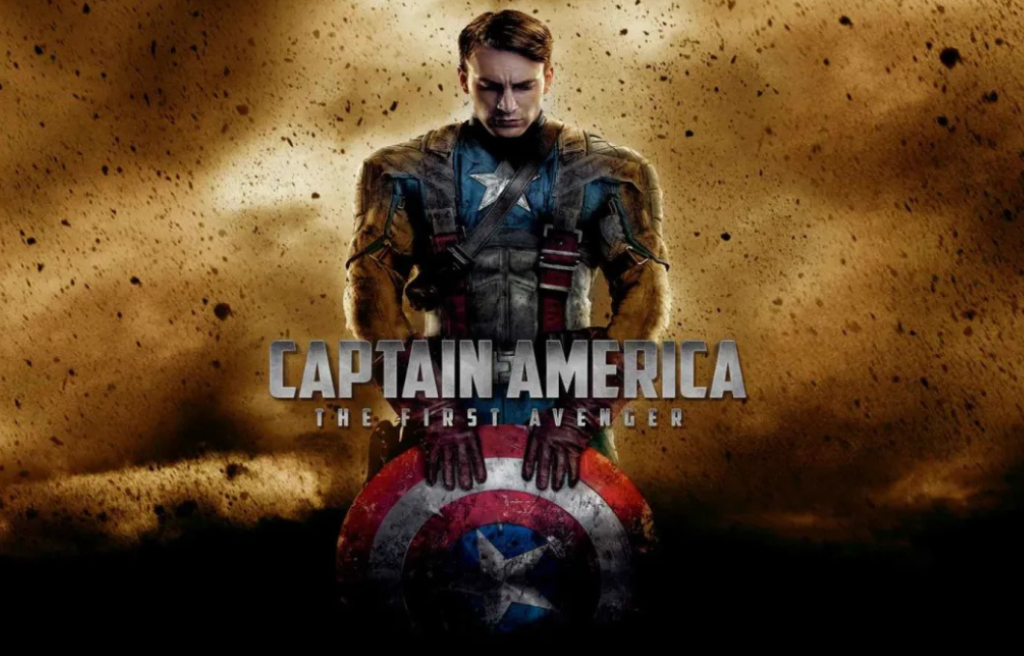
Director: Joe Johnston | Genre: Superhero, action
Weaving portrays Johann Schmidt, better known as the Red Skull, the leader of the Nazi organisation HYDRA. Set largely during the Second World War, the film follows Steve Rogers, played by Chris Evans, as he becomes Captain America and fights to prevent Schmidt from using a powerful energy source for world domination. Weaving’s performance gives the Marvel villain a theatrical menace and makes him a central antagonist in the early Marvel Cinematic Universe.
2011 — Transformers: Dark of the Moon
Weaving voices Megatron for the third instalment in Michael Bay’s original live-action Transformers series. The story reveals a hidden connection between the Autobots, the Decepticons and the space race, leading to a major confrontation on Earth. Megatron remains a significant threat as the film builds towards its large-scale battle in Chicago.
2011 — Happy Feet Two
Weaving reprises his voice role as Noah in this animated sequel directed by George Miller. The film follows Mumble’s son, Erik, as he struggles to find his place in the penguin community while a new danger threatens their home. Noah’s position as a respected elder connects the sequel to the original film’s themes of community, courage and belonging.
2012 — Cloud Atlas
Directors: Lana Wachowski, Lilly Wachowski and Tom Tykwer | Genre: Science fiction, drama
Weaving takes on several roles in this ambitious adaptation of David Mitchell’s novel, including Haskell Moore, Tadeusz Kesselring, Bill Smoke, Nurse Noakes, Boardman Mephi and Old Georgie. The film interweaves six stories across different periods, exploring how human actions, relationships and struggles for freedom echo through time. His transformations between characters demonstrate his range and make the film one of the most distinctive projects in his career.
2012 — The Hobbit: An Unexpected Journey
Peter Jackson’s fantasy adventure brings Weaving back as Elrond, the Elven lord of Rivendell. The story follows Bilbo Baggins, played by Martin Freeman, as he joins Thorin Oakenshield and a company of dwarves on a quest to reclaim their homeland from the dragon Smaug. Elrond provides assistance and knowledge during the group’s journey, connecting the film to Weaving’s earlier appearances in The Lord of the Rings.
2013 — The Hobbit: The Desolation of Smaug
Weaving returns as Elrond in the second film of The Hobbit trilogy. As Bilbo and the dwarves move closer to the Lonely Mountain, the quest becomes increasingly dangerous and the threat posed by Smaug grows. Although Elrond’s screen time is limited, his role maintains continuity with the wider Middle-earth story.
2013 — Mystery Road
Director: Ivan Sen | Genre: Crime thriller
In Mystery Road, Weaving plays Johnno, a police officer in an Australian outback town. The film follows Indigenous detective Jay Swan, portrayed by Aaron Pedersen, as he investigates the death of a young woman and uncovers tensions within the local community. Its atmospheric direction and exploration of justice, prejudice and institutional power made it a notable Australian crime film.
2013 — The Turning
Directed by multiple filmmakers and based on stories by Tim Winton, The Turning is an Australian anthology film featuring Weaving as Bob Lang. The production connects a series of stories set in a coastal Western Australian community, examining family tensions, relationships and moments of personal change. Its ensemble format and literary foundation make it distinct from conventional narrative films.
2014 — Healing
Directed by Craig Monahan, Healing features Weaving as Senior Officer Matt Perry, a prison officer involved in a rehabilitation programme for long-term inmates. The story follows prisoners who work with injured birds of prey as part of an initiative intended to help them develop responsibility and emotional stability. The film focuses on rehabilitation, compassion and second chances rather than the action-driven conflicts found in many of Weaving’s international productions.
2014 — The Mule
Weaving plays Tom Croft in this Australian crime comedy directed by Tony Mahony and Angus Sampson. The story follows a man suspected of drug smuggling who is detained by police and faces an increasingly uncomfortable investigation. Blending dark humour with tension, the film explores the lengths people will go to protect themselves when trapped by their own decisions.
2014 — The Hobbit: The Battle of the Five Armies
Director: Peter Jackson | Genre: Fantasy, adventure
Weaving completes his return to Middle-earth as Elrond in the final instalment of The Hobbit trilogy. The story follows the aftermath of Smaug’s attack and the struggle among dwarves, elves, humans and orcs over the Lonely Mountain and its treasure. The film concludes Bilbo’s central adventure and connects the events of The Hobbit with the wider history explored in The Lord of the Rings.
2015 — Strangerland
Directed by Kim Farrant, Strangerland features Weaving as Detective David Rae, who investigates the disappearance of two children from a remote Australian town. Nicole Kidman and Joseph Fiennes play the children’s parents, whose family comes under intense scrutiny as the search unfolds. The psychological thriller uses its harsh landscape and growing uncertainty to explore grief, suspicion and the strain placed on a family in crisis.
2015 — The Dressmaker
Director: Jocelyn Moorhouse | Genre: Comedy, drama
Weaving plays Sergeant Horatio Farrat, a local police officer in an isolated Australian town in the 1950s. The film stars Kate Winslet as Tilly Dunnage, a talented dressmaker who returns home and confronts the people connected to her troubled past. Farrat becomes an unexpected ally, and Weaving’s performance brings warmth and humour to a story that combines revenge, fashion, small-town prejudice and tragedy.
2016 — Hacksaw Ridge
Directed by Mel Gibson, Hacksaw Ridge features Weaving as Tom Doss, the father of American army medic Desmond Doss. The historical war drama follows Desmond, played by Andrew Garfield, a conscientious objector who serves during the Second World War without carrying a weapon. Weaving portrays a troubled father whose own wartime experiences influence the family’s strained relationships, adding emotional depth to the film’s account of courage and conviction.
2017 — Jasper Jones
Weaving plays Mad Jack Lionel in this Australian mystery drama directed by Rachel Perkins. Adapted from Craig Silvey’s novel, the film follows teenager Charlie Bucktin as he becomes involved in a troubling discovery that exposes prejudice and hidden secrets in a rural community. Lionel is a mysterious and feared local figure whose role becomes important to Charlie’s understanding of the events around him.
2018 — Black ’47
Director: Lance Daly | Genre: Historical drama, western
Set during the Great Irish Famine, Black ’47 features Weaving as Hannah, a former soldier who becomes involved in the pursuit of an Irish deserter. The film follows Martin Feeney, played by James Frecheville, as he returns to Ireland and confronts the devastating conditions facing his family and country. Weaving’s character contributes to a grim story of colonial power, vengeance and survival.
2018 — Mortal Engines
Directed by Christian Rivers, Mortal Engines stars Weaving as Thaddeus Valentine, a powerful figure in a futuristic world where mobile cities hunt smaller settlements for resources. The story follows Hester Shaw and Tom Natsworthy as they uncover a dangerous plan that threatens the balance of this post-apocalyptic society. Adapted from Philip Reeve’s novel, the film features elaborate visual effects and another antagonist role for Weaving.
2019 — Hearts and Bones
Director: Ben Lawrence | Genre: Drama
Weaving plays Daniel Fisher, a war photographer whose experiences abroad have left him carrying difficult memories. When he prepares for an exhibition, he encounters a South Sudanese man whose past raises moral questions about photography, trauma and the responsibilities of documenting suffering. The film examines the limits of personal disclosure and the complicated relationship between witnesses and the people whose lives they record.
2019 — Measure for Measure
Directed by Paul Ireland, this Australian drama reimagines Shakespeare’s play in a contemporary Melbourne housing estate. Weaving plays the Duke, a powerful figure connected to a story about authority, corruption, relationships and social inequality. The film relocates the play’s moral conflicts to a modern urban environment, demonstrating Weaving’s continued involvement in ambitious independent cinema.
2021 — Lone Wolf
Weaving plays a police minister in Lone Wolf, an Australian political thriller directed by Jonathan Ogilvie. The film follows a young man who becomes involved in a surveillance operation targeting a politician, raising questions about privacy, government power and personal responsibility. Weaving’s supporting role contributes to the film’s exploration of political influence and modern technology.
2021 — The Matrix Resurrections
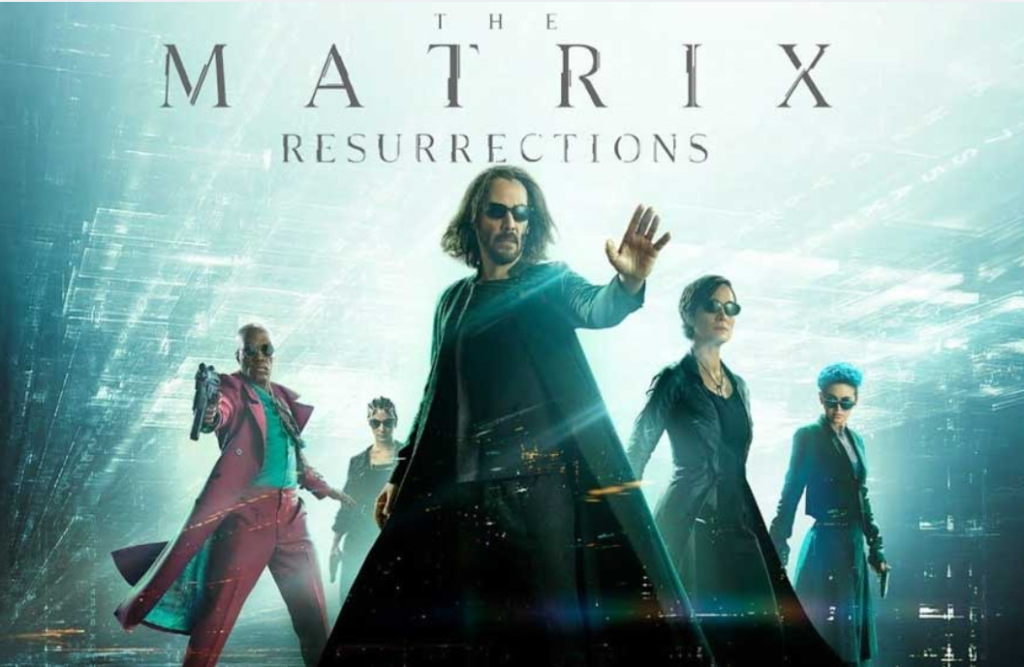
Weaving does not reprise Agent Smith in a newly filmed performance in this fourth Matrix film. Instead, the movie includes archive footage of him as the character, while Jonathan Groff portrays the new version of Smith. The distinction matters when documenting his filmography, as his appearance is archival rather than a conventional on-screen performance filmed for the sequel.
2022 — Loveland (also known as Expired)
Directed by Ivan Sen, this science-fiction romance features Weaving as Dr. Michael Bergman. Set in a futuristic Hong Kong, the story follows a contract killer whose encounter with a woman leads him to question his past and his future. Released under the title Loveland in some markets and Expired in others, the film combines romance, crime and speculative science fiction.
2023 — The Royal Hotel
Director: Kitty Green | Genre: Thriller
Weaving plays Billy, the manager of a remote Australian pub, in this psychological thriller starring Julia Garner and Jessica Henwick. The story follows two Canadian backpackers who accept temporary work at the pub and gradually become uncomfortable with the behaviour of its male patrons. The film examines gender dynamics, intimidation and personal safety, with Weaving’s character forming part of the increasingly tense atmosphere.
2023 — The Rooster
Directed by Mark Leonard Winter, The Rooster features Weaving as the Hermit, a reclusive man living in the Australian bush. The story centres on a police officer who reconnects with the Hermit while attempting to understand the death of a friend. The film combines dark humour with a reflective exploration of grief, masculinity and the possibility of personal change.
2024 — How to Make Gravy
Director: Nick Waterman | Genre: Drama
Weaving plays Noel in this Australian film adaptation inspired by Paul Kelly’s celebrated song of the same name. The story follows a family gathering during the Christmas period, with the absence of a loved one shaping the emotions and conversations around the table. The film draws on themes of family, regret and reconciliation, adding a contemporary Australian drama to Weaving’s later career.
Conclusion
Hugo Weaving’s film career spans more than four decades, moving from early Australian productions to internationally successful franchises and acclaimed independent dramas. His performances as Agent Smith in The Matrix, Elrond in The Lord of the Rings and The Hobbit, V in V for Vendetta and Red Skull in Captain America: The First Avenger established him as a familiar presence in global cinema. At the same time, films such as Proof, The Interview, Little Fish and The Dressmaker demonstrate his strength in intimate, character-focused storytelling. Reviewing Hugo Weaving movies by year reveals a career defined by versatility, distinctive performances and a lasting connection to Australian film.
