


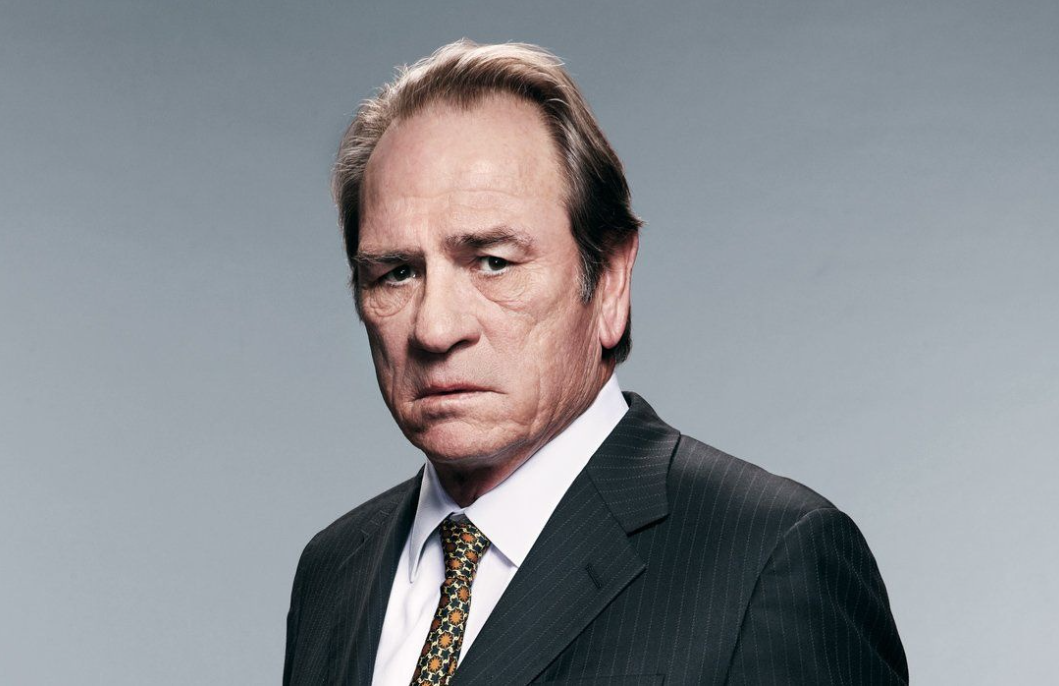
Tommy Lee Jones is an American actor and filmmaker known for his commanding screen presence, understated performances, and memorable roles in crime dramas, westerns, action films, and historical productions. His film career began with Love Story in 1970, and he gradually established himself as a versatile character actor before becoming a major Hollywood star during the 1990s. He earned widespread recognition for playing U.S. Marshal Samuel Gerard in The Fugitive, a performance that won him the Academy Award for Best Supporting Actor. Jones also became internationally famous as Agent K in the Men in Black franchise and later appeared in acclaimed films such as No Country for Old Men, Lincoln, and Ad Astra. Alongside acting, he has worked as a director, screenwriter, and producer, bringing a distinctive perspective to films including The Three Burials of Melquiades Estrada and The Homesman. This chronological guide to Tommy Lee Jones movies by year covers his released feature-film appearances, including lesser-known early productions, supporting roles, voice performances, and documentary appearances where relevant.
1970 — Love Story
Tommy Lee Jones made his feature-film debut in Love Story, a romantic drama directed by Arthur Hiller and starring Ali MacGraw and Ryan O’Neal. He played Hank Simpson, a Harvard student and roommate of the central character, Oliver Barrett IV. Although his role was relatively small, the film became a major box-office success and earned several Academy Award nominations. It marked the beginning of a screen career that would eventually span more than five decades.
1973 — Life Study
In Life Study, Jones played Gus in an early independent film directed by Michael Nebbia. The drama is among the lesser-known titles from his early career, preceding the more prominent Hollywood productions that established his reputation. It offers a glimpse of his work before he became widely recognised for playing tough, authoritative characters.
1975 — Eliza’s Horoscope
Jones appeared as Tommy Lee in Eliza’s Horoscope, a comedy-drama directed by Gordon Sheppard. The film belongs to the relatively obscure portion of his early filmography, when he was still building experience through smaller productions. It predates the crime dramas and major studio films that would later define much of his career.
1976 — Jackson County Jail
Directed by Michael Miller, Jackson County Jail is a crime thriller featuring Jones as Coley Blake. The story follows a woman who becomes stranded and imprisoned after travelling through a small town, exposing corruption and abuse of authority. Jones plays a threatening character in a film built around exploitation, suspense, and survival. It was an early opportunity for him to demonstrate the intensity that became a hallmark of his performances.
1977 — Rolling Thunder
In John Flynn’s crime thriller Rolling Thunder, Jones played Master Sergeant Johnny Vohden, a fellow veteran of the Vietnam War. The film stars William Devane as Major Charles Rane, a returning prisoner of war whose attempt to resume civilian life turns into a violent quest for revenge. Jones’s supporting role places him within a story exploring military brotherhood, trauma, and retribution. The film later gained a strong following among admirers of gritty 1970s crime cinema.
1978 — The Betsy
Jones portrayed Angelo Perino in The Betsy, a drama directed by Daniel Petrie and based on the novel by Harold Robbins. The story centres on a wealthy automobile dynasty, family rivalries, and the development of a new car intended to secure the company’s future. Jones appears alongside Laurence Olivier, Robert Duvall, and Katharine Ross. The production gave him experience working in an ensemble cast led by established Hollywood performers.
1978 — Eyes of Laura Mars
In Eyes of Laura Mars, Jones played Detective John Neville opposite Faye Dunaway. Directed by Irvin Kershner, the thriller follows a successful fashion photographer who begins experiencing disturbing visions connected to a series of murders. As the investigation progresses, Neville becomes involved in uncovering the truth behind the killings. The film is remembered for its stylish photography, suspenseful atmosphere, and exploration of violence in the fashion industry.
1980 — Coal Miner’s Daughter
Jones delivered one of his early widely recognised performances as Oliver “Doolittle” Lynn in Coal Miner’s Daughter. Directed by Michael Apted, the biographical musical drama stars Sissy Spacek as country music singer Loretta Lynn and follows her journey from a modest upbringing to national fame. Jones portrays Loretta’s husband, whose complicated relationship with her career forms an important part of the story. The film received substantial critical acclaim, and Spacek won the Academy Award for Best Actress.
1980 — Barn Burning
Jones played Abner Snopes in Barn Burning, a short film directed by Charles Burnett and adapted from William Faulkner’s short story. The drama examines a troubled father whose destructive behaviour places his family under pressure. Unlike the feature films in this list, it is a short-form production and is included to distinguish it from his conventional theatrical roles. Its literary source and restrained storytelling make it a notable early screen appearance.
1981 — Back Roads
Directed by Martin Ritt, Back Roads stars Sally Field as a woman who becomes involved with a drifter played by Jones. His character, Elmore Pratt, is a working-class man whose impulsive behaviour leads to an unconventional romantic relationship. The film blends comedy, romance, and road-movie elements while exploring the difficulties faced by two people living outside conventional expectations. It also reunited Jones with a director known for character-focused American dramas.
1983 — Nate and Hayes
Jones played Captain Bully Hayes in Nate and Hayes, an adventure film directed by Ferdinand Fairfax and also released under the title Savage Islands. The story follows a missionary and a sailor who join forces to rescue a kidnapped woman in the South Pacific. Jones’s character is a charismatic, unpredictable sea captain whose skills become crucial to the adventure. The film showcases his ability to play a larger-than-life character in an action-oriented setting.
1984 — The River Rat
In The River Rat, Jones portrayed Billy, a man whose return to a small Southern community brings unresolved questions about his past. Directed by Thomas Rickman, the drama stars Tommy Lee Jones alongside Martha Plimpton and Brian Dennehy. Its story combines family tensions with mystery as a young girl tries to understand the father who has re-entered her life. The film represents a quieter, character-driven entry in his filmography.
1986 — Black Moon Rising
Jones played Sam Quint in Black Moon Rising, a science-fiction action thriller directed by Harley Cokeliss. The plot centres on a high-tech vehicle containing sensitive information, which becomes the target of criminals and corporate interests. Jones’s character is a professional thief caught in the middle of the increasingly dangerous pursuit. The film pairs futuristic technology with the fast-paced action style popular in mid-1980s Hollywood.
1987 — The Big Town
Directed by Ben Bolt, The Big Town features Jones as George Cole, a powerful figure in a story set in the world of gambling and nightlife. The film follows a young craps player, played by Matt Dillon, whose ambitions draw him into a complicated web of relationships and rivalries. Jones contributes to the film’s tense atmosphere through his portrayal of a character with influence over the surrounding world. The drama also stars Diane Lane and Tommy Lee Jones in one of his earlier substantial supporting roles.
1988 — Stormy Monday
In Mike Figgis’s crime drama Stormy Monday, Jones played Francis Cosmo, a businessman with criminal connections. Set in Newcastle upon Tyne, the film follows a young club employee who becomes entangled in a dispute involving an American investor and organised crime. Jones appears alongside Melanie Griffith, Sting, and Sean Bean. The film is notable for its atmospheric direction, jazz-inflected soundtrack, and international cast.
1989 — The Package
Jones portrayed Thomas Boyette in The Package, a political action thriller directed by Andrew Davis. The film stars Gene Hackman as a military sergeant assigned to transport a prisoner, only to discover a larger conspiracy involving political assassinations. Jones plays a dangerous operative whose actions contribute to the mounting suspense. The production anticipated the political and law-enforcement thrillers that became an important part of his later career.
1990 — Fire Birds
In Fire Birds, Jones played Captain Brad Little, an experienced helicopter pilot and instructor. Directed by David Green, the action film stars Nicolas Cage as a military pilot training to fight drug traffickers using advanced helicopters. Jones’s character helps prepare the younger pilot for a dangerous mission. The film combines military aviation, action sequences, and a storyline inspired by the US Army’s development of attack-helicopter capabilities.
1991 — JFK
Jones portrayed Clay Shaw, also associated with the name Clay Bertrand, in Oliver Stone’s political thriller JFK. The film investigates the assassination of President John F. Kennedy through the perspective of New Orleans district attorney Jim Garrison, played by Kevin Costner. Jones’s performance brings an unsettling presence to the controversial businessman whose alleged connections to the assassination become central to the narrative. His work earned him an Academy Award nomination for Best Supporting Actor and helped raise his profile as a major dramatic performer.
1992 — Under Siege
Jones took on the role of William “Bill” Strannix in Under Siege, an action thriller directed by Andrew Davis. Steven Seagal stars as Casey Ryback, a former Navy SEAL working as a ship’s cook who must stop terrorists from seizing a battleship. Jones plays the charismatic but ruthless leader of the operation, giving the film a memorable antagonist. His energetic performance helped establish him as an effective villain in mainstream action cinema.
1993 — The Fugitive
In The Fugitive, Jones played U.S. Deputy Marshal Samuel Gerard, the determined lawman pursuing Dr Richard Kimble, portrayed by Harrison Ford. Directed by Andrew Davis, the thriller follows Kimble as he escapes custody after being wrongly convicted of murdering his wife and attempts to find the real killer. Gerard is relentless but professional, gradually recognising that the case is more complicated than it first appears. Jones won the Academy Award for Best Supporting Actor for his performance, which became one of the defining roles of his career.
1993 — Heaven & Earth
Jones appeared as Steve Butler in Heaven & Earth, the final instalment of Oliver Stone’s Vietnam War trilogy. The film follows Vietnamese woman Le Ly Hayslip, played by Hiep Thi Le, through war, displacement, and her eventual life in the United States. Jones portrays an American serviceman who becomes her husband. The drama approaches the conflict through the experiences of Vietnamese civilians and the lasting personal consequences of war.
1993 — House of Cards
Directed by Michael Lessac, House of Cards features Jones as Jake Beerlander. The drama centres on a young girl who struggles to reconnect with the world after a traumatic family experience, while her mother seeks help for her. Jones appears in a supporting role in this family-focused story, which contrasts with the darker thrillers that dominated many of his other appearances during the period. The film is a less widely known entry in his 1990s career.
1994 — Blown Away
Jones played Ryan Gaerity, an escaped Irish Republican Army bomb expert, in Blown Away. Directed by Stephen Hopkins, the thriller stars Jeff Bridges as a Boston bomb-disposal specialist whose past becomes connected to a series of deadly attacks. Jones portrays an intelligent and dangerous adversary who uses explosives and psychological manipulation to pursue his vendetta. The film gave him another prominent villain role following the success of Under Siege.
1994 — The Client
In Joel Schumacher’s legal thriller The Client, Jones played Roy “Reverend Roy” Foltrigg, an ambitious federal prosecutor. The story follows a young boy who becomes caught between the authorities and the criminal underworld after learning information about a lawyer’s death. Susan Sarandon stars as the attorney who tries to protect him while resisting pressure from Foltrigg and other investigators. Jones’s performance adds tension to a film driven by legal manoeuvring, intimidation, and the struggle to protect a vulnerable witness.
1994 — Natural Born Killers
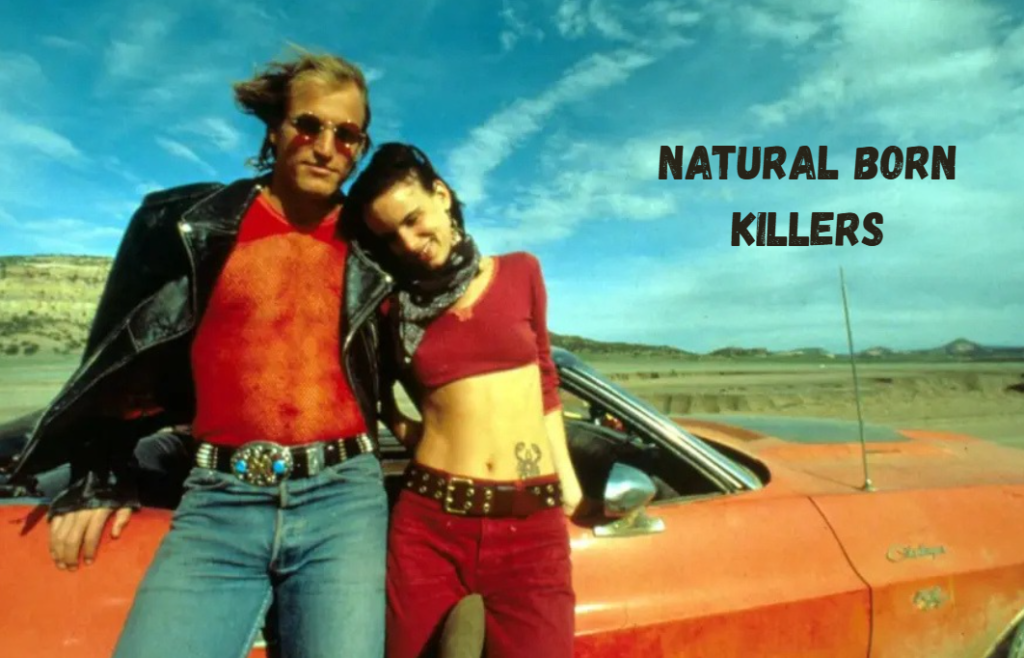
Jones portrayed Warden Dwight McClusky in Oliver Stone’s Natural Born Killers. The controversial crime film follows Mickey and Mallory Knox, played by Woody Harrelson and Juliette Lewis, as their violent crimes turn them into media celebrities. Jones plays the aggressive prison warden responsible for managing the notorious criminals. The film’s deliberately chaotic editing and satirical treatment of sensationalist media made it one of the most debated American films of the decade.
1994 — Blue Sky
In Blue Sky, Jones played Major Hank Marshall, a US Army engineer whose work and personal life are disrupted by the consequences of nuclear testing. Directed by Tony Richardson, the drama stars Jessica Lange as his wife, Carly, whose unpredictable behaviour complicates their family’s life. The story explores military secrecy, Cold War politics, and the cost of government decisions on ordinary people. Lange won the Academy Award for Best Actress, while the film demonstrated Jones’s strength in emotionally complicated dramatic roles.
1994 — Cobb
Jones portrayed baseball legend Ty Cobb in Cobb, a biographical drama directed by Ron Shelton. The film follows sportswriter Al Stump, played by Robert Wuhl, who is assigned to help Cobb prepare his autobiography. Rather than presenting a straightforward celebration of a sporting hero, the story examines Cobb’s abrasive personality, reputation for aggression, and complicated legacy. Jones’s intense performance is central to the film’s portrait of a celebrated athlete whose public achievements coexist with deeply troubling personal behaviour.
1995 — Batman Forever
Jones played Harvey Dent, who becomes the villain Two-Face, in Joel Schumacher’s superhero film Batman Forever. Val Kilmer stars as Bruce Wayne and Batman, while Jim Carrey plays the Riddler and Nicole Kidman portrays Dr Chase Meridian. Dent’s transformation into a criminal driven by chance and revenge makes him one of Batman’s principal adversaries. The film marked Jones’s entry into the expanding world of major comic-book adaptations.
1997 — Volcano
In Volcano, Jones played Mike Roark, the head of Los Angeles’s emergency management department. Directed by Mick Jackson, the disaster film imagines a volcanic eruption beneath the city that sends lava through streets, tunnels, and infrastructure. Roark leads the emergency response as officials struggle to evacuate residents and contain the threat. The film belongs to the wave of large-scale disaster movies popular in the late 1990s.
1997 — Men in Black
Jones became internationally recognisable as Agent K in Men in Black, Barry Sonnenfeld’s science-fiction action comedy. Will Smith plays Agent J, a New York police officer recruited into a secret organisation that monitors extraterrestrial activity on Earth. Jones’s deadpan delivery and controlled performance contrast with Smith’s energetic humour, forming the centre of the film’s comic partnership. Its commercial success and distinctive blend of aliens, action, and comedy launched a major franchise.
1998 — U.S. Marshals
Jones returned as Deputy U.S. Marshal Samuel Gerard in U.S. Marshals, directed by Stuart Baird. This follow-up to The Fugitive follows Gerard and his team as they pursue Mark Sheridan, a fugitive played by Wesley Snipes, after a prisoner transport accident. As the investigation unfolds, Gerard discovers that the apparent criminal may be connected to a larger conspiracy. The film gave Jones another leading role built around his acclaimed portrayal of a determined federal marshal.
1998 — Small Soldiers
In Joe Dante’s Small Soldiers, Jones provided the voice of Major Chip Hazard, the leader of a group of militarised toy soldiers. The science-fiction comedy follows action figures equipped with advanced technology that causes them to behave as though they are engaged in a real war. Jones’s commanding voice helps establish Chip Hazard as a rigid and intimidating leader. The role demonstrated his ability to make an animated character distinctive without appearing on screen.
1999 — Double Jeopardy
Jones played Travis Lehman in Bruce Beresford’s thriller Double Jeopardy. Ashley Judd stars as Libby Parsons, a woman convicted of murdering her husband who later discovers that he may still be alive. Lehman is the parole officer tasked with supervising her after her release, and he becomes increasingly involved in her pursuit of the truth. The film combines suspense with questions about justice, deception, and the limits of the legal system.
2000 — Rules of Engagement
In Rules of Engagement, Jones portrayed Colonel Hayes Hodges, a military lawyer and former Marine who defends a colleague facing a court-martial. Directed by William Friedkin, the drama stars Samuel L. Jackson as Colonel Terry Childers, who is accused of ordering troops to fire on civilians during a crisis in Yemen. Jones’s character must reconcile his personal loyalty with the demands of a complicated legal proceeding. The film examines military ethics, political pressure, and the difficulty of judging decisions made under extreme conditions.
2000 — Space Cowboys
Jones played William “Hawk” Hawkins in Space Cowboys, a science-fiction adventure directed by Clint Eastwood. The film follows four ageing former test pilots who are asked to help repair a failing Russian satellite in orbit. Eastwood, Jones, Donald Sutherland, and James Garner form the veteran team, bringing humour and personal history to the story. Its combination of space adventure and reflections on ageing distinguishes it from many other action films of the period.
2002 — Men in Black II
Jones reprised Agent K in Men in Black II, directed by Barry Sonnenfeld. After K’s memory is erased and he returns to civilian life, Agent J must find him and restore his memories to confront a new extraterrestrial threat. Will Smith returns as J, while Lara Flynn Boyle plays the alien antagonist Serleena. The sequel continues the original film’s mixture of science-fiction spectacle, visual comedy, and the contrasting personalities of its central agents.
2003 — The Hunted
In William Friedkin’s action thriller The Hunted, Jones played L. T. Bonham, a former military survival instructor. When a highly trained former soldier begins killing hunters in Oregon, Bonham is recruited to help track him down. Benicio del Toro plays Aaron Hallam, the troubled man at the centre of the pursuit. The film focuses on wilderness survival, psychological trauma, and the destructive effects of combat training.
2003 — The Missing
Jones starred as Samuel Jones in Ron Howard’s western The Missing. The story follows Maggie Gilkeson, played by Cate Blanchett, who must work with her estranged father to rescue her kidnapped daughter. Jones portrays a man whose return exposes a painful family history while providing essential knowledge of the frontier. The film combines a traditional western setting with a story about reconciliation, survival, and the dangers facing families in the American Southwest.
2005 — Man of the House
In Man of the House, Jones played Texas Ranger Lieutenant Roland Sharp, a lawman assigned to protect a group of college cheerleaders who witnessed a murder. Directed by Stephen Herek, the comedy pairs Jones with Christina Milian, Paula Garcés, Monica Keena, and Kelli Garner. Sharp struggles to maintain control as his protective assignment forces him into unfamiliar domestic and social situations. The film gives Jones a lighter role built around his stern screen persona.
2005 — The Three Burials of Melquiades Estrada

Jones directed and starred in The Three Burials of Melquiades Estrada, playing ranch foreman Pete Perkins. The neo-western follows Pete’s determination to honour his murdered friend, a Mexican ranch hand, by carrying his body across the border for burial in his homeland. Barry Pepper and Dwight Yoakam also appear in the film, which examines border politics, guilt, and human dignity. Jones’s work as director and lead actor earned substantial critical attention, and the screenplay won an award at the Cannes Film Festival.
2006 — A Prairie Home Companion
Jones appeared as the Axeman in Robert Altman’s A Prairie Home Companion, a comedy-drama set around the final broadcast of a long-running radio variety programme. The ensemble includes Meryl Streep, Lily Tomlin, Kevin Kline, and Woody Harrelson. Jones plays a businessman associated with the corporate interests surrounding the station’s uncertain future. The film blends backstage comedy, music, and reflections on endings, change, and the fading traditions of live radio.
2007 — In the Valley of Elah
Jones played Hank Deerfield, a retired military police investigator searching for his missing son, in In the Valley of Elah. Directed by Paul Haggis, the drama also stars Charlize Theron and Susan Sarandon. As Hank investigates the circumstances surrounding his son’s disappearance after returning from Iraq, he uncovers troubling details about military life and the effects of war. Jones’s restrained performance earned praise for conveying grief, discipline, and growing disillusionment.
2007 — No Country for Old Men
In Joel and Ethan Coen’s No Country for Old Men, Jones played Sheriff Ed Tom Bell, a veteran lawman confronting a wave of brutal violence in West Texas. The story follows a drug deal gone wrong, a suitcase of money, and the relentless pursuit carried out by Anton Chigurh, played by Javier Bardem. Jones’s character provides a reflective perspective on the violence unfolding around him, even as his ability to intervene becomes increasingly limited. The film won the Academy Award for Best Picture and is widely regarded as one of the most important films of the 2000s.
2008 — Harvard Beats Yale 29–29
Jones appeared as himself in Harvard Beats Yale 29–29, a documentary directed by Kevin Rafferty about the 1968 American football game between Harvard and Yale. The film combines archival footage with recollections from players and participants who experienced the match. Jones, a Harvard alumnus and former football player, contributes to the film’s personal and historical context. This is a documentary appearance rather than a conventional dramatic acting role.
2009 — In the Electric Mist
Jones starred as Louisiana detective Dave Robicheaux in In the Electric Mist, directed by Bertrand Tavernier. Based on James Lee Burke’s novel, the crime drama follows Robicheaux as he investigates a murder connected to a Hollywood film production and an old local crime. John Goodman and Peter Sarsgaard appear alongside Jones in a story steeped in Southern atmosphere and buried secrets. The role draws on his established strengths as a thoughtful, persistent investigator.
2010 — The Company Men
In John Wells’s drama The Company Men, Jones played Gene McClary, a senior executive at a major corporation undergoing severe downsizing. The story follows several employees, including characters played by Ben Affleck and Chris Cooper, as they face unemployment and reassess their identities. Gene’s position exposes the conflict between personal relationships, corporate decisions, and the human costs of financial restructuring. The film offers a grounded look at the economic pressures that followed the global financial crisis.
2011 — Captain America: The First Avenger
Jones portrayed Colonel Chester Phillips in Captain America: The First Avenger, directed by Joe Johnston. Set during the Second World War, the Marvel film follows Steve Rogers, played by Chris Evans, as he transforms from a physically frail recruit into the super-soldier Captain America. Phillips oversees the military programme and initially doubts Rogers’s suitability before recognising his value. Jones’s stern, pragmatic performance helps anchor the film’s wartime setting and introduces him to the Marvel Cinematic Universe.
2012 — Men in Black 3
Jones returned as Agent K in Men in Black 3, the third main instalment of the science-fiction comedy franchise. Directed by Barry Sonnenfeld, the film follows Agent J as he travels back to 1969 to prevent an alien criminal from changing history. Josh Brolin portrays a younger version of K, allowing the story to explore the character’s past while Jones appears in the present-day storyline. The film combines time travel, alien action, and the long-running partnership between K and J.
2012 — Hope Springs
In David Frankel’s romantic comedy-drama Hope Springs, Jones played Arnold Soames, a husband whose decades-long marriage has become emotionally distant. Meryl Streep stars as his wife, Kay, who persuades him to attend intensive couples therapy led by a counsellor played by Steve Carell. Jones portrays Arnold as reserved and uncomfortable with emotional conversations, making the couple’s attempts at reconnection central to the film. The performance showed a more intimate side of his acting, focusing on marital routine and the difficulty of expressing affection.
2012 — Lincoln
Jones played abolitionist congressman Thaddeus Stevens in Steven Spielberg’s historical drama Lincoln. Daniel Day-Lewis stars as President Abraham Lincoln during the final months of the American Civil War, when securing passage of the Thirteenth Amendment becomes a political priority. Stevens is a passionate opponent of slavery whose political strategy requires balancing his principles with the practical demands of congressional negotiations. Jones received an Academy Award nomination for Best Supporting Actor, and the film was praised for its detailed portrayal of American political history.
2012 — Emperor
In Peter Webber’s historical drama Emperor, Jones portrayed General Douglas MacArthur, the American commander overseeing Japan’s occupation after the Second World War. The story follows an investigation into whether Emperor Hirohito should face prosecution for Japan’s wartime actions. Matthew Fox plays General Bonner Fellers, who is assigned to assess the emperor’s responsibility and the political consequences of a possible trial. Jones’s performance brings authority to a film concerned with justice, diplomacy, and the difficult transition from war to peace.
2013 — The Family
Jones played FBI Special Agent Robert Stansfield in Luc Besson’s crime comedy The Family. The story follows a former mafia family hiding in France under witness protection, where their attempts to live ordinary lives repeatedly draw attention. Robert De Niro and Michelle Pfeiffer star as the parents, while Jones’s character is responsible for managing their protection and containing the consequences of their behaviour. The film blends crime, family comedy, and action.
2014 — The Homesman
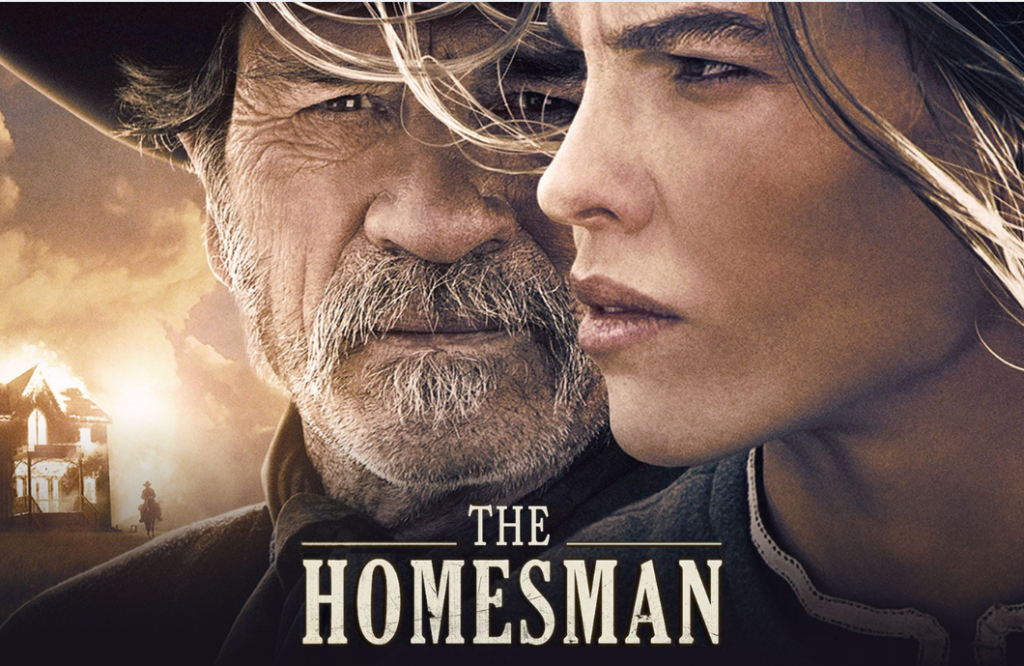
Jones directed, co-wrote, and starred in The Homesman, a western drama featuring him as George Briggs. Set in the American frontier, the story follows a woman played by Hilary Swank who agrees to transport three women suffering from severe psychological distress across dangerous territory. Briggs is a drifter whose survival depends on an uneasy partnership with her. The film examines hardship, isolation, and the limited choices available to women on the nineteenth-century frontier, and it further established Jones’s work behind the camera.
2016 — Criminal
In Criminal, Jones played Dr Micah Franks, a scientist involved in an experimental procedure intended to transfer the memories of a deceased CIA agent into another person’s brain. Directed by Ariel Vromen, the action thriller stars Kevin Costner as Jericho Stewart, a dangerous convict selected for the procedure. Gary Oldman, Ryan Reynolds, and Gal Gadot also appear in the film. Jones’s role connects the story’s science-fiction premise with its questions about identity, memory, and moral responsibility.
2016 — Jason Bourne
Jones portrayed CIA Director Robert Dewey in Jason Bourne, the fifth instalment of the main Bourne film series and the fourth to feature Matt Damon as the title character. Directed by Paul Greengrass, the action thriller follows Bourne as he uncovers further information about his past while evading intelligence operatives. Dewey represents the institutional power seeking to control the consequences of the agency’s secret programmes. Jones’s measured performance makes him a formidable opponent in the film’s world of surveillance, espionage, and political intrigue.
2016 — Mechanic: Resurrection
In Dennis Gansel’s action thriller Mechanic: Resurrection, Jones played Max Adams, a wealthy figure who becomes involved with professional assassin Arthur Bishop, portrayed by Jason Statham. Bishop is forced to carry out a series of seemingly impossible assassinations after someone threatens a woman he cares about. Jones brings dry humour and an eccentric edge to a supporting role within the film’s international action setting. The movie continues the Mechanic franchise’s emphasis on elaborate missions and high-risk stunts.
2017 — Shock and Awe
Jones portrayed journalist Joseph L. Galloway in Shock and Awe, a political drama directed by Rob Reiner. The film follows a group of Knight Ridder journalists investigating the US government’s claims about weapons of mass destruction in Iraq before the 2003 invasion. Woody Harrelson and James Marsden play reporters who question the official narrative despite political and professional pressure. Jones’s character represents the experienced journalistic perspective behind the film’s examination of reporting, accountability, and the lead-up to war.
2017 — Just Getting Started
In the comedy Just Getting Started, Jones played Leo McKay, a former FBI agent living at a luxury retirement community. Directed by Ron Shelton, the film also stars Morgan Freeman as a former lawyer whose arrival creates a rivalry with Leo. Their competition becomes more serious when a criminal threat emerges, forcing the two men to work together. The film uses the retirement setting to combine action, comedy, and a story about friendship later in life.
2018 — Always at the Carlyle
Jones appeared as himself in Always at the Carlyle, a documentary directed by Matthew Miele about New York City’s celebrated Carlyle Hotel. The film features interviews and stories from people associated with the hotel, including entertainers, staff, and guests. Rather than playing a fictional character, Jones contributes to the documentary’s portrait of a venue known for its history, discretion, and connections to prominent visitors. The appearance is a non-fiction credit within his wider screen career.
2019 — Ad Astra
Jones played H. Clifford McBride in James Gray’s science-fiction drama Ad Astra. Brad Pitt stars as Roy McBride, an astronaut sent on a mission across the solar system to investigate mysterious power surges that may be linked to his missing father. Jones portrays Clifford, a pioneering astronaut whose search for extraterrestrial life has had profound consequences for his family and mission. The film combines space exploration with an intimate story about estrangement, ambition, and the emotional cost of obsession.
2020 — Wander
In Wander, Jones portrayed Jimmy Cleats, a mysterious figure connected to a conspiracy investigated by a troubled private investigator. Directed by April Mullen, the thriller stars Aaron Eckhart as Arthur Bretnik, who becomes convinced that a murder may be part of a wider cover-up. Jones’s supporting role adds another layer to the film’s uncertain landscape of surveillance, suspicion, and unreliable perceptions. The story blends crime investigation with psychological thriller elements.
2020 — The Comeback Trail
Jones played Duke Montana, an ageing western-film star, in The Comeback Trail. Directed by George Gallo, the comedy follows two struggling producers, played by Robert De Niro and Zach Braff, who devise an insurance scheme involving their leading actor. Their plan becomes complicated as Montana proves harder to eliminate than expected. Jones brings a blend of old-Hollywood charm and comic stubbornness to a story built around film-industry desperation and increasingly absurd mishaps.
2023 — Finestkind
In Brian Helgeland’s crime drama Finestkind, Jones played Ray Eldridge, a veteran fisherman whose family becomes entangled in dangerous criminal activity. The film follows two half-brothers, played by Ben Foster and Toby Wallace, whose lives take a darker turn after a risky decision at sea. Jenna Ortega also stars as a young woman whose involvement complicates their situation. Jones’s role connects the film’s crime plot with its themes of family loyalty, economic pressure, and life in a working fishing community.
2023 — The Burial
Jones starred as Jeremiah O’Keefe in The Burial, a legal drama directed by Maggie Betts. Based on a real legal dispute, the film follows a Mississippi funeral-home owner who hires an unconventional lawyer, played by Jamie Foxx, to take on a powerful corporation. The case develops into a high-stakes courtroom battle involving business practices, racial inequality, and personal dignity. Jones’s understated performance gives the central dispute an emotional foundation, while the film highlights the consequences of standing up to a larger institution.
2026 — Angel and the Badman
Jones appeared as Marshal McClintock in Angel and the Badman, a western reimagining directed by Julio Quintana and released in October 2026. The film stars Zachary Levi as outlaw Quirt Evans, whose encounter with a compassionate rancher’s daughter forces him to reconsider his violent life. Jones plays the lawman involved in the conflict between the outlaw’s past and his chance at redemption. The production adds a contemporary western to a filmography that has frequently returned to questions of authority, justice, and personal responsibility.
Conclusion
Tommy Lee Jones’s film career reflects an unusual combination of intensity, versatility, and longevity. From his early appearances in Love Story and Coal Miner’s Daughter to award-winning performances in The Fugitive and Lincoln, he has consistently brought authority and depth to a wide range of characters. His work in Men in Black established him as an international star, while films such as No Country for Old Men, The Three Burials of Melquiades Estrada, and The Homesman demonstrated his dramatic range and filmmaking abilities. His later appearances, including The Burial and Angel and the Badman, extend a career that continues to encompass crime thrillers, westerns, historical dramas, and science fiction.
