

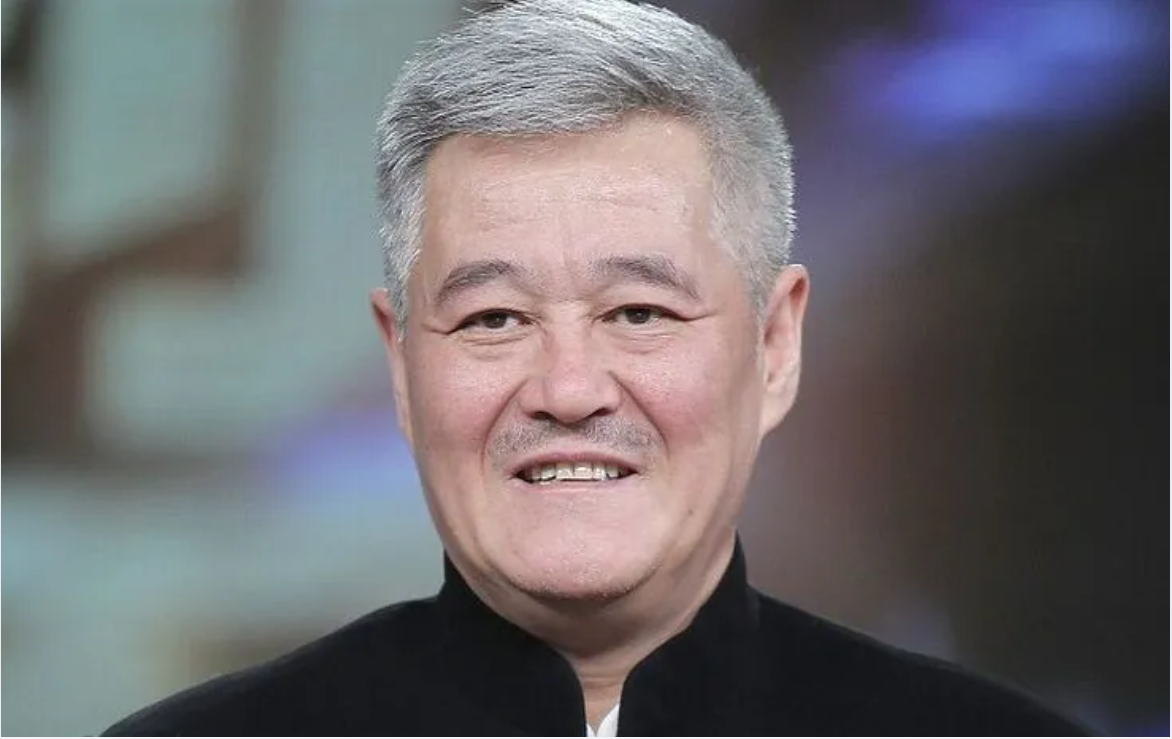
Zhao Benshan is one of China’s most recognizable comedy actors and performers, known for his work across film, television, stage comedy and Chinese New Year entertainment. He began appearing in movies in the late 1980s and gradually developed a screen career built around memorable everyday characters and distinctive comic performances. Over the years, he worked with several prominent Chinese directors, including Zhang Yimou, Zhang Yang and Wong Kar-wai. His filmography includes rural comedies, family dramas, historical productions, martial arts films and dark comedies. Although television and stage performances became major parts of his career, his movie roles remain an important part of his professional legacy. This complete list of Zhao Benshan movies by year follows his officially released feature-film appearances in chronological order.
1987 — Don’t Call Me Scar
Released in 1987, Don’t Call Me Scar was one of Zhao Benshan’s earliest known movie appearances. Directed by Zhang Hui, the rural drama featured Zhao in a supporting role as Song Fushun, the younger brother of one of the central characters. The film explores rural life, social reputation and the consequences of dishonesty. Zhao’s role was relatively small, but the movie is significant because it represents the beginning of his feature-film career.
1987 — The Foolish Wang Laoda
The Foolish Wang Laoda was another early 1987 film appearance for Zhao Benshan. The rural drama focuses on Wang Laoda, a hardworking and straightforward man whose experiences reflect the difficulties faced by ordinary people in rural China. Zhao was part of the supporting cast rather than the principal star. The film is nevertheless relevant to Zhao Benshan movies by year because it belongs to the early stage of his development as a screen performer.
1987 — Liberation
Released in 1987, Liberation is a workplace drama set around a large automobile manufacturing enterprise experiencing serious difficulties. Zhao Benshan appeared in the supporting cast, although detailed information about his character is limited in widely available English-language records. The movie focuses on factory workers, management problems and efforts to improve production. His appearance is another example of the small supporting roles that marked the beginning of his film career.
1990 — Whoever Comes Is a Guest
Whoever Comes Is a Guest, released in 1990, gave Zhao Benshan a more prominent role as Xiao Wangfa. The comedy follows a rural man who becomes involved in entertaining visiting officials, creating a series of humorous situations involving hospitality and social expectations. Zhao’s natural comic delivery suited the film’s everyday rural setting particularly well. The movie helped establish the type of relatable rural comedy that would become closely associated with his screen persona.
1990 — Two Swindlers
Released in 1990, Two Swindlers is a comedy in which Zhao Benshan plays one of two men attempting to make money through questionable and increasingly ridiculous business schemes. The story follows their attempts to operate a supposedly versatile company despite their lack of expertise. Zhao shares the film with several well-known Chinese comedy performers, contributing much of its humorous energy. The movie is an important early example of Zhao taking a central comic role.
1997 — Keep Cool
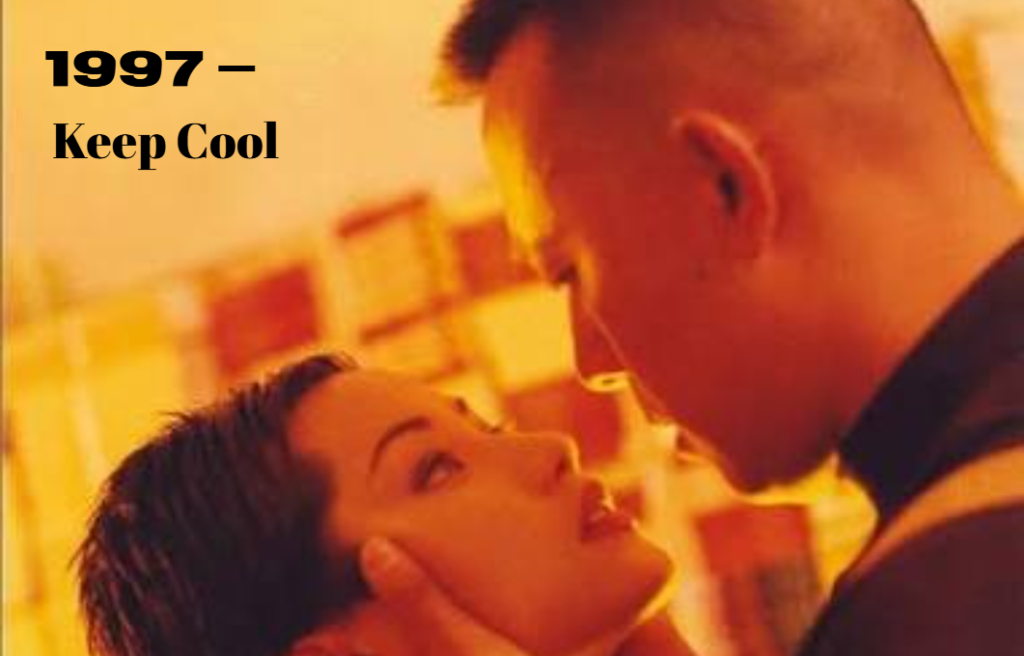
Zhang Yimou’s 1997 dark comedy Keep Cool features Zhao Benshan in a small supporting appearance as a junk peddler. The movie follows an increasingly chaotic dispute involving a frustrated man, his former girlfriend and a series of misunderstandings. Zhao’s appearance is brief and should therefore be regarded as a supporting or cameo-style performance rather than a leading role. The film is notable in his career because it marked an early collaboration with Zhang Yimou.
1999 — Male Sorority Director
Released in 1999, Male Sorority Director stars Zhao Benshan as Liu Yiben, a village man who unexpectedly becomes involved in responsibilities traditionally associated with female village leadership. The comedy uses his situation to explore rural administration, social expectations and the humorous consequences of exaggeration. Song Dandan co-stars with Zhao, creating a strong comic partnership that adds to the film’s appeal. It is one of the clearest examples of Zhao’s rural-comedy style becoming the central focus of a feature film.
1999 — The Emperor and the Assassin
The Emperor and the Assassin is a 1999 historical drama directed by Chen Kaige. Zhao Benshan plays Gao Jianli, a musician connected to the historical events surrounding Jing Ke’s attempted assassination of the King of Qin. The film features a major ensemble cast and combines political intrigue, historical drama and large-scale period filmmaking. Zhao’s appearance is particularly notable because it demonstrated his ability to take on a serious historical role outside his familiar comedy work.
2000 — Happy Times
Directed by Zhang Yimou, Happy Times was released in 2000 and became one of Zhao Benshan’s most internationally recognized films. Zhao plays an aging factory worker who hopes to marry and create a more stable life while struggling with loneliness and financial difficulties. The film blends gentle comedy and drama to explore companionship, poverty, dignity and human connection. Zhao’s restrained performance showed a more emotional side of his acting and remains one of the highlights of his movie career.
2006 — Getting Home
Getting Home was directed by Zhang Yang and features Zhao Benshan as Lao Zhao, a migrant worker who undertakes a difficult journey after the death of his friend. Determined to fulfil a promise, he attempts to transport his friend’s body back home while encountering a series of strangers and unexpected challenges. The movie combines road-movie elements, black comedy and emotional drama. Zhao’s performance balances humour with sadness and makes the film one of the most memorable dramatic roles in his filmography.
2007 — Congratulations for the New Year
Released around the Chinese New Year period, Congratulations for the New Year is a comedy featuring Zhao Benshan alongside other established Chinese performers. Zhao plays a middle-aged man whose romantic and social relationships become the source of a series of comic misunderstandings. The film focuses on community life, relationships and the festive atmosphere surrounding the New Year. It is representative of the seasonal comedy productions that became closely connected with Zhao’s popularity.
2007 — Dragon Crosses the Rat Year
Dragon Crosses the Rat Year is a Chinese comedy featuring Zhao Benshan and Fan Wei, one of his frequent creative collaborators. Zhao plays Zhang Yuefu in a story involving family relationships, misunderstandings and comic situations. The film was associated with the Chinese New Year entertainment season and benefited from the established chemistry between its leading performers. Its placement around 2007 and the following New Year period can vary between databases because of differences between production and holiday release dates.
2009 — A Woman, a Gun and a Noodle Shop
Directed by Zhang Yimou, A Woman, a Gun and a Noodle Shop is a stylized black comedy inspired by the Coen brothers’ Blood Simple. Zhao Benshan plays the Patrol Team Commander, a supporting character who becomes involved in the film’s complicated chain of deception, murder and betrayal. The cast also includes Sun Honglei, Ni Dahong and Xiao Shenyang. Zhao’s role is smaller than his leading comedy performances, but the film is notable because it reunited him with Zhang Yimou in a very different cinematic setting.
2010 — Kung Fu Shuffle
Released in 2010, Kung Fu Shuffle is a martial arts comedy starring Zhao Benshan, Xiao Shenyang and other popular Chinese performers. Zhao plays a comic character within a story that follows a young shoemaker who becomes involved in an exaggerated martial arts adventure. The film deliberately combines traditional martial arts elements with broad comedy and parody. Zhao’s appearance also highlights his professional relationship with Xiao Shenyang, who became one of the younger performers associated with Zhao’s comedy tradition.
2011 — The Founding of a Party
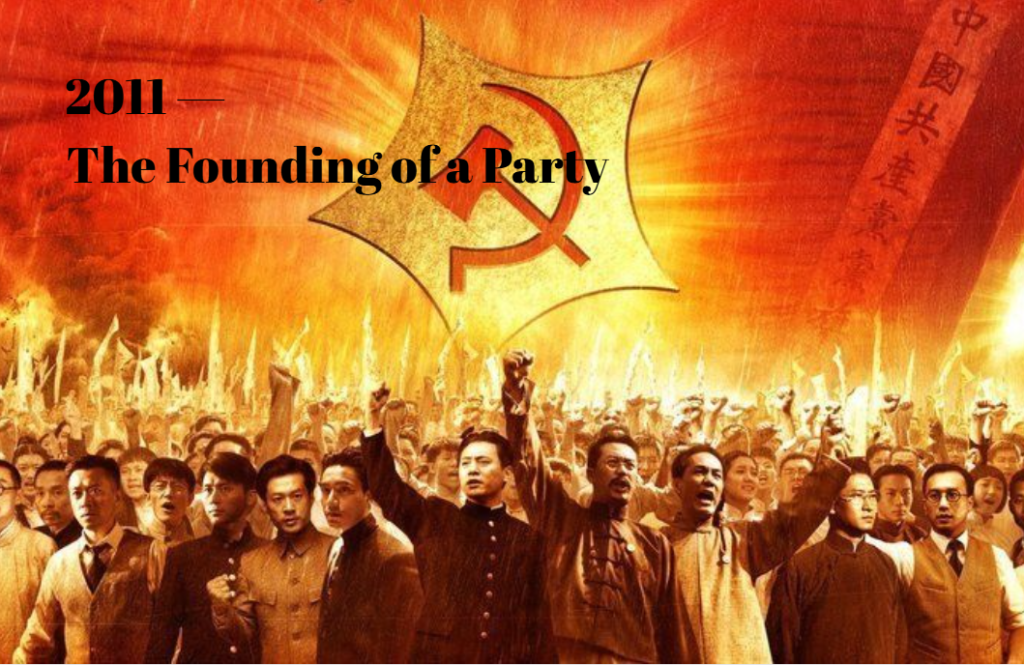
The Founding of a Party is a large-scale historical film released in 2011 and directed by Han Sanping and Huang Jianxin. Zhao Benshan portrays Duan Qirui, a significant political and military figure during the early Republican period in China. Unlike Zhao’s familiar comic characters, this performance belongs to a serious historical ensemble featuring numerous prominent Chinese actors. The movie gave him another opportunity to demonstrate his versatility in a major historical production.
2012 — The Lion Roars 2
Released in 2012, The Lion Roars 2 is a period romantic comedy featuring Zhao Benshan alongside Zhang Bozhi and Xiao Shenyang. Zhao plays an older character connected to the central romantic storyline, bringing his familiar comic timing into a historical setting. The movie mixes romance, comedy and action while drawing loosely on traditional Chinese historical imagery. Zhao’s performance provides an additional source of humour alongside the younger leads.
2013 — The Grandmaster
Wong Kar-wai’s The Grandmaster was released in 2013 and tells a fictionalized version of the life and martial arts journey of Ip Man. Zhao Benshan plays Ding Lianshan, a martial artist whose character contributes to the film’s exploration of martial arts traditions, rivalry and changing times. The cast includes Tony Leung Chiu-wai, Zhang Ziyi and Chang Chen. The movie is particularly notable within Zhao’s filmography because its highly stylized martial arts drama is far removed from the rural comedies that originally established his reputation.
2016 — The New Year’s Eve of Old Lee
The New Year’s Eve of Old Lee, released in 2016, features Zhao Benshan as Lao Li, a retired teacher dealing with family relationships and the challenges of bringing relatives together during the New Year. The comedy-drama examines generational differences, loneliness, family responsibilities and the changing nature of Chinese family life. Zhao’s performance combines his established comic ability with a more mature and emotionally reflective character. The film represents one of his later major feature-film acting appearances.
Zhao Benshan’s Movie Career
The Zhao Benshan movies by year timeline shows how his film career developed from small supporting roles in the late 1980s into leading performances and collaborations with some of China’s most respected filmmakers. His early work was strongly connected to rural comedy, while later films demonstrated his ability to move between comedy, drama, historical productions and martial arts cinema.
Films such as Happy Times and Getting Home remain especially important because they allowed Zhao to combine humour with more serious emotional themes. His collaborations with directors such as Zhang Yimou, Zhang Yang and Wong Kar-wai also expanded the range of his screen career. While his greatest fame came from television and stage comedy, his movie performances helped establish Zhao Benshan as one of China’s most distinctive and influential entertainers.
